


As a supplier of walking pallet stackers, I've had extensive experience with these versatile machines. They are indeed a valuable addition to many warehouses and industrial settings, offering flexibility and efficiency in material handling. However, like any piece of equipment, walking pallet stackers come with their own set of disadvantages. In this blog post, I'll delve into some of the key drawbacks that potential buyers should be aware of.
Limited Lifting Capacity
One of the most significant disadvantages of a walking pallet stacker is its relatively limited lifting capacity compared to larger forklifts. Most walking pallet stackers are designed to handle loads ranging from 1 to 2 tons. While this is sufficient for many small to medium - sized operations, it may not be adequate for industries that deal with heavy - duty loads on a regular basis. For example, in a steel manufacturing plant or a large - scale construction supply warehouse, the need to lift heavy steel beams or large quantities of building materials often requires equipment with a much higher lifting capacity.
If your business frequently deals with loads exceeding the capacity of a walking pallet stacker, you'll likely need to invest in additional, more powerful machinery. This not only adds to the overall equipment cost but also requires more space for storage and maintenance. For those looking for a higher - capacity option, our 1.5 Ton Electric Stacker Truck offers a bit more muscle, but it still has its limitations in extremely heavy - duty applications.
Restricted Lifting Height
Another drawback is the restricted lifting height. Walking pallet stackers typically have a maximum lifting height of around 3 to 6 meters. This can be a problem in warehouses with high - rack storage systems. In modern warehouses, maximizing vertical space is crucial for efficient storage, and high - rise racking systems are becoming increasingly common. If your warehouse has racks that are taller than the lifting height of a walking pallet stacker, you won't be able to fully utilize the available vertical space.
For instance, in a distribution center that stores products in multi - tiered racks reaching heights of 8 meters or more, a walking pallet stacker will not be able to access the upper levels. This may lead to inefficient use of storage space and require additional equipment, such as reach trucks or forklifts with higher lifting capabilities, to handle the products stored at greater heights. Our Electric Stacker Pallet Jack has a decent lifting height for many standard operations, but it may fall short in high - rise storage environments.
Operator Fatigue
Walking pallet stackers are designed to be operated while the operator walks alongside the machine. This can lead to operator fatigue, especially during long - shift operations. Unlike sit - down forklifts, where the operator can rest while the machine is in use, walking pallet stacker operators are constantly on their feet, pushing, pulling, and maneuvering the equipment.
Prolonged periods of walking and operating the stacker can cause physical strain on the operator's legs, back, and arms. Fatigue can not only reduce the operator's productivity but also increase the risk of accidents. An exhausted operator is more likely to make mistakes, such as misjudging distances or mishandling the controls, which can lead to damage to the goods, the stacker, or even injury to the operator or other workers in the area. To mitigate this issue, employers may need to implement regular break schedules, but this can also impact overall workflow efficiency.

Maneuverability in Tight Spaces
While walking pallet stackers are generally more maneuverable than larger forklifts, they still face limitations in extremely tight spaces. The size and shape of the stacker, along with the need for the operator to walk alongside it, can make it difficult to navigate in narrow aisles or congested areas.
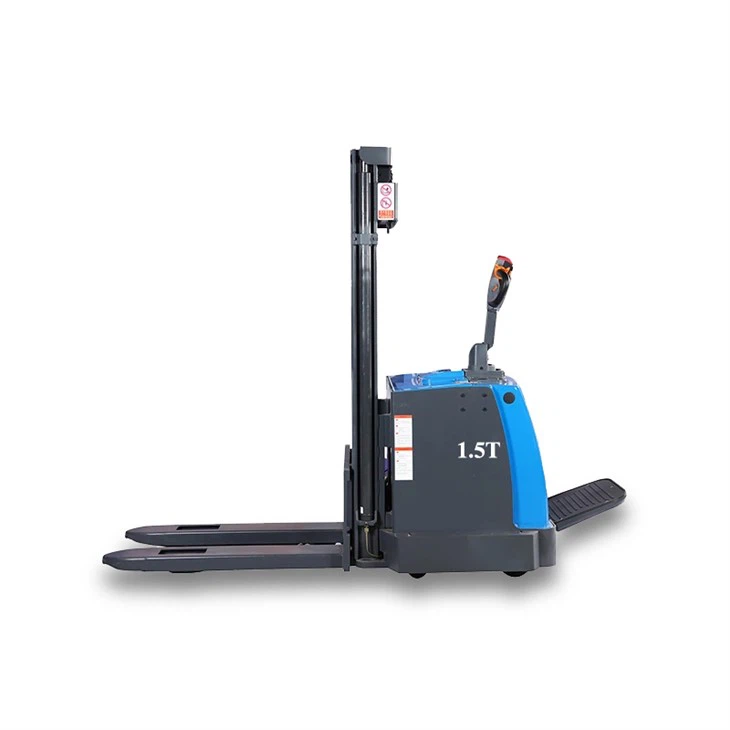
In a warehouse with narrow storage aisles, for example, the stacker may not be able to make sharp turns or move through tight passages easily. This can slow down the material handling process and require additional time and effort to position the stacker correctly. In some cases, it may even be necessary to reconfigure the warehouse layout to accommodate the stacker, which can be a costly and time - consuming process. Our Walkie Pallet Stacker is designed for good maneuverability, but it's still subject to these space - related constraints.
Maintenance Requirements
Walking pallet stackers, like all mechanical equipment, require regular maintenance to ensure optimal performance and longevity. Components such as the battery, hydraulic system, and wheels need to be inspected and serviced on a regular basis.
The battery, in particular, is a critical component that requires careful attention. If not properly maintained, the battery's lifespan can be significantly reduced, leading to increased replacement costs. Additionally, the hydraulic system needs to be checked for leaks and proper fluid levels, and the wheels need to be inspected for wear and tear.
Maintenance can be time - consuming and may require specialized knowledge and tools. If your business does not have an in - house maintenance team, you'll need to rely on external service providers, which can add to the overall operating cost. Moreover, during maintenance periods, the stacker will be out of service, which can disrupt your workflow and cause delays in material handling operations.
Safety Concerns
There are also several safety concerns associated with walking pallet stackers. Since the operator walks alongside the machine, there is a risk of being struck by the stacker or the load it is carrying. In busy warehouse environments, where there is a lot of foot traffic and other moving equipment, the chances of an accident are higher.
The visibility of the operator can also be an issue. When operating a walking pallet stacker, the operator's view may be obstructed by the load or the stacker itself, making it difficult to see potential hazards in the path. This can increase the risk of collisions with other equipment, racks, or pedestrians.
In addition, if the load is not properly secured on the stacker, there is a risk of it falling off during operation, which can cause damage to the goods and pose a serious safety threat to the operator and other workers. Adequate safety training and the use of safety equipment, such as personal protective gear and warning signs, are essential to minimize these risks, but they do not eliminate them completely.
Cost - Benefit Consideration
When considering the purchase of a walking pallet stacker, it's important to weigh the disadvantages against the benefits. While these stackers are generally more affordable than larger forklifts, the limitations in lifting capacity, height, and maneuverability may mean that they are not the most cost - effective solution for all businesses.
If your operation requires the ability to handle heavy loads at great heights or in extremely tight spaces, the cost of investing in additional equipment to supplement the walking pallet stacker may outweigh the initial savings. On the other hand, for small to medium - sized operations with relatively light loads and standard storage requirements, a walking pallet stacker can still be a viable and cost - effective option.
Conclusion
In conclusion, while walking pallet stackers offer many advantages in terms of flexibility and cost - effectiveness, they also come with several significant disadvantages. These include limited lifting capacity and height, operator fatigue, maneuverability issues in tight spaces, maintenance requirements, and safety concerns.
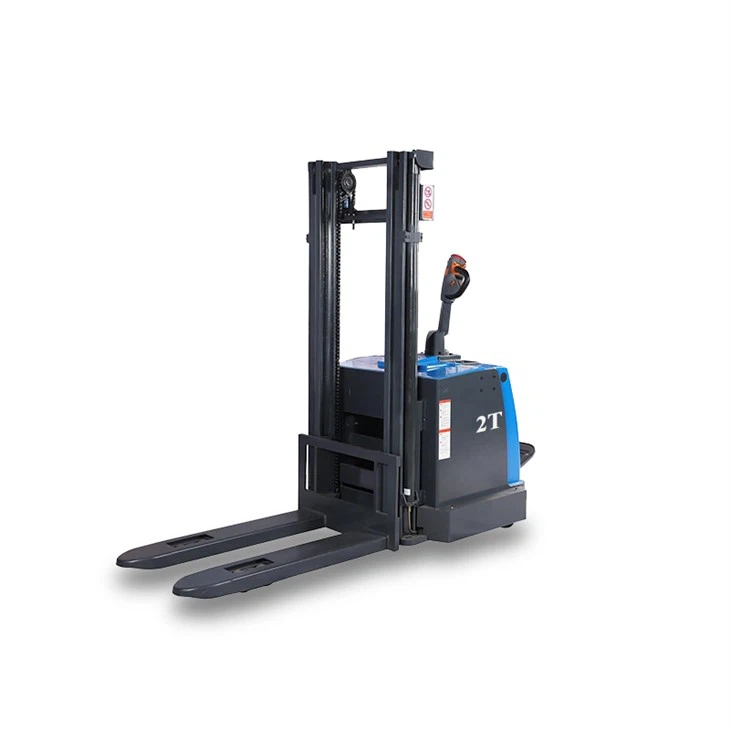
However, this doesn't mean that walking pallet stackers are not a suitable choice for your business. By carefully assessing your specific material handling needs, you can determine whether the benefits of a walking pallet stacker outweigh the drawbacks. If you're still unsure, or if you'd like to discuss your requirements in more detail, we're here to help. Our team of experts can provide you with personalized advice and recommend the most suitable equipment for your operation. Contact us to start a procurement discussion and find the best solution for your material handling needs.
References
- "Warehouse Material Handling Equipment: A Comprehensive Guide" by Industry Press
- "Safety Standards for Pallet Stackers" by Occupational Safety and Health Administration (OSHA)
- "Maintenance Best Practices for Electric Pallet Stackers" by Equipment Maintenance Journal