


Scalability is a crucial factor when it comes to logistics robot systems. As a supplier of Robots for Logistics, I've seen firsthand how important it is for businesses to have options that can grow with their needs. In this blog, I'll explore the various scalability options available for logistics robot systems and how they can benefit your operations.
Understanding Scalability in Logistics Robot Systems
Before we dive into the options, let's first understand what scalability means in the context of logistics robot systems. Scalability refers to the ability of a system to handle an increasing amount of work or adapt to changing requirements without significant performance degradation. In the world of logistics, this could mean handling more orders, expanding to new warehouses, or integrating with other systems.
Adding More Robots
One of the most straightforward ways to scale a logistics robot system is by adding more robots. This option is particularly useful when you're experiencing an increase in order volume or need to cover a larger area. For example, if you have a small warehouse and your business is growing, you can simply purchase additional robots to handle the extra workload.
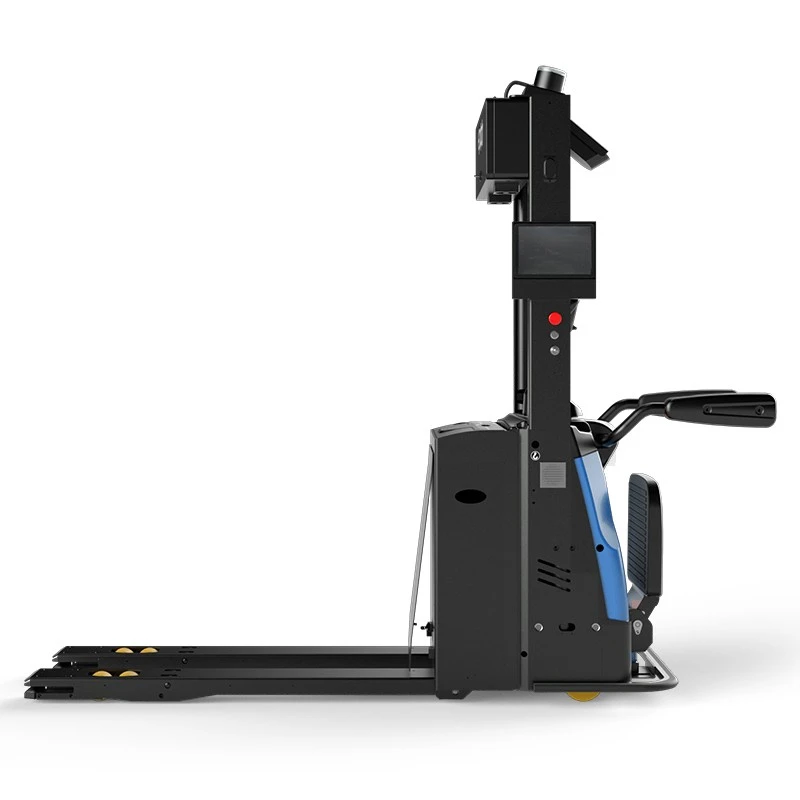
We offer a range of robots that can be easily integrated into your existing system. Our Walk - behind Automated Transport Vehicle is a great option for small - to - medium - sized operations. It's easy to operate and can be quickly deployed to assist with tasks such as moving goods from one location to another within the warehouse.
If you need a higher - speed solution, our High Speed Automated Transport Vehicle is designed to move quickly and efficiently, making it ideal for large - scale warehouses with high - volume throughput.
Upgrading Robot Capabilities
Another scalability option is to upgrade the capabilities of your existing robots. This could involve adding new features, improving the software, or enhancing the hardware. For instance, you can upgrade the sensors on your robots to make them more accurate in navigating through the warehouse, or you can update the software to allow for more complex tasks.
Our Multi - scenario Intelligent Robot is designed with upgradability in mind. It can be easily customized to meet your specific needs. Whether you want to add new picking functions or improve its obstacle - avoidance capabilities, our team can work with you to make the necessary upgrades.
Integrating with Other Systems
Scalability also involves the ability to integrate your logistics robot system with other systems in your supply chain. This could include your inventory management system, order processing system, or even your e - commerce platform. By integrating these systems, you can create a more seamless and efficient operation.
For example, when an order is placed on your e - commerce platform, the information can be automatically sent to your logistics robot system. The robots can then pick and pack the items and prepare them for shipping. This integration reduces manual intervention, minimizes errors, and improves overall efficiency.
Cloud - Based Management
Cloud - based management is another powerful scalability option. With a cloud - based system, you can manage your logistics robot fleet from anywhere in the world. You can monitor the performance of your robots, assign tasks, and make adjustments in real - time.
This is especially useful if you have multiple warehouses or if you plan to expand your operations globally. You can easily scale your system by adding new robots to different locations and manage them all through a single cloud - based platform.
Flexibility in Deployment
When considering scalability, it's important to choose a logistics robot system that offers flexibility in deployment. Our robots can be deployed in a variety of environments, including warehouses, distribution centers, and manufacturing facilities. They can operate in both indoor and outdoor settings, depending on your needs.
This flexibility allows you to scale your operations without being limited by the physical environment. Whether you're expanding to a new warehouse or setting up a temporary distribution center, our robots can be quickly and easily deployed to meet your requirements.
Cost - Effective Scalability
Scalability doesn't have to break the bank. We understand that cost is a major concern for businesses, especially when it comes to expanding their operations. That's why we offer cost - effective scalability options.
Adding more robots or upgrading their capabilities can be done in a phased manner, allowing you to spread out the cost over time. Additionally, our cloud - based management system reduces the need for expensive on - premise infrastructure, further lowering the overall cost of scalability.
The Importance of Support and Training
As you scale your logistics robot system, it's essential to have access to reliable support and training. Our team of experts is available to provide you with the necessary training to ensure that your staff can operate the robots effectively. We also offer ongoing support to address any issues that may arise during the scaling process.
Conclusion
In conclusion, there are several scalability options available for logistics robot systems. Whether you choose to add more robots, upgrade their capabilities, integrate with other systems, or use cloud - based management, the key is to find a solution that meets your specific needs and allows you to grow your business without sacrificing efficiency.

If you're interested in learning more about how our logistics robot systems can scale to meet your requirements, we'd love to hear from you. Contact us to start a conversation about your logistics needs and explore the best scalability options for your business.
References
- Logistics Automation Handbook: A Guide to Implementing Robotic Systems in Supply Chain Operations
- Research Papers on Scalability in Logistics and Robotics
- Industry Reports on the Future of Logistics Robot Systems