


Hey there! As a supplier of heavy duty excavators, I know how crucial it is to ensure that every part of these machines is in top - notch condition. One of the most important components that needs regular and thorough testing is the braking system. In this blog, I'm gonna walk you through how to test the brakes of a heavy duty excavator.
Pre - test Preparations
Before you even start testing the brakes, there are a few things you need to do. First off, you gotta check the brake fluid. Low brake fluid can seriously affect the performance of the brakes. Open the brake fluid reservoir and make sure the fluid level is within the recommended range. If it's low, top it up with the appropriate type of brake fluid as specified in the excavator's manual.
Next, take a good look at the brake lines. Look for any signs of leaks, like wet spots or puddles under the lines. Leaking brake lines can lead to a loss of hydraulic pressure, which means your brakes won't work as they should. If you spot any leaks, you'll need to repair or replace the affected brake lines before proceeding with the test.
Also, inspect the brake pads or shoes. Over time, these wear out. Check the thickness of the pads or shoes. If they're too thin, they won't be able to grip the brake rotors or drums effectively. Replace them if they're below the minimum recommended thickness.
Static Brake Tests
Once you've done all the pre - test checks, it's time to start the actual testing. The first set of tests are static tests. These are done with the excavator stationary.
Parking Brake Test
Engage the parking brake. Make sure it holds the excavator firmly in place on a flat surface. Try to rock the excavator gently back and forth. If the excavator moves even a little bit, there's a problem with the parking brake. It could be due to a loose cable, worn - out brake components, or a problem with the parking brake mechanism.
Service Brake Pedal Inspection
With the engine off, press the service brake pedal. It should feel firm. If it goes all the way to the floor or feels spongy, there's an issue. A spongy pedal could indicate air in the brake lines. You'll need to bleed the brakes to get rid of the air. If the pedal goes to the floor, it could be a sign of a major problem, like a brake line leak or a failed master cylinder.
Dynamic Brake Tests
After the static tests, it's time for the dynamic tests. These are done with the excavator in motion, but you gotta do them in a safe area, like an empty construction site or a large, flat, and traffic - free area.
Moving Brake Test
Start the excavator and drive it at a slow, steady speed, say around 5 - 10 miles per hour. Then, press the service brake pedal firmly. The excavator should come to a smooth stop without pulling to one side. If it pulls to the left or right, it could mean that the brakes on one side are working better than the other. This could be due to uneven brake pad wear, a problem with the brake calipers, or a hydraulic issue.
Brake Fade Test
This test is a bit more advanced. Drive the excavator at a moderate speed and then start applying the brakes repeatedly. For example, you can brake hard, then release, and do this a few times in a row. After a few cycles, check the braking performance. If the brakes seem to be less effective, it could be a sign of brake fade. Brake fade happens when the brakes get too hot, and the friction materials lose their ability to grip. This can be a serious safety issue, especially if you're working on steep slopes or doing a lot of heavy - duty braking.
Testing the Hydraulic Braking System
Most heavy duty excavators use hydraulic brakes. To test the hydraulic system, you'll need some specialized tools, like a pressure gauge.
Pressure Testing
First, connect the pressure gauge to the hydraulic brake system at the appropriate port. Start the engine and operate the brakes. Check the pressure readings on the gauge. The pressure should be within the range specified in the excavator's manual. If the pressure is too low, it could be due to a leak in the hydraulic system, a worn - out hydraulic pump, or a problem with the brake valves. If the pressure is too high, it could damage the brake components.
Flow Testing
You can also do a flow test on the hydraulic brake system. This helps to ensure that the right amount of hydraulic fluid is flowing to the brakes when you apply them. Use a flow meter to measure the fluid flow. If the flow is too low, it could be due to a clogged filter or a restricted brake line.

Testing the Electronic Brake Systems
Some modern heavy duty excavators come with electronic brake systems. These systems use sensors and electronic controls to improve braking performance.
Sensor Checks
Check the sensors associated with the electronic brake system. These sensors monitor things like wheel speed, brake pedal position, and hydraulic pressure. Use a diagnostic tool to check if the sensors are working properly. If a sensor is faulty, it can send incorrect signals to the electronic control unit (ECU), which can lead to improper braking.
ECU Functionality
The ECU is the brain of the electronic brake system. Use a diagnostic scanner to check the ECU for any error codes. If there are error codes, it means there's a problem with the ECU or one of the components it controls. You'll need to troubleshoot and repair the issue based on the specific error code.
Conclusion
Testing the brakes of a heavy duty excavator is a multi - step process that requires careful attention to detail. By following these steps, you can ensure that your excavator's brakes are in good working condition, which is essential for the safety of your operators and the efficiency of your operations.
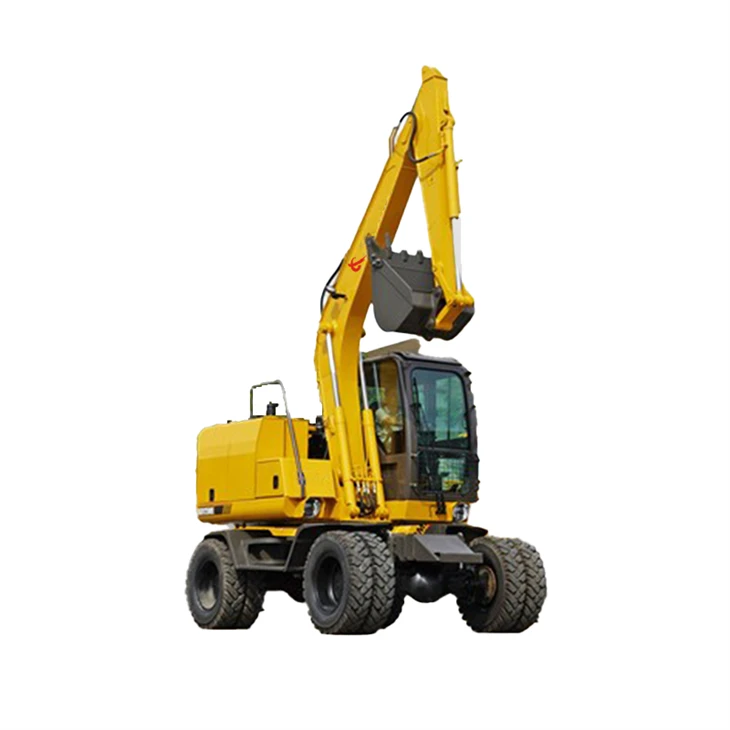
If you're in the market for a new heavy duty excavator, we've got a great range of options. Check out our 4 Wheel Excavator, Small Wheeled Excavator, and Wheel Excavator Digger. We're always here to help you find the right machine for your needs. If you have any questions or are interested in purchasing, don't hesitate to reach out and start a procurement discussion.
References
- Manufacturer's manuals for heavy duty excavators
- Industry standards for heavy equipment maintenance and safety