


Hey there! As a supplier of walking pallet stackers, I've seen firsthand how these nifty machines can make a huge difference in warehouses and storage facilities. But like any piece of equipment, their effectiveness really depends on how well you use them. So, let's chat about how to improve the efficiency of using a walking pallet stacker.
1. Pre - operation Checks
Before you even start using the walking pallet stacker, a quick check can save you a ton of time and headaches later. First off, look at the battery. If it's an electric stacker, a fully charged battery is key. You don't want to be in the middle of a big job and have the stacker die on you. Also, check the tires. Worn - out or flat tires can make the stacker hard to maneuver, which slows you down.
Take a look at the forks too. Make sure they're not bent or damaged. Bent forks can cause pallets to shift during lifting, which is not only dangerous but also inefficient. And don't forget about the controls. Test all the buttons and levers to ensure they're working properly. A faulty control can lead to inaccurate lifting or dropping of pallets, wasting your time as you try to correct it.
2. Proper Training
You might think that operating a walking pallet stacker is a piece of cake, but proper training is crucial. I've seen many workers try to wing it, and it usually ends up with slower operations and more mistakes. A well - trained operator knows how to handle the stacker smoothly, which means faster loading and unloading times.
Training should cover everything from basic controls to advanced maneuvers. For example, operators should learn how to position the stacker correctly in front of a pallet. This might seem like a small thing, but if the stacker isn't lined up properly, it can take extra time to adjust the forks and lift the pallet. Also, training on weight limits is essential. Overloading the stacker can damage it and slow down operations as you have to deal with potential breakdowns.
3. Organize Your Workspace
A cluttered workspace is the enemy of efficiency. When using a walking pallet stacker, having a well - organized warehouse or storage area can make a world of difference. First, create clear aisles for the stacker to move through. Narrow or blocked aisles force the operator to slow down and make awkward turns, which eats up time.
Label your storage areas clearly. This way, the operator can quickly find where to put or pick up pallets. You can use color - coded labels or numbering systems. For instance, if you have different product categories, each category can have its own color label. This makes it easy for the operator to identify the correct storage location at a glance.
Another tip is to group similar products together. If you're constantly moving pallets of the same product, it's more efficient to have them stored in the same area. This reduces the distance the stacker has to travel between pick - up and drop - off points.
4. Maintenance
Regular maintenance is a must if you want to keep your walking pallet stacker running at peak efficiency. Just like a car, if you don't take care of it, it will start to break down and perform poorly. Make sure to follow the manufacturer's maintenance schedule. This usually includes tasks like checking the hydraulic fluid levels, lubricating moving parts, and inspecting the electrical system (if it's an electric stacker).
A well - maintained stacker has fewer breakdowns. And when you don't have to deal with unexpected repairs, you can keep your operations running smoothly. For example, if the hydraulic system isn't properly maintained, it might start to leak fluid. This not only affects the lifting power of the stacker but also requires time to fix.
5. Use the Right Equipment for the Job
Not all walking pallet stackers are created equal. Depending on your specific needs, you might need a different type of stacker. For example, if you're working in a small space with narrow aisles, a Walk Behind Pallet Stacker might be the best choice. It's more maneuverable and can fit into tight spaces.
On the other hand, if you need to lift heavier loads, an Electric Stacker Truck Economical could be more suitable. Using the wrong equipment can lead to inefficiencies. For instance, if you're trying to lift a heavy pallet with a stacker that's not designed for it, you'll struggle to get the job done, and it might even damage the stacker.
6. Plan Your Routes
When using a walking pallet stacker, planning your routes in advance can save a lot of time. Before you start moving pallets, take a few minutes to map out the most efficient path. Consider factors like the location of the pallets, the storage areas, and any obstacles in the way.

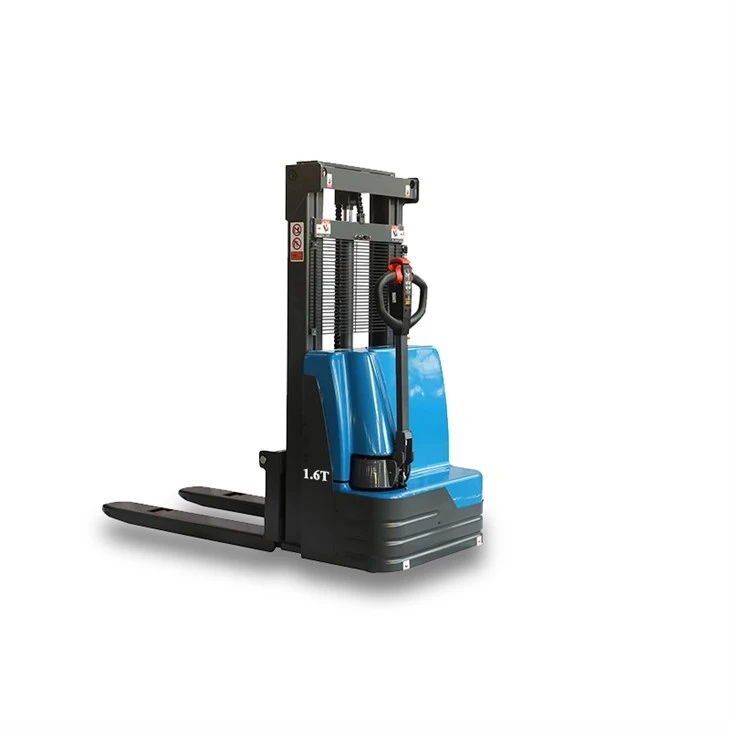
For example, if you have multiple pallets to pick up from different areas, plan your route so that you can pick them up in the most logical order. This way, you're not backtracking or making unnecessary detours. You can also use software or apps to help you plan your routes, especially if you have a large and complex warehouse.
7. Upgrade Your Equipment
If your walking pallet stacker is old and outdated, it might be time to consider an upgrade. Newer models often come with advanced features that can improve efficiency. For example, some modern stackers have better battery technology, which means longer run times between charges. Others have improved controls that are more responsive and easier to use.
The 1 Ton Double Column Mini Electric Stacker Truck is a great example of an upgraded stacker. It's designed to be more efficient, with features like faster lifting speeds and better stability. Upgrading your equipment can give your operations a significant boost in efficiency.
Conclusion
Improving the efficiency of using a walking pallet stacker is all about a combination of proper pre - operation checks, training, workspace organization, maintenance, using the right equipment, route planning, and considering upgrades. By following these tips, you can make your warehouse or storage operations run more smoothly and save time and money in the long run.
If you're interested in learning more about our walking pallet stackers or want to discuss how we can help improve your operations, feel free to reach out. We're always here to assist you with any questions or to start a procurement discussion.
References
- Forklift and Material Handling Equipment Handbook
- Warehouse Operations Best Practices Guide