


Ensuring the availability of spare parts for replacement forklifts is a critical aspect of maintaining a seamless operation in various industries that rely on these versatile machines. As a supplier of forklift replacement parts, I understand the challenges and importance of having a well - structured strategy to guarantee that the necessary parts are always on hand when needed.
Understanding the Forklift Ecosystem
Forklifts are complex pieces of equipment, with numerous components working in harmony. From the engine and transmission to the mast and forks, each part plays a vital role in the overall functionality of the forklift. To ensure spare parts availability, it is essential to have a deep understanding of the different types of forklifts in the market, their common failure points, and the frequency of part replacements.
There are several types of forklifts, including electric, diesel, and propane - powered models. Each type has its own set of unique parts and maintenance requirements. For example, electric forklifts rely heavily on battery systems and electric motors, while diesel forklifts have components such as fuel injectors and exhaust systems. By categorizing the forklifts based on their power source, usage environment, and load - capacity, we can better anticipate the demand for specific spare parts.
Building a Comprehensive Inventory
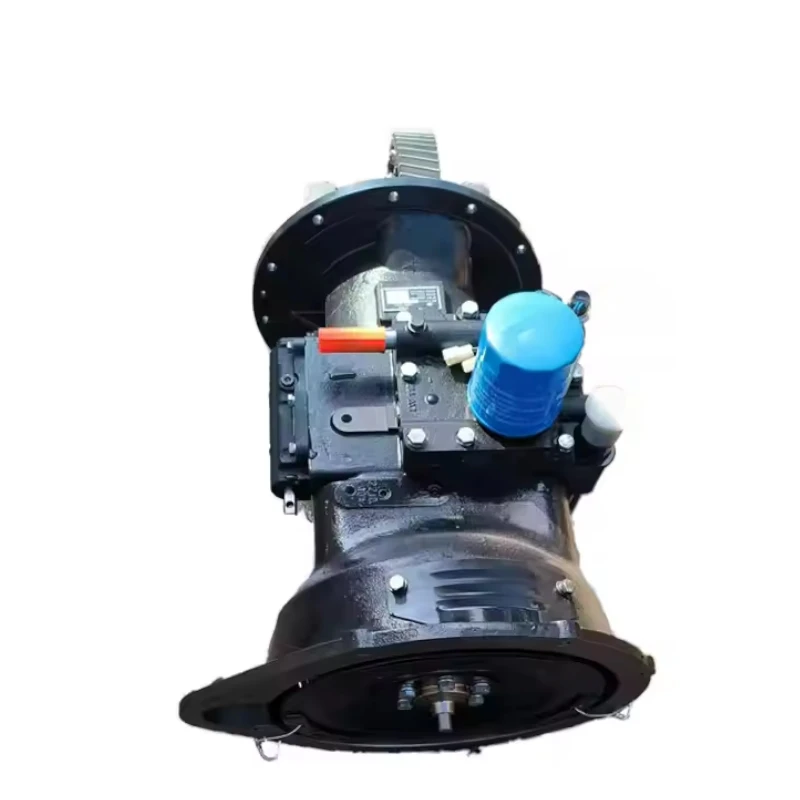
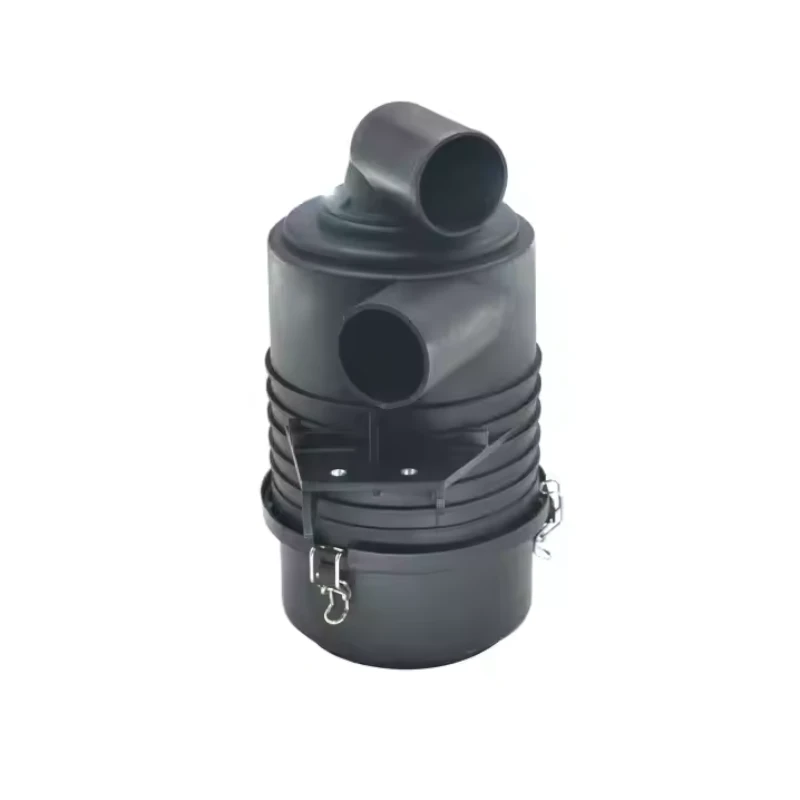
One of the primary steps in ensuring spare parts availability is to build a comprehensive inventory. This involves identifying the most critical and commonly replaced parts for different forklift models. Some of the key components that should be part of the inventory include Main Reducer, Hydraulic Transmission Gearbox, and Forklift Air Filter Assembly.
To determine the appropriate inventory levels, historical data analysis is crucial. By reviewing past sales records, we can identify trends in part replacements, such as seasonal variations or patterns related to specific forklift models. Additionally, we can use predictive analytics to forecast future demand based on factors like the age of the forklift fleet, usage intensity, and industry growth projections.
However, maintaining a large inventory comes with its own challenges, such as storage costs and the risk of obsolete parts. To mitigate these issues, we can implement a just - in - time (JIT) inventory management system. This system involves ordering parts from suppliers only when they are needed, reducing the need for excessive storage space and minimizing the risk of holding obsolete inventory. At the same time, we need to establish strong relationships with reliable suppliers to ensure quick delivery times.
Supplier Relationships
Developing strong relationships with suppliers is another key factor in ensuring spare parts availability. We should partner with suppliers who have a proven track record of quality, reliability, and timely delivery. By working closely with suppliers, we can negotiate favorable terms, such as volume discounts, flexible payment schedules, and priority access to new parts.
Regular communication with suppliers is essential. We should keep them informed about our inventory levels, upcoming orders, and any changes in demand. In return, suppliers can provide us with information about new product releases, potential supply chain disruptions, and cost - saving opportunities.
In addition to traditional suppliers, we can also explore partnerships with original equipment manufacturers (OEMs). OEMs have in - depth knowledge of their forklift models and can provide high - quality, genuine parts. While OEM parts may be more expensive than aftermarket parts, they often offer better performance and reliability, which can reduce the total cost of ownership in the long run.
Quality Control
Ensuring the quality of spare parts is of utmost importance. Low - quality parts can lead to frequent breakdowns, increased maintenance costs, and safety hazards. As a supplier, we have a responsibility to source parts from reputable manufacturers and conduct rigorous quality control checks.
Before adding a new part to our inventory, we should thoroughly test it to ensure that it meets the required specifications. This can involve physical inspections, performance testing, and compatibility checks with different forklift models. We should also require suppliers to provide certificates of conformity and quality assurance documentation.
In addition to pre - purchase quality control, we should also have a system in place for handling customer complaints and returns. If a customer reports a problem with a part, we should investigate the issue promptly and take appropriate action, such as replacing the part or providing a refund.
Training and Support
Providing training and support to our customers is an important aspect of ensuring spare parts availability. Many forklift operators and maintenance technicians may not be familiar with the latest parts and replacement procedures. By offering training programs, we can help them improve their skills and knowledge, which can lead to more efficient part replacements and reduced downtime.
Our training programs can cover a wide range of topics, such as part identification, installation procedures, and troubleshooting techniques. We can offer these programs in - person at our facilities or online, depending on the customer's preferences.
In addition to training, we should also provide ongoing support to our customers. This can include technical assistance over the phone or email, as well as on - site support for complex repairs. By being available to answer questions and provide guidance, we can help our customers make the most of our spare parts and keep their forklifts running smoothly.
Monitoring and Continuous Improvement
Finally, we need to continuously monitor our spare parts availability strategy and make improvements as needed. This involves tracking key performance indicators (KPIs) such as inventory turnover rate, fill rate, and customer satisfaction. By analyzing these KPIs, we can identify areas for improvement and take corrective actions.
For example, if we notice a low fill rate for a particular part, we may need to adjust our inventory levels or find a new supplier. If customer satisfaction is low, we may need to improve our training programs or customer support services.
In conclusion, ensuring the availability of spare parts for replacement forklifts requires a comprehensive approach that includes building a comprehensive inventory, developing strong supplier relationships, implementing quality control measures, providing training and support, and continuously monitoring and improving our processes. By taking these steps, we can ensure that our customers have access to the parts they need when they need them, minimizing downtime and maximizing the efficiency of their forklift operations.
If you are in need of high - quality forklift replacement parts, we are here to help. Our team of experts can assist you in finding the right parts for your specific forklift models and provide you with the support you need to keep your equipment running smoothly. Contact us today to start a procurement discussion and experience the difference of working with a reliable forklift replacement parts supplier.
References
- "Forklift Maintenance and Repair Handbook" by John Doe
- "Inventory Management: Principles and Practices" by Jane Smith
- Industry reports from leading forklift associations and research firms.