


Hey there! As a supplier of Wheel Excavator Digger, I get asked a lot about how often the filters in these machines should be changed. It's a crucial question because proper filter maintenance can significantly impact the performance, longevity, and efficiency of your wheel excavator digger. So, let's dive right into it.
Why Filter Changes Matter
First off, let's understand why changing filters is so important. Filters in a wheel excavator digger play a vital role in keeping the engine, hydraulic system, and other components clean and functioning properly. They trap dirt, debris, and contaminants that could otherwise cause serious damage to the machine.
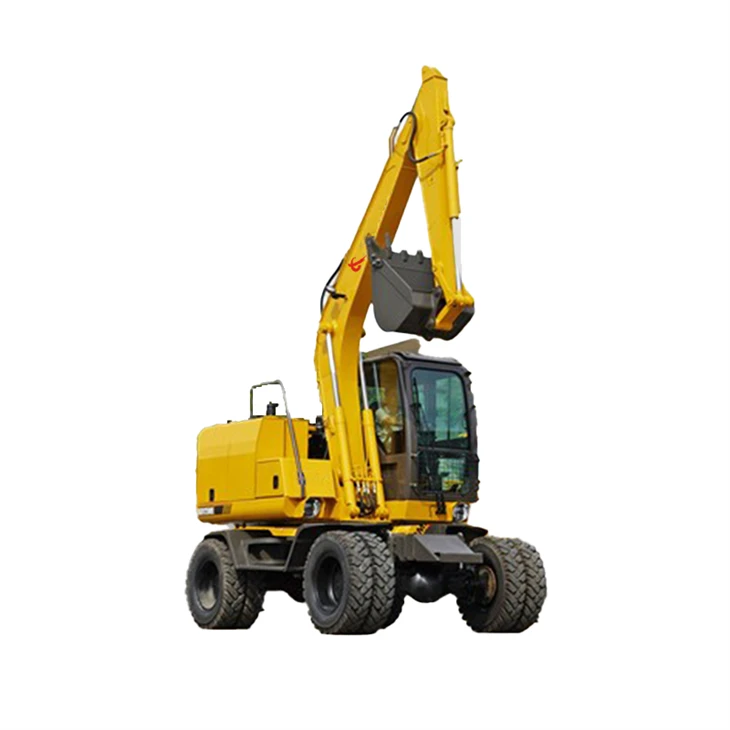

For example, the air filter prevents dust and dirt from entering the engine. If the air filter gets clogged, the engine won't get enough air, which can lead to reduced power, poor fuel efficiency, and even engine damage over time. Similarly, the fuel filter ensures that only clean fuel reaches the engine, preventing fuel injectors from clogging and maintaining smooth engine operation.
The hydraulic filter is also essential for the hydraulic system. It removes contaminants from the hydraulic fluid, which helps prevent wear and tear on hydraulic components like pumps, valves, and cylinders. A dirty hydraulic filter can lead to decreased hydraulic performance, increased heat generation, and potential system failures.
Factors Affecting Filter Change Intervals
Now, there's no one-size-fits-all answer to how often the filters should be changed. Several factors come into play, and it's important to consider them all to determine the optimal filter change schedule for your wheel excavator digger.
Operating Conditions
The environment in which the wheel excavator digger operates has a significant impact on filter life. If the machine is working in a dusty or dirty environment, such as a construction site with a lot of loose soil or a quarry, the filters will get dirty faster and need to be changed more frequently. On the other hand, if the machine is used in a relatively clean environment, the filter change intervals can be longer.
For instance, in a dusty construction site, the air filter might need to be changed every 250 - 500 operating hours, while in a cleaner environment, it could last up to 1000 operating hours. The same goes for the fuel and hydraulic filters. In a dirty environment, the fuel filter might need to be changed every 500 - 750 hours, and the hydraulic filter every 1000 - 1500 hours. In a cleaner environment, these intervals could be extended by 50% or more.
Machine Usage
How often and how intensively the wheel excavator digger is used also affects filter life. If the machine is used for long hours every day, the filters will accumulate dirt and contaminants more quickly than if it's used only occasionally. Additionally, heavy-duty operations, such as continuous digging or lifting heavy loads, can put more stress on the machine and its filters, requiring more frequent filter changes.
For example, a wheel excavator digger that operates 8 - 10 hours a day, five days a week, will likely need its filters changed more often than one that is used only a few hours a week. Similarly, a Heavy Duty Excavator that is constantly performing demanding tasks will require more frequent filter maintenance compared to a machine used for lighter applications.
Filter Quality
The quality of the filters you use also matters. High-quality filters are designed to trap more contaminants and last longer than low-quality ones. While they might cost a bit more upfront, they can save you money in the long run by reducing the frequency of filter changes and preventing damage to your machine.
When choosing filters for your wheel excavator digger, make sure to use filters that are recommended by the manufacturer. These filters are specifically designed to meet the requirements of your machine and provide optimal performance.
General Guidelines for Filter Changes
Based on the factors mentioned above, here are some general guidelines for filter change intervals in a wheel excavator digger:
Air Filter
- Light to Moderate Use in Clean Environment: Change the air filter every 1000 - 1500 operating hours.
- Heavy Use or Dusty Environment: Change the air filter every 250 - 500 operating hours.
It's also a good idea to visually inspect the air filter regularly and clean it if possible. If the filter is severely dirty or damaged, it should be replaced immediately.
Fuel Filter
- Light to Moderate Use: Change the fuel filter every 1000 - 1500 operating hours.
- Heavy Use or Poor Fuel Quality: Change the fuel filter every 500 - 750 operating hours.
Some modern wheel excavator diggers have a fuel filter warning light that indicates when the filter needs to be changed. Pay attention to these warnings and follow the manufacturer's recommendations.
Hydraulic Filter
- Light to Moderate Use: Change the hydraulic filter every 1500 - 2000 operating hours.
- Heavy Use or Contaminated Hydraulic Fluid: Change the hydraulic filter every 1000 - 1500 operating hours.
Regularly check the hydraulic fluid level and condition. If the fluid appears dirty or has a strange odor, it might be a sign that the hydraulic filter needs to be changed.
Importance of Following Manufacturer's Recommendations
The manufacturer of your wheel excavator digger provides specific filter change intervals in the owner's manual. These recommendations are based on extensive testing and are designed to ensure the optimal performance and reliability of your machine.
It's crucial to follow these recommendations as closely as possible. Ignoring the manufacturer's guidelines can void your warranty and lead to premature wear and tear on your machine. If you're unsure about the filter change intervals for your specific model, don't hesitate to contact the manufacturer or your local dealer for advice.
Tips for Filter Maintenance
Here are some additional tips to help you maintain the filters in your wheel excavator digger:
- Keep Records: Keep a record of when the filters were last changed. This will help you track the filter change intervals and ensure that you don't miss any maintenance schedules.
- Use the Right Tools: When changing the filters, use the appropriate tools to ensure a proper fit and prevent leaks.
- Inspect the Filters: Before installing a new filter, inspect it for any damage or defects. Make sure it's the correct filter for your machine.
- Dispose of Old Filters Properly: Old filters can contain contaminants and should be disposed of properly. Check with your local waste management facility for guidelines on how to dispose of used filters.
Conclusion
In conclusion, the frequency of filter changes in a wheel excavator digger depends on several factors, including operating conditions, machine usage, and filter quality. By considering these factors and following the manufacturer's recommendations, you can ensure that your machine's filters are changed at the right time, which will help maintain its performance, reliability, and longevity.
If you're in the market for a Wheel Excavator Digger or need more information about filter maintenance, feel free to reach out to us. We're here to help you make the right choices and keep your machine running smoothly. Whether you're looking for a 4 Wheel Excavator for a specific job or a heavy-duty machine for more demanding applications, we have a wide range of options to meet your needs.
References
- Manufacturer's Owner's Manuals for Wheel Excavator Diggers
- Industry Best Practices for Construction Equipment Maintenance