


Hey there! As a supplier of Robots for Logistics, I've been getting a lot of questions lately about the regulatory requirements for using these nifty machines. So, I thought I'd put together this blog post to break it all down for you.
First off, let's talk about why regulations matter. Logistics robots, like the ones we offer at Robots for Logistics, are designed to make your operations more efficient, but they also need to be used safely. Regulations ensure that these robots are built, installed, and operated in a way that protects both people and property.
Safety Standards
One of the most important aspects of regulatory requirements is safety. There are a bunch of international and national standards that logistics robots need to comply with. For example, in the United States, the Occupational Safety and Health Administration (OSHA) has rules in place to protect workers from hazards associated with industrial robots. These rules cover things like guarding, safety interlocks, and emergency stop buttons.
In Europe, the Machinery Directive sets out the essential health and safety requirements for machinery, including logistics robots. This directive requires that robots be designed and constructed to minimize risks to operators and other people in the vicinity. It also mandates that robots come with appropriate safety devices and warning signs.
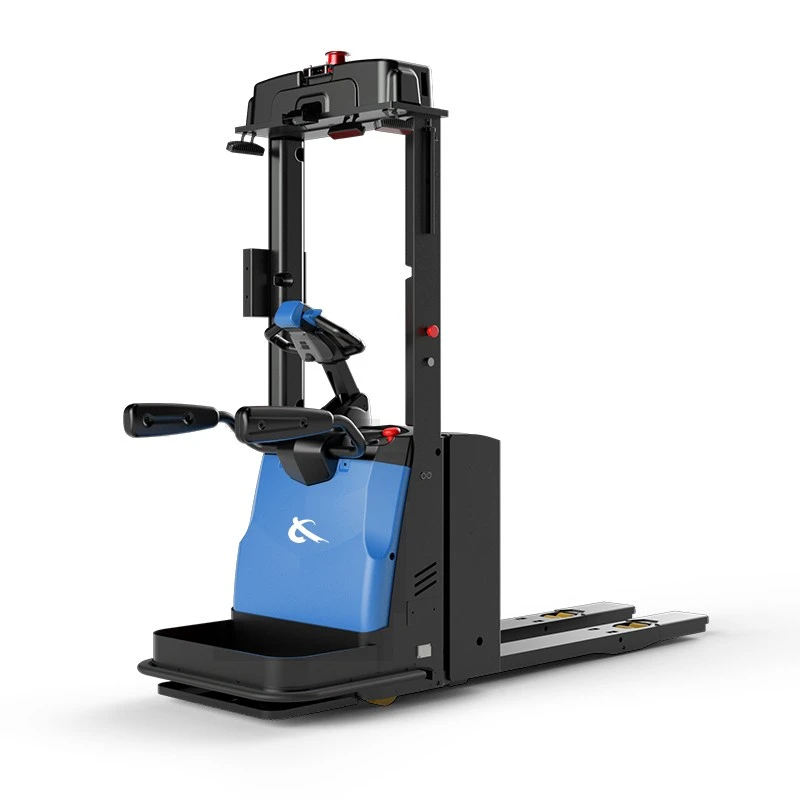
When it comes to our Walk - behind Automated Transport Vehicle, we make sure it meets all the relevant safety standards. It has sensors that can detect obstacles in its path and stop automatically to prevent collisions. And of course, it's equipped with an emergency stop button that can be easily accessed by the operator.

Electrical Safety
Logistics robots are powered by electricity, so electrical safety is a big deal. There are standards that govern things like electrical insulation, grounding, and protection against electric shock. These standards ensure that the electrical systems in the robots are safe to use and won't pose a risk of fire or injury.
Our Pedal Type Automated Guided Vehicle undergoes rigorous electrical safety testing. We make sure that all the wiring is properly installed and protected, and that the power supply is stable and reliable. This way, you can use the vehicle with peace of mind, knowing that it meets all the necessary electrical safety requirements.
Environmental Regulations
Another factor to consider is environmental regulations. Logistics robots, like any other industrial equipment, need to be designed and operated in an environmentally friendly way. This includes things like energy efficiency and proper disposal of waste.
We're committed to making our robots as energy - efficient as possible. Our robots are designed with advanced battery management systems that help to extend battery life and reduce energy consumption. And when it comes to end - of - life disposal, we follow all the relevant regulations to ensure that the robots are recycled or disposed of in an environmentally responsible manner.
Certification and Documentation
To prove that our robots comply with all the regulatory requirements, we obtain the necessary certifications. These certifications are issued by independent testing laboratories and show that the robots have been tested and meet the relevant standards.
We also provide all the necessary documentation to our customers. This includes user manuals, maintenance guides, and safety data sheets. This documentation helps you to operate and maintain the robots correctly, and it also serves as proof of compliance with the regulations.
Training and Operator Competence
Just having compliant robots isn't enough. You also need to make sure that the operators are trained to use them safely and effectively. Regulatory requirements often include provisions for operator training.
We offer comprehensive training programs for our customers. Our training covers everything from basic operation of the robots to more advanced topics like troubleshooting and maintenance. By ensuring that your operators are properly trained, you can reduce the risk of accidents and ensure that the robots are used to their full potential.
Regulatory Updates
Regulatory requirements are constantly evolving. New standards are developed, and existing ones are updated to keep up with technological advancements and changing safety concerns. As a supplier, we stay on top of these updates and make sure that our robots are always compliant.
We also work closely with our customers to keep them informed about any regulatory changes that may affect their use of the robots. This way, you can be confident that your operations are always in line with the latest regulations.
Why Choose Our Robots?
When you choose our Robots for Logistics, you're getting more than just a piece of equipment. You're getting a product that has been designed and built to meet all the regulatory requirements. You're also getting a partner who is committed to helping you navigate the complex world of regulations.
Our robots are not only compliant but also highly efficient and reliable. They can help you to streamline your logistics operations, reduce costs, and improve productivity. Whether you're looking for a Walk - behind Automated Transport Vehicle or a Pedal Type Automated Guided Vehicle, we have the right solution for you.
Let's Talk!
If you're interested in learning more about our robots and how they can benefit your business, I'd love to hear from you. Whether you have questions about the regulatory requirements or you're ready to start a procurement discussion, don't hesitate to reach out. We're here to help you find the perfect logistics robot solution for your needs.
References
- Occupational Safety and Health Administration (OSHA). Regulations for industrial robots.
- Machinery Directive, European Union.
- Relevant international and national standards for electrical safety and environmental protection.