


Hey there! As a supplier of electric tractors, I often get asked about all sorts of technical details, and one question that pops up quite a bit is, "What is the turning radius of an electric tractor?" Well, let's dive right into it and break this down.
First off, what exactly is a turning radius? In simple terms, it's the minimum space an electric tractor needs to make a complete turn. Think of it like when you're driving your car in a tight parking lot. You need enough room to swing that steering wheel around and get your vehicle facing the other way. For electric tractors, this measurement is super important, especially in industrial settings where space can be limited.
Now, the turning radius of an electric tractor can vary quite a bit depending on several factors. One of the biggest factors is the size of the tractor. Smaller electric tractors, like our Electric Compact Car Tractor, generally have a smaller turning radius. These compact tractors are designed to be nimble and maneuverable, making them perfect for tight spaces like narrow aisles in warehouses. They can zip around with ease, getting the job done efficiently without taking up too much room.
On the other hand, larger electric tractors, such as our 5 Ton Small Tractor, might have a larger turning radius. This is because they have a bigger frame and more weight to manage. But don't let that fool you! Even though they need a bit more space to turn, these tractors are built for heavy-duty tasks. They can tow large loads over long distances, making them essential in industries like construction and shipping.
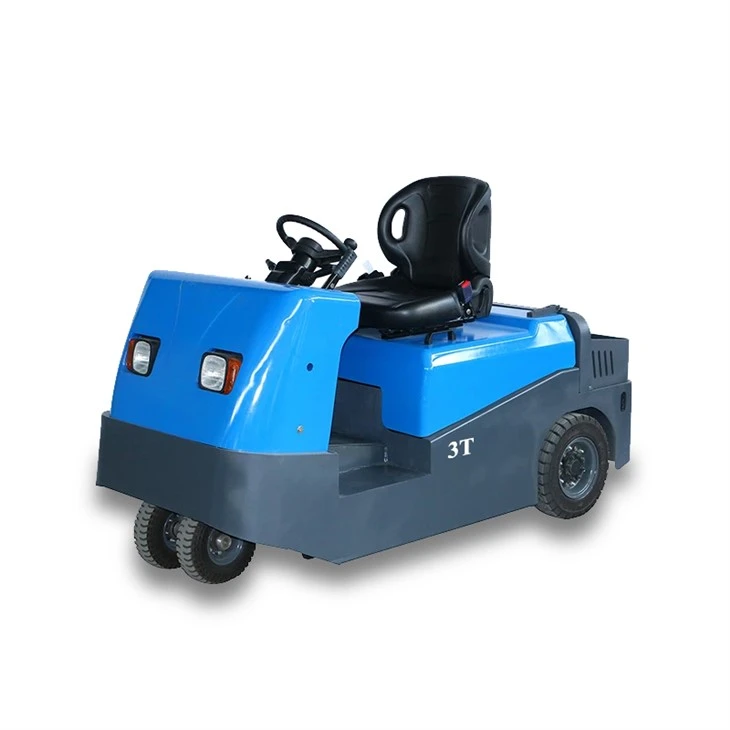
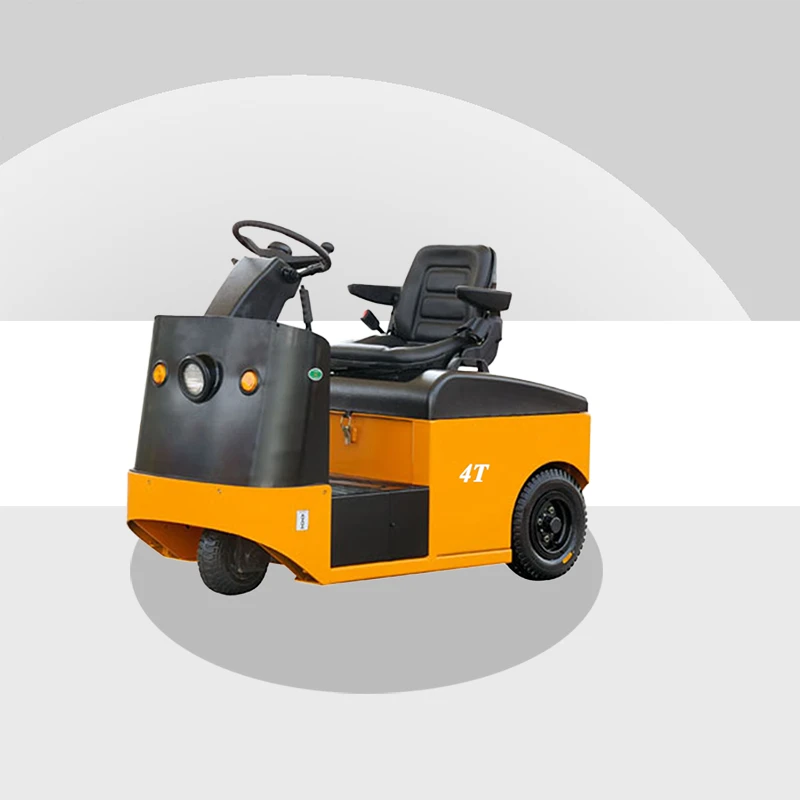
Another factor that affects the turning radius is the design of the tractor's steering system. Some electric tractors have a traditional steering mechanism, similar to what you'd find in a car. Others might use a more advanced system, like a differential steering, which allows for more precise turns. Our 3 Ton Car Type Electric Tractor features a state-of-the-art steering system that gives it excellent maneuverability, even though it's a mid-sized tractor.
The type of tires on the electric tractor also plays a role in the turning radius. Tires with a wider tread can provide more stability but might require a bit more space to turn. Conversely, tires with a narrower tread can make the tractor more agile but might sacrifice some stability. We carefully select the tires for our electric tractors to strike the right balance between maneuverability and stability.
So, why does the turning radius matter so much? Well, in industrial and commercial settings, time is money. A tractor with a smaller turning radius can complete tasks faster because it doesn't have to spend as much time repositioning itself. This means increased productivity and lower operating costs. Additionally, in tight spaces, a tractor with a large turning radius might not even be able to operate effectively, which can lead to delays and inefficiencies.
Let's take a look at some real-world examples. Imagine you're working in a busy warehouse with narrow aisles. You need to move pallets from one end of the aisle to the other quickly. A tractor with a small turning radius can easily navigate these tight spaces, making multiple trips in a short amount of time. On the other hand, if you're using a tractor with a large turning radius, you might find yourself constantly backing up and repositioning, which can slow down the entire operation.
In a construction site, the turning radius is also crucial. You might need to move heavy equipment and materials around the site, often in confined areas. A tractor with a good turning radius can get in and out of these spaces without causing any disruptions. This not only speeds up the construction process but also reduces the risk of accidents.
When it comes to choosing an electric tractor, the turning radius should be one of the key factors you consider. You need to think about the specific tasks you'll be using the tractor for and the environment in which it will operate. If you're working in a small, crowded space, a compact tractor with a small turning radius is probably your best bet. But if you need to tow heavy loads over long distances, a larger tractor with a slightly larger turning radius might be more suitable.
At our company, we understand the importance of the turning radius, and that's why we offer a wide range of electric tractors with different specifications. Whether you need a small, nimble tractor for a warehouse or a large, powerful tractor for a construction site, we've got you covered.
If you're in the market for an electric tractor and want to learn more about the turning radius and how it can affect your operations, don't hesitate to reach out. We're here to help you make the right choice for your business. Whether you have questions about a specific model or need advice on which tractor is best for your needs, our team of experts is just a message away. Let's start a conversation and see how we can work together to get your operations running smoothly.
References
- Industry knowledge and experience in electric tractor manufacturing and supply.
- Technical specifications of our electric tractors.