


Hey there! As a reach truck supplier, I get asked a lot about the difference between solid and pneumatic tires on reach trucks. It's a crucial choice that can significantly impact your reach truck's performance and the overall efficiency of your operations. So, let's dive right in and break it down.
What Are Solid Tires and Pneumatic Tires?
First off, let's understand what each type of tire is. Solid tires, as the name suggests, are made of solid rubber. They don't have an air chamber inside, which means they're puncture-proof. You don't have to worry about getting a flat tire during your work shifts, and that's a huge plus, especially in environments where sharp objects are common, like construction sites or scrapyards.
On the other hand, pneumatic tires are filled with air, just like the tires on your car. This air cushion provides a smoother ride because it can absorb shocks and vibrations better than solid tires. They're more flexible and can adapt to uneven surfaces more easily.

Performance in Different Environments
Indoor Use
When it comes to indoor use, like in a warehouse or a distribution center, solid tires are often the go-to choice. Warehouses usually have smooth, flat floors, and solid tires work great on these surfaces. They offer excellent traction and stability, which is essential when you're moving heavy loads up and down the aisles. Since there aren't many sharp objects indoors, the risk of punctures is low, so you can enjoy the reliability of solid tires without much concern.
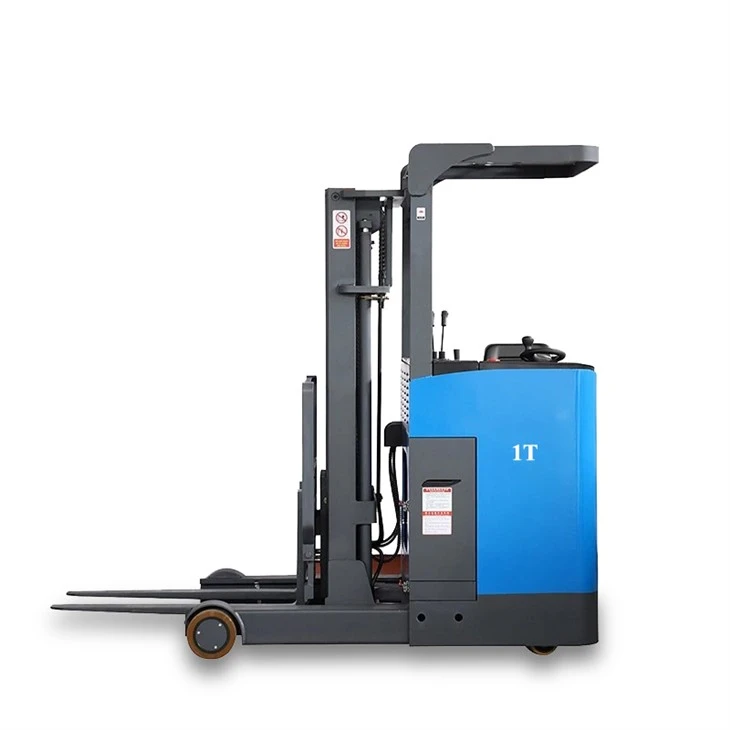
For example, if you're using our 1 Ton Electric Reach Truck in a small warehouse, solid tires will help you maneuver quickly and safely between the racks. The lack of air in the tires means there's no chance of a sudden flat, which could disrupt your workflow and cause delays.
Outdoor Use
Outdoor environments are a different story. If your reach truck needs to operate on rough, uneven terrain, such as a construction site or a lumberyard, pneumatic tires are your best bet. The air-filled design allows the tires to conform to the ground, providing better traction on unpaved surfaces. They can absorb the bumps and shocks from rocks, potholes, and other obstacles, making the ride more comfortable for the operator.
Let's say you're using our 2.5 Ton Large Reach Electric Forklift to move heavy materials around an outdoor construction site. The pneumatic tires on this forklift will help it navigate the rough terrain more easily, reducing the stress on the machine and the operator.
Maintenance Considerations
Solid Tires
Maintenance of solid tires is relatively straightforward. Since they don't have an air chamber, you don't have to worry about checking tire pressure regularly. However, they do wear out over time, especially if they're used on rough surfaces. The wear and tear can be uneven, which might affect the reach truck's handling. When the tires reach the end of their lifespan, you'll need to replace them. But overall, the maintenance requirements are minimal compared to pneumatic tires.
Pneumatic Tires
Pneumatic tires require more maintenance. You need to check the tire pressure regularly to ensure optimal performance. Under-inflated or over-inflated tires can affect the reach truck's handling, stability, and fuel efficiency. Additionally, there's always a risk of punctures, which means you might need to patch or replace the tires more frequently. However, with proper maintenance and care, pneumatic tires can last a long time.
Cost Comparison
Initial Cost
Solid tires are generally cheaper upfront compared to pneumatic tires. The manufacturing process for solid tires is simpler, and they use less material, which makes them more affordable. If you're on a tight budget or need to outfit multiple reach trucks, solid tires might be the more cost-effective option initially.
Long-Term Cost
When it comes to long-term cost, the picture is a bit different. While solid tires are cheaper to buy, they might need to be replaced more often, especially in high-wear environments. Pneumatic tires, on the other hand, can last longer if properly maintained, even though they're more expensive upfront. You also need to factor in the cost of maintenance, such as checking and adjusting tire pressure and patching punctures.
Operator Comfort
Solid Tires
Solid tires can be a bit rough on the operator, especially on uneven surfaces. Since they don't have an air cushion to absorb shocks, the vibrations from the ground are transferred directly to the reach truck and the operator. This can lead to fatigue and discomfort over long shifts, which might affect productivity.
Pneumatic Tires
Pneumatic tires offer a much smoother ride because of their air cushion. The operator will feel less vibration and shock, which means they'll be more comfortable and less likely to get fatigued. This can lead to increased productivity and a better overall work experience.
Making the Right Choice for Your Business
So, how do you decide which type of tire is right for your reach truck? It all comes down to your specific needs and operating environment. If you mainly operate indoors on smooth surfaces and want a low-maintenance, cost-effective option, solid tires are a great choice. On the other hand, if you need to work outdoors on rough terrain and prioritize operator comfort and traction, pneumatic tires are the way to go.
We offer a range of reach trucks, including the 1.5 Ton Large Reach Electric Forklift, with both solid and pneumatic tire options. Our team of experts can help you determine the best tire type for your specific requirements. Whether you need a reach truck for a small warehouse or a large construction site, we've got you covered.
If you're interested in learning more about our reach trucks or have any questions about solid and pneumatic tires, don't hesitate to reach out. We're here to help you make an informed decision and find the perfect reach truck for your business. Contact us today to start the conversation and take your operations to the next level.
References
- Forklift Operator's Manuals
- Industry Reports on Forklift Tire Performance