


What is the turning radius of an electric small tractor?
As a supplier of electric small tractors, I often encounter inquiries from customers about various technical specifications of our products. One question that comes up quite frequently is about the turning radius of an electric small tractor. In this blog post, I'll delve into this topic, explaining what the turning radius is, why it matters, and how it relates to our electric small tractors.
Understanding the Turning Radius
The turning radius of a vehicle, including an electric small tractor, is the minimum radius of the circle that the vehicle can turn within. It is typically measured from the center of the turning circle to the outermost point of the vehicle during a full - lock turn. There are two main types of turning radii: the inner turning radius and the outer turning radius. The inner turning radius refers to the radius of the circle traced by the inner wheels of the tractor when it makes a turn, while the outer turning radius is the radius of the circle traced by the outer wheels.
A smaller turning radius means that the tractor can make sharper turns and maneuver more easily in tight spaces. This is especially important in applications where space is limited, such as in small farms, orchards, or industrial warehouses. For example, in a small orchard, the tractor needs to be able to navigate between rows of trees without causing damage. A tractor with a large turning radius may struggle to make the necessary turns and could potentially knock down the trees.
Factors Affecting the Turning Radius of an Electric Small Tractor
Several factors influence the turning radius of an electric small tractor.
Wheelbase
The wheelbase, which is the distance between the front and rear axles of the tractor, has a significant impact on the turning radius. Generally, tractors with shorter wheelbases have smaller turning radii. This is because a shorter wheelbase allows the tractor to pivot more easily. Our Electric Compact Utility Tractor is designed with a relatively short wheelbase to ensure excellent maneuverability. It can easily navigate through narrow paths and make tight turns, which is ideal for small - scale operations.
Steering System
The type of steering system also plays a crucial role. Electric small tractors can be equipped with different steering mechanisms, such as Ackermann steering or hydrostatic steering. Ackermann steering is a common design that allows the inner and outer wheels to turn at different angles during a turn, optimizing the turning path. Hydrostatic steering, on the other hand, provides more precise control and can often result in a smaller turning radius. Our tractors are engineered with advanced steering systems to offer the best possible turning performance.
Tire Size and Configuration
The size and configuration of the tires can affect the turning radius. Larger tires may increase the overall footprint of the tractor and potentially increase the turning radius. Additionally, the way the tires are arranged on the axles can impact how the tractor turns. For example, a tractor with a four - wheel - steering configuration can have a much smaller turning radius compared to a two - wheel - steering tractor. Some of our Compact Electric Tractor models are available with four - wheel - steering options to enhance their maneuverability.
Importance of the Turning Radius in Different Applications
Agricultural Applications
In agriculture, electric small tractors are used for a variety of tasks, such as plowing, seeding, and harvesting. In small farms or vineyards, where the space between rows of crops is limited, a tractor with a small turning radius is essential. It allows farmers to work more efficiently without wasting time and energy trying to reposition the tractor. For instance, when plowing a small field with irregular boundaries, a tractor that can make sharp turns can cover the entire area more effectively.
Industrial Applications
In industrial settings, such as warehouses and factories, electric small tractors are used for material handling and transportation. These environments often have narrow aisles and tight corners. A tractor with a small turning radius can easily navigate through these spaces, reducing the risk of collisions with equipment or storage racks. Our tractors are designed to meet the demands of industrial applications, providing reliable performance in confined spaces.
Landscape Maintenance
Landscape maintenance companies also rely on electric small tractors for tasks like mowing, trimming, and transporting equipment. In gardens, parks, and golf courses, where there are many obstacles and tight spaces, a tractor with good maneuverability is a must. It enables workers to access hard - to - reach areas and complete their tasks quickly and safely.
Our Electric Small Tractors and Their Turning Radii
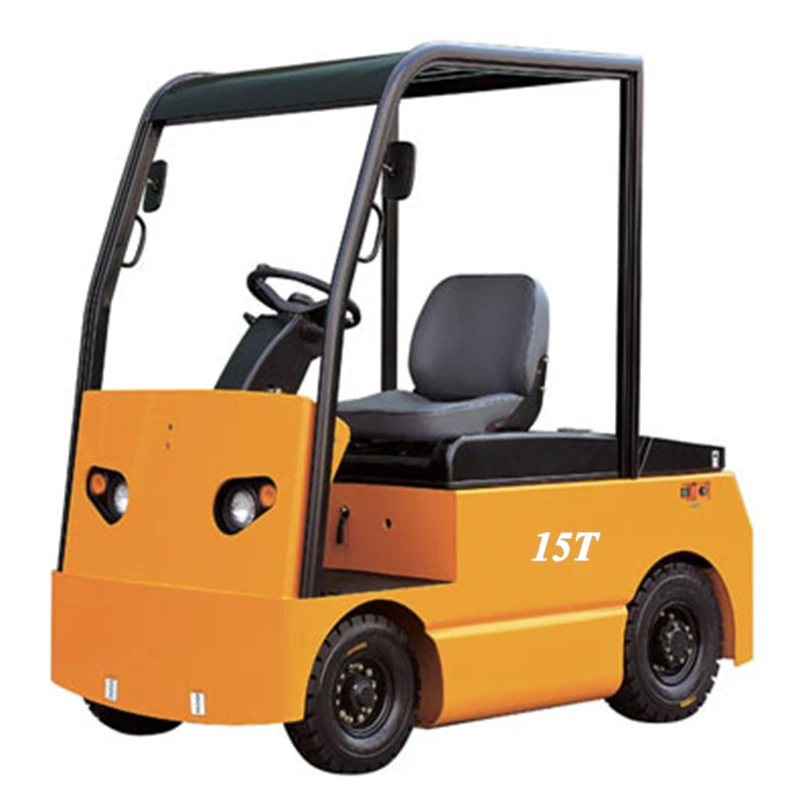
At our company, we understand the importance of the turning radius for our customers. That's why we have designed our electric small tractors to offer excellent maneuverability. Our 15 Ton Electric Tractor Stability is a prime example. Despite its relatively large capacity, it is engineered to have a competitive turning radius. This allows it to perform well in various applications, whether it's in a large industrial warehouse or a medium - sized farm.
We also offer a range of compact electric tractors that are specifically designed for tight spaces. These tractors have short wheelbases, advanced steering systems, and optimized tire configurations to ensure the smallest possible turning radii. Our R & D team is constantly working on improving the design of our tractors to further enhance their maneuverability.
How to Choose the Right Turning Radius for Your Needs
When choosing an electric small tractor, it's important to consider your specific application and the space in which the tractor will operate. If you work in a very confined area, such as a small greenhouse or a narrow alleyway in a warehouse, you'll need a tractor with a very small turning radius. On the other hand, if you have a large open field or a less - congested industrial site, you may have more flexibility in terms of the turning radius.
It's also a good idea to test - drive the tractor if possible. This will give you a firsthand experience of how easily the tractor can turn and maneuver in different situations. Our sales team is always available to provide you with more information and help you choose the right tractor based on your requirements.
Contact Us for Purchase and Consultation
If you're interested in our electric small tractors and want to learn more about their turning radii and other features, please don't hesitate to contact us. Our team of experts is ready to answer all your questions and assist you in making the right purchase decision. Whether you're a farmer, an industrial operator, or a landscape maintenance professional, we have the right tractor for you.
References
- "Tractor Design and Performance" - A comprehensive guide on tractor engineering principles.
- "Agricultural Machinery and Equipment Handbook" - Provides in - depth information on the use and specifications of agricultural tractors.
- "Industrial Material Handling Equipment" - Covers the requirements and features of tractors used in industrial settings.