


Yo, what's up everyone! I'm a supplier of Robots for Logistics, and today I wanna chat about the security risks associated with these nifty machines.
First off, let's talk about the tech side. Logistics robots rely heavily on software and networking to function. One big risk is cyber - attacks. Hackers could target the control systems of these robots. For example, they might try to gain unauthorized access to the robot's navigation software. If they succeed, they could redirect the robot to a wrong location, or even worse, make it collide with other equipment or people in the warehouse.
Think about our Pedal Type Automated Guided Vehicle. It moves around the warehouse based on pre - programmed routes and real - time sensor data. If a hacker messes with the navigation software, this vehicle could end up crashing into storage racks, causing damage to the goods and potentially injuring workers. And it's not just about physical damage. The downtime caused by such an incident can be a huge headache for the logistics operation.
Another aspect is data security. These robots collect a ton of data during their operations. This includes information about the goods they're transporting, the routes they take, and the time it takes to complete tasks. If this data falls into the wrong hands, it could be used for industrial espionage. Competitors might get access to details about your inventory levels, delivery schedules, and more.

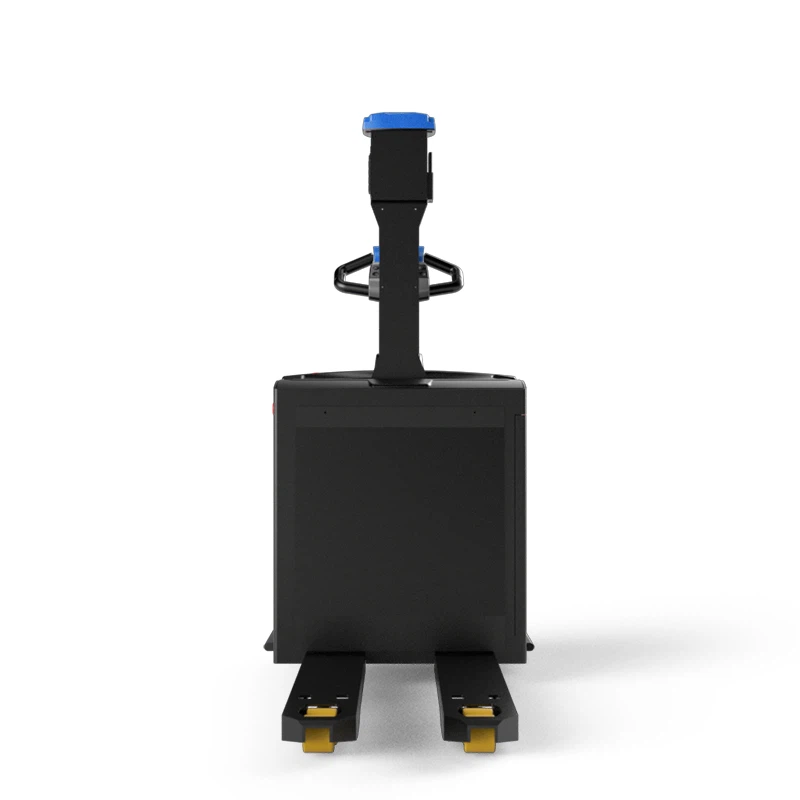
Our Point-to-Point Intelligent Automatic Transport Vehicle is constantly gathering data about the movement of goods from one point to another. A data breach could expose your company's supply chain strategies, giving your rivals an unfair advantage.
Now, let's move on to the physical risks. Logistics robots operate in a shared space with human workers. There's always a risk of collisions. Even though these robots are equipped with sensors to detect obstacles, these sensors can sometimes fail. Maybe there's a glitch in the sensor software, or the sensor gets dirty or damaged.
Take our Multi-scenario Intelligent Robot. It's designed to work in different scenarios, but if its sensors malfunction, it might not be able to stop in time when a human worker steps into its path. This could lead to serious injuries, not to mention the legal and financial consequences for the company.
Also, the mechanical parts of these robots can pose risks. Over time, components like motors, gears, and belts can wear out. If not properly maintained, these worn - out parts can cause the robot to malfunction. For example, a loose belt could cause the robot to lose control of its movement, leading to an accident.
Battery safety is another concern. Most logistics robots are powered by batteries. If the battery is not properly managed, there's a risk of overheating, short - circuits, or even explosions. Imagine a robot with a faulty battery catching fire in the middle of a warehouse full of flammable goods. It's a nightmare scenario.
So, what can we do to mitigate these risks? Well, on the cyber - security front, we need to invest in robust security measures. This includes using strong encryption for data transmission, regularly updating the robot's software to patch any security vulnerabilities, and implementing access controls to ensure that only authorized personnel can interact with the robot's systems.
For physical safety, regular maintenance is key. We should have a strict maintenance schedule to check the sensors, mechanical parts, and batteries of the robots. Workers should also be trained on how to safely interact with the robots. This includes knowing the robot's operating areas, understanding the warning signals, and following proper safety procedures.
In conclusion, while logistics robots offer a lot of benefits in terms of efficiency and productivity, we can't ignore the security risks. As a supplier, we're committed to helping our customers address these issues. We're constantly working on improving the security features of our robots, and we're happy to provide support and guidance on how to manage these risks.
If you're in the market for logistics robots and want to learn more about how we can help you deal with these security concerns, don't hesitate to reach out. We're here to have a chat, answer your questions, and work with you to find the best solutions for your logistics needs. Let's make your logistics operation safer and more efficient together!
References:
- General knowledge on logistics and robotics technology
- Industry reports on the use and risks of logistics robots