


Hey there! As a stacker supplier, I've seen firsthand the importance of safety when it comes to using these powerful machines. Stackers are incredibly useful in warehouses, factories, and other industrial settings, but if not used correctly, they can pose serious risks. In this blog post, I'll share some essential safety precautions for using a stacker.
Pre - operation Checks
Before you even start up the stacker, it's crucial to conduct a thorough pre - operation check. This is like giving your stacker a little health check - up.
First, visually inspect the stacker. Look for any signs of damage, such as cracks in the frame, bent forks, or loose parts. Check the tires to make sure they're properly inflated and have no signs of excessive wear. You don't want a flat tire or a wobbly wheel while you're trying to move heavy loads.
Next, check the controls. Make sure all the levers, buttons, and switches are working properly. Try moving the forks up and down, forward and backward to ensure smooth operation. If you notice any strange noises or jerky movements, don't use the stacker until it's been inspected by a professional.
Also, check the battery (if it's an electric stacker). Ensure it's fully charged and that all the connections are secure. A dead battery in the middle of a job can be a real headache, not to mention potentially dangerous.
Operator Training
You wouldn't let someone drive a car without a license, right? The same goes for operating a stacker. Proper operator training is non - negotiable.

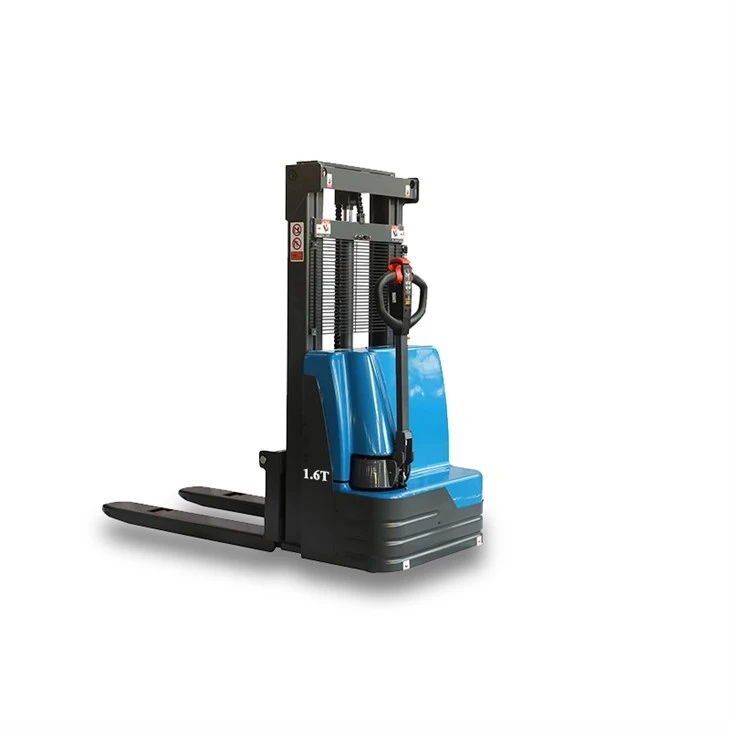
Operators should be trained on how to start, stop, and maneuver the stacker safely. They need to understand the different controls and how to use them effectively. Training should also cover load handling. Knowing how to properly position the forks under the load, how to lift and lower it smoothly, and how to balance the load on the forks is essential.
In addition, operators should be taught about the stacker's weight capacity. Overloading a stacker can cause it to tip over, which is extremely dangerous. Always make sure the load you're carrying is within the stacker's rated capacity.
We offer a variety of stackers, including the Electric Stacker Pallet Jack and the Walkie Pallet Stacker, and each model may have slightly different operating procedures. That's why it's so important for operators to be trained specifically on the type of stacker they'll be using.
Workplace Safety
The workplace environment plays a big role in stacker safety. Here are some things to keep in mind.
First, keep the work area clean and free of clutter. A cluttered floor can cause the stacker to trip or collide with objects, which can lead to accidents. Make sure there are clear pathways for the stacker to move through.
Mark any hazards, such as uneven floors, slopes, or low - hanging objects. Operators should be aware of these hazards and take extra precautions when navigating around them.
Also, make sure there's enough space for the stacker to operate. Don't try to squeeze it into tight spaces where it might not be able to turn or maneuver properly.
Load Handling
Proper load handling is key to stacker safety. When picking up a load, make sure the forks are centered under the load. This helps to distribute the weight evenly and prevent the load from shifting during transport.
Don't stack loads too high. A tall stack can be unstable and more likely to tip over. Follow the recommended stacking height guidelines for your stacker and the type of load you're handling.
When moving a load, keep it as low to the ground as possible. This lowers the center of gravity and makes the stacker more stable. Also, drive slowly and smoothly to avoid sudden stops or starts that could cause the load to fall.
Personal Protective Equipment (PPE)
Operators should always wear the appropriate personal protective equipment. This includes safety shoes to protect their feet from falling objects or being crushed by the stacker. Safety glasses are also a must to protect their eyes from dust, debris, or any flying objects.
If the work area is noisy, operators should wear ear protection. And in some cases, depending on the environment, they may need to wear high - visibility vests to make them more visible to other workers.
Maintenance and Inspection
Regular maintenance and inspection of the stacker are essential for safety. Have a maintenance schedule in place and stick to it. This includes things like checking the brakes, lubricating moving parts, and replacing worn - out components.
Inspect the stacker after each use. Look for any new signs of damage or wear. If you notice anything that needs attention, report it immediately and don't use the stacker until it's been repaired.
We also offer a Walk Behind Pallet Stacker that requires proper maintenance just like any other stacker. By keeping your stacker in good condition, you can reduce the risk of breakdowns and accidents.
Emergency Procedures
Even with all the precautions in place, emergencies can still happen. That's why it's important to have emergency procedures in place.
Operators should know how to stop the stacker in case of an emergency. There should be an easily accessible emergency stop button on the stacker.
In case of a fire, know the location of the fire extinguishers and how to use them. If the stacker tips over, operators should know how to safely get out of the way and how to report the incident.
Conclusion
Using a stacker safely is all about being prepared, trained, and vigilant. By following these safety precautions, you can minimize the risk of accidents and keep your workplace a safe place.
If you're in the market for a stacker, we've got a great range of options to choose from. Whether you need an electric stacker pallet jack, a walkie pallet stacker, or a walk - behind pallet stacker, we can help you find the right one for your needs. Don't hesitate to get in touch with us to start the procurement process and discuss how our stackers can benefit your business.
References
- OSHA (Occupational Safety and Health Administration) guidelines on industrial equipment safety.
- Manufacturer's manuals for stacker operation and maintenance.