


In the realm of modern agriculture and industrial operations, the shift towards electric tractors has been gaining significant momentum. As an electric tractor supplier, I've witnessed firsthand the growing interest in these eco - friendly and efficient machines. One of the most frequently asked questions by potential buyers is whether electric tractors require special charging stations. In this blog, I'll delve into this topic, exploring the technical aspects, practical considerations, and the implications for users and businesses.
Technical Aspects of Electric Tractor Charging
Electric tractors, like other electric vehicles, rely on rechargeable batteries to power their motors. The type of battery used in an electric tractor can vary, but lithium - ion batteries are becoming increasingly popular due to their high energy density, long lifespan, and relatively low self - discharge rate.
The charging process of an electric tractor is determined by the battery's voltage, capacity, and the charging rate. Most electric tractors operate on a high - voltage system, typically ranging from 48V to 96V or even higher for larger models. The capacity of the battery, measured in ampere - hours (Ah), determines how much energy the tractor can store and, consequently, how long it can operate on a single charge.
The charging rate, measured in kilowatts (kW), is a crucial factor. A higher charging rate means the tractor can be recharged more quickly. However, not all batteries can handle high - rate charging. Some older or lower - quality batteries may require a slower charging process to prevent overheating and damage.
In terms of charging technology, there are three main types: slow charging, fast charging, and rapid charging. Slow charging, also known as level 1 charging, typically uses a standard household electrical outlet (120V in the United States). This method is the slowest, taking anywhere from 8 to 24 hours to fully charge the tractor's battery. It is suitable for overnight charging or when the tractor is not in use for an extended period.
Fast charging, or level 2 charging, uses a 240V electrical supply. This significantly reduces the charging time, usually taking between 2 to 8 hours. Fast charging stations are commonly found in commercial and industrial settings and are a popular choice for businesses that need to get their tractors back in operation quickly.
Rapid charging, also known as DC fast charging, can charge the battery to 80% in as little as 30 minutes. However, this type of charging requires specialized equipment and a high - power electrical supply. It is typically used in situations where time is of the essence, such as in large - scale agricultural operations or industrial fleets.
Do Electric Tractors Require Special Charging Stations?
The answer to whether electric tractors require special charging stations is not straightforward. It depends on several factors, including the type of tractor, its battery capacity, and the user's charging needs.
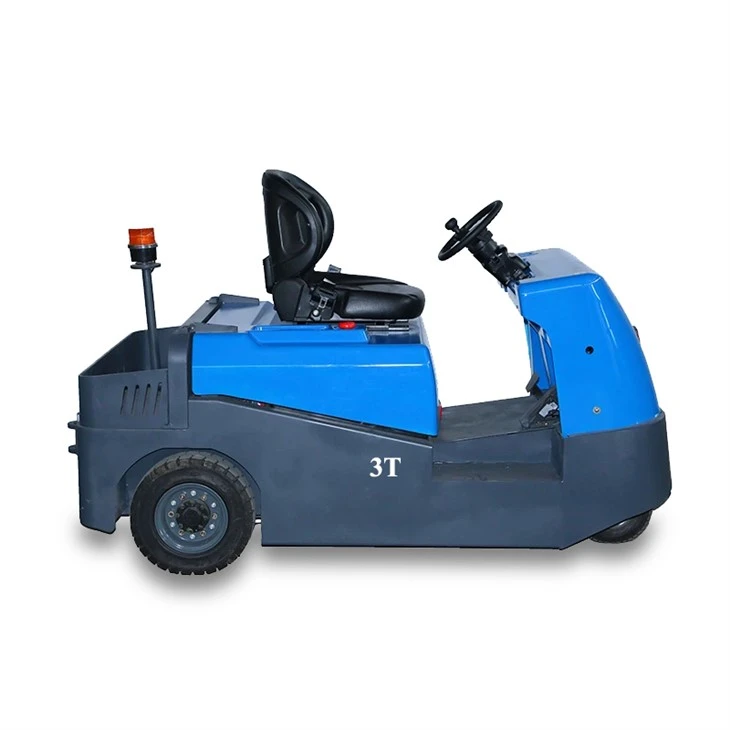
For smaller electric tractors, such as the 3 Ton Car Type Electric Tractor, which often have lower battery capacities, a standard household electrical outlet may be sufficient for slow charging. This means that users can charge their tractors at home or in a small - scale agricultural setting without the need for a dedicated charging station.
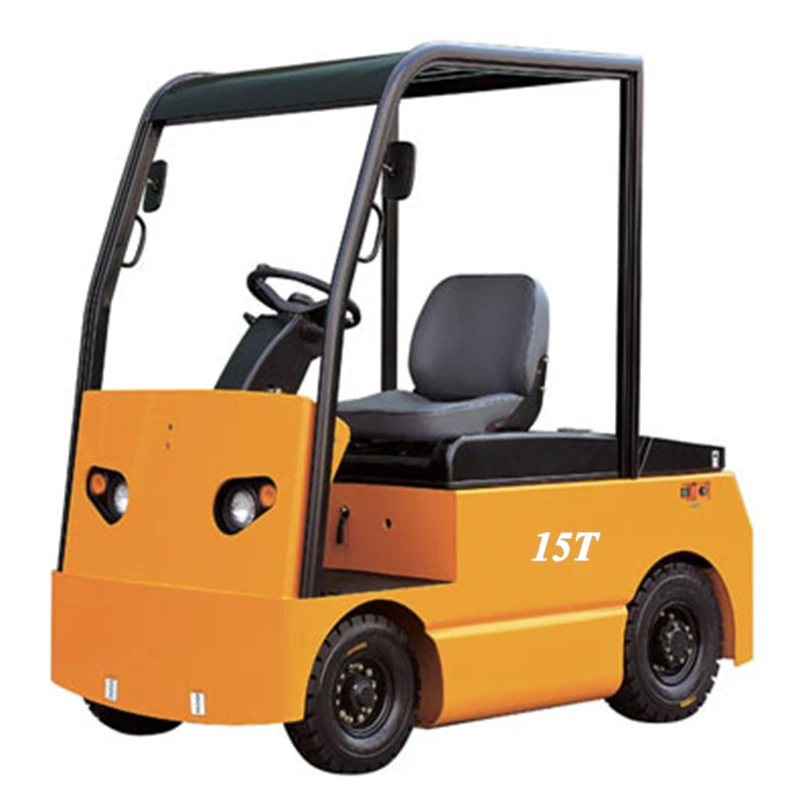
However, larger electric tractors, like the 15 Ton Electric Tractor Stability or the 6 Ton Electric Tractor, usually have larger battery capacities and higher power requirements. These tractors may need a fast or rapid charging station to recharge in a reasonable amount of time.
Specialized charging stations are designed to handle the high - power demands of these larger tractors. They are equipped with advanced charging algorithms that can optimize the charging process, ensuring the battery is charged safely and efficiently. Additionally, they often have features such as temperature monitoring and over - current protection to prevent damage to the battery.
In some cases, businesses may choose to install multiple charging stations to accommodate a fleet of electric tractors. This requires careful planning and consideration of the electrical infrastructure. A professional electrician should be consulted to ensure that the electrical system can handle the additional load.
Practical Considerations for Charging Electric Tractors
When it comes to charging electric tractors, there are several practical considerations that users and businesses need to keep in mind.
Cost: The cost of installing a charging station can vary widely depending on the type and capacity of the station. Slow charging stations are the least expensive, as they can be set up using a standard electrical outlet. Fast and rapid charging stations, on the other hand, require more specialized equipment and may involve significant installation costs. However, the long - term savings in fuel costs and maintenance can offset the initial investment.
Location: The location of the charging station is also important. It should be easily accessible to the tractors and located in a safe and dry area. In an agricultural setting, the charging station may be placed near the barn or storage area. In an industrial setting, it may be located in a dedicated charging area within the facility.
Charging Time Management: Efficient charging time management is crucial for businesses. By scheduling charging during off - peak hours, businesses can take advantage of lower electricity rates. Additionally, they can plan their operations around the charging time of the tractors to minimize downtime.
Implications for Users and Businesses
The need for special charging stations has several implications for users and businesses.
For users, the availability of charging stations can impact the usability of the electric tractor. If there are no nearby charging stations, users may be limited in the range and duration of their operations. However, with the increasing number of charging stations being installed in both rural and urban areas, this issue is becoming less of a concern.
For businesses, investing in a charging infrastructure can be a strategic decision. It not only allows them to operate a fleet of electric tractors more efficiently but also demonstrates their commitment to sustainability. In addition, businesses may be eligible for government incentives and grants for installing electric vehicle charging stations.
Conclusion
In conclusion, while not all electric tractors require special charging stations, larger models with higher power requirements often do. The decision to invest in a charging station depends on several factors, including the type of tractor, the user's charging needs, and the long - term cost - benefit analysis.
As an electric tractor supplier, I understand the importance of providing our customers with comprehensive information about charging options. We work closely with our customers to assess their needs and recommend the most suitable charging solutions. Whether it's a simple slow - charging setup or a complex rapid - charging infrastructure, we are committed to helping our customers make the most of their electric tractors.
If you are interested in purchasing an electric tractor or have questions about charging stations, please feel free to contact us for more information. We are always ready to assist you in finding the best solution for your specific requirements.
References
- SAE International. (2023). Electric Vehicle Charging Standards.
- International Energy Agency. (2023). Global Electric Vehicle Outlook.
- Battery Council International. (2023). Battery Technology and Applications.