


In the dynamic landscape of modern logistics, the integration of robotics has revolutionized operations, enhancing efficiency, accuracy, and productivity. As a leading supplier of Robots for Logistics, we understand the critical role these robots play in the seamless flow of goods. However, like any complex system, logistics robots are not immune to failures. In this blog post, we will explore the backup systems in place to ensure continuous operations in the event of a logistics robot failure.
Understanding the Importance of Backup Systems
Logistics robots are designed to perform a wide range of tasks, from material handling and sorting to inventory management and order fulfillment. Any disruption in their operation can have a significant impact on the overall supply chain, leading to delays, increased costs, and customer dissatisfaction. Backup systems are essential to minimize downtime and maintain the flow of goods, ensuring that businesses can meet their operational targets and customer demands.
Types of Backup Systems
There are several types of backup systems that can be implemented to address logistics robot failures. These systems can be categorized into two main types: hardware-based backup systems and software-based backup systems.
Hardware-Based Backup Systems
Hardware-based backup systems involve the use of physical components to replace or support the failed robot. These systems can include redundant robots, spare parts, and backup power supplies.
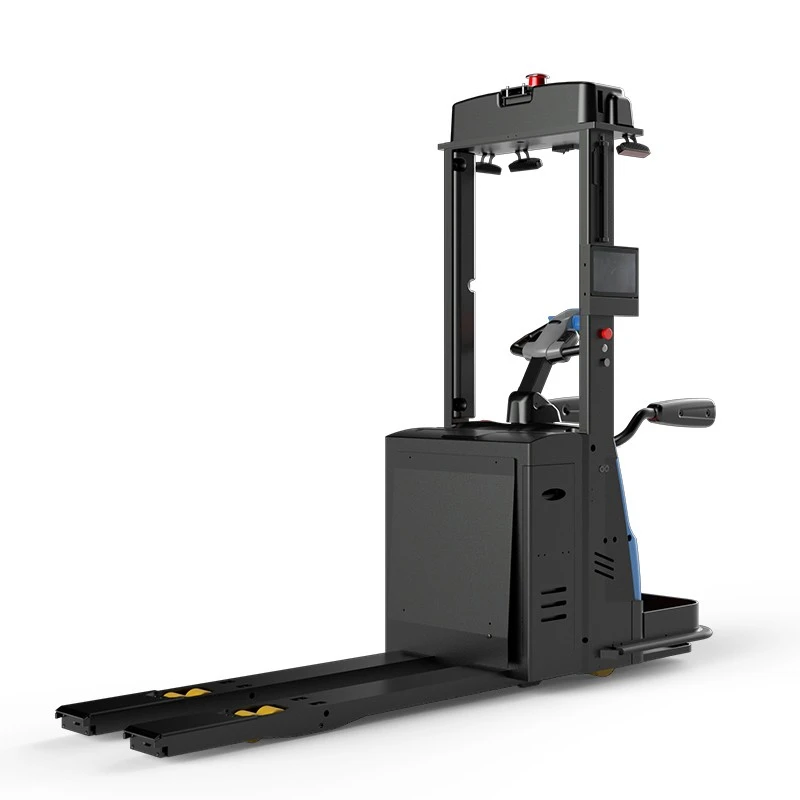
- Redundant Robots: One of the most effective ways to ensure continuous operations is to have redundant robots in place. Redundant robots are identical to the primary robots and can be quickly deployed to take over the tasks of the failed robot. This approach minimizes downtime and allows businesses to maintain their production levels. For example, in a warehouse where multiple High Speed Automated Transport Vehicle are used for material handling, having a few spare vehicles can ensure that operations continue smoothly even if one or more vehicles fail.
- Spare Parts: Keeping a stock of spare parts is another important aspect of hardware-based backup systems. Spare parts can be used to quickly repair or replace the failed components of the robot, reducing the time required for maintenance and minimizing downtime. For instance, if a robot's motor fails, having a spare motor on hand can allow technicians to replace it immediately and get the robot back in operation.
- Backup Power Supplies: Power outages can cause significant disruptions to logistics robot operations. To mitigate this risk, backup power supplies such as uninterruptible power supplies (UPS) can be installed. UPS systems provide temporary power to the robots in the event of a power outage, allowing them to complete their current tasks and safely shut down. This helps prevent damage to the robots and ensures that the goods being transported are not lost or damaged.
Software-Based Backup Systems
Software-based backup systems involve the use of software algorithms and protocols to manage the failure of logistics robots. These systems can include fault detection and diagnosis systems, load balancing algorithms, and remote monitoring and control systems.
- Fault Detection and Diagnosis Systems: Fault detection and diagnosis systems are designed to continuously monitor the performance of logistics robots and detect any potential faults or failures. These systems use sensors and analytics to collect data on the robot's operation and compare it to normal operating parameters. If a fault is detected, the system can alert the maintenance team and provide detailed information about the nature and location of the fault. This allows technicians to quickly diagnose and repair the problem, minimizing downtime.
- Load Balancing Algorithms: Load balancing algorithms are used to distribute the workload evenly among multiple robots. In the event of a robot failure, these algorithms can automatically reassign the tasks of the failed robot to the remaining robots, ensuring that the overall workload is balanced and that operations continue smoothly. For example, if a sorting robot fails in a warehouse, the load balancing algorithm can redistribute the sorting tasks to the other sorting robots, preventing bottlenecks and maintaining the throughput of the system.
- Remote Monitoring and Control Systems: Remote monitoring and control systems allow operators to monitor the performance of logistics robots in real-time and take corrective actions remotely. These systems use sensors, cameras, and communication technologies to collect data on the robot's operation and transmit it to a central control center. Operators can then use this data to diagnose and resolve issues, adjust the robot's parameters, and even control the robot remotely. This provides greater flexibility and efficiency in managing the logistics robot fleet.
Implementing Backup Systems
Implementing backup systems requires careful planning and consideration. Here are some key steps to follow when implementing backup systems for logistics robots:

- Conduct a Risk Assessment: The first step in implementing backup systems is to conduct a risk assessment to identify the potential risks and vulnerabilities associated with logistics robot failures. This involves analyzing the robot's design, operation, and environment, as well as considering the impact of a failure on the overall supply chain. Based on the risk assessment, businesses can prioritize the backup systems that are most critical to their operations.
- Develop a Backup Strategy: Once the risks have been identified, businesses can develop a backup strategy that outlines the specific backup systems to be implemented. The backup strategy should consider the type of robots being used, the nature of the tasks they perform, and the budget available for backup systems. It should also include a plan for testing and maintaining the backup systems to ensure their reliability.
- Train the Maintenance Team: Implementing backup systems requires a skilled maintenance team that is trained to operate and maintain the backup systems. The maintenance team should be familiar with the hardware and software components of the backup systems and should be able to quickly diagnose and repair any issues that arise. Regular training and certification programs can help ensure that the maintenance team has the necessary skills and knowledge to support the logistics robot fleet.
- Test and Validate the Backup Systems: Before implementing the backup systems, it is important to test and validate them to ensure their reliability and effectiveness. This involves conducting simulations and real-world tests to verify that the backup systems can perform their intended functions in the event of a robot failure. Testing should be done regularly to ensure that the backup systems remain up-to-date and functional.
Conclusion
Logistics robots have become an integral part of modern supply chain operations, providing greater efficiency, accuracy, and productivity. However, like any complex system, they are not immune to failures. Backup systems are essential to ensure continuous operations in the event of a logistics robot failure, minimizing downtime and maintaining the flow of goods. By implementing a combination of hardware-based and software-based backup systems, businesses can enhance the reliability and resilience of their logistics robot fleets.
As a leading supplier of Robots for Logistics, we offer a comprehensive range of backup systems and services to help our customers ensure the uninterrupted operation of their logistics robots. Our Multi-scenario Intelligent Robot are designed with built-in redundancy and fault tolerance features, and we provide spare parts, maintenance support, and remote monitoring services to minimize downtime and maximize productivity.
If you are interested in learning more about our backup systems and how they can benefit your logistics operations, please contact us to schedule a consultation. Our team of experts will be happy to discuss your specific needs and provide you with a customized solution.
References
- [Logistics Automation Handbook](Author, Year)
- [Robotics in Supply Chain Management](Author, Year)
- [Fault Tolerant Control Systems for Industrial Robots](Author, Year)