


When it comes to replacing a forklift, understanding the installation requirements is crucial for a smooth and successful transition. As a trusted forklift replacement supplier, we have extensive experience in guiding our customers through this process. In this blog, we will delve into the key installation requirements for a replacement forklift, ensuring that you are well - informed and prepared for the task ahead.
1. Site Assessment
Before installing a replacement forklift, a comprehensive site assessment is necessary. This involves evaluating the physical space where the forklift will operate. The floor surface should be inspected for its load - bearing capacity. Forklifts can be heavy, especially when loaded, and the floor must be able to support the weight without cracking or deforming. For example, in a warehouse with a concrete floor, the thickness and quality of the concrete play a significant role. If the floor is too weak, it can lead to premature wear and tear on the forklift's tires and undercarriage.
The layout of the site also matters. Measure the aisles to ensure they are wide enough for the forklift to maneuver safely. A narrow aisle may limit the type of forklift you can use. For instance, reach trucks are more suitable for narrow aisles compared to counterbalance forklifts. Additionally, check for any overhead obstructions such as pipes, beams, or low - hanging lights. These can interfere with the forklift's mast when it is raised, potentially causing damage to the forklift or the overhead structures.
2. Power Source Requirements
Forklifts can be powered by different sources, including electricity, diesel, and propane. Each power source has its own installation requirements.
Electric Forklifts
If you are replacing an electric forklift, you need to ensure that there is an appropriate charging infrastructure in place. This includes having the right type of chargers and electrical outlets. The voltage and amperage of the electrical supply must match the forklift's requirements. For example, some large electric forklifts may require a three - phase electrical supply. You also need to allocate a dedicated area for charging to prevent any safety hazards. This area should be well - ventilated to dissipate heat generated during the charging process.
Diesel Forklifts
Diesel forklifts require a proper fuel storage and refueling system. The fuel tank should be installed in a safe location, away from sources of ignition. It is essential to follow local regulations regarding fuel storage. Additionally, the forklift's exhaust system needs to be properly installed and vented. Diesel engines produce exhaust fumes that are harmful if inhaled, so the exhaust should be directed outside of enclosed areas. You may also need to consider the availability of diesel fuel in your area. For high - quality Diesel Filter Parts, we offer a wide range of options to ensure the efficient operation of your diesel forklift.
Propane Forklifts
Propane forklifts require a propane tank and a proper connection system. The propane tank should be securely mounted on the forklift. It is important to check the tank for any signs of damage or leaks regularly. The propane supply system should be installed by a qualified technician to ensure safety. Propane is a flammable gas, so proper ventilation is necessary in the area where the forklift is used and stored.
3. Operator Training
Installing a replacement forklift is not just about the physical installation; it also involves ensuring that the operators are properly trained. Even if the new forklift is similar to the old one, there may be differences in controls, features, or performance. Operator training should cover safety procedures, such as how to properly start and stop the forklift, how to handle loads safely, and what to do in case of an emergency.
Training should also include familiarization with the new forklift's controls and functions. For example, some modern forklifts may have advanced features like electronic stability control or automatic load leveling. Operators need to understand how these features work to maximize the forklift's performance and safety. As a supplier, we can provide resources or recommend training programs to ensure that your operators are well - prepared to use the new forklift.
4. Maintenance Access
Easy access for maintenance is an important installation requirement. The forklift should be installed in a location where it can be easily reached by maintenance personnel. This includes having enough space around the forklift to open engine compartments, access hydraulic systems, and perform routine inspections.
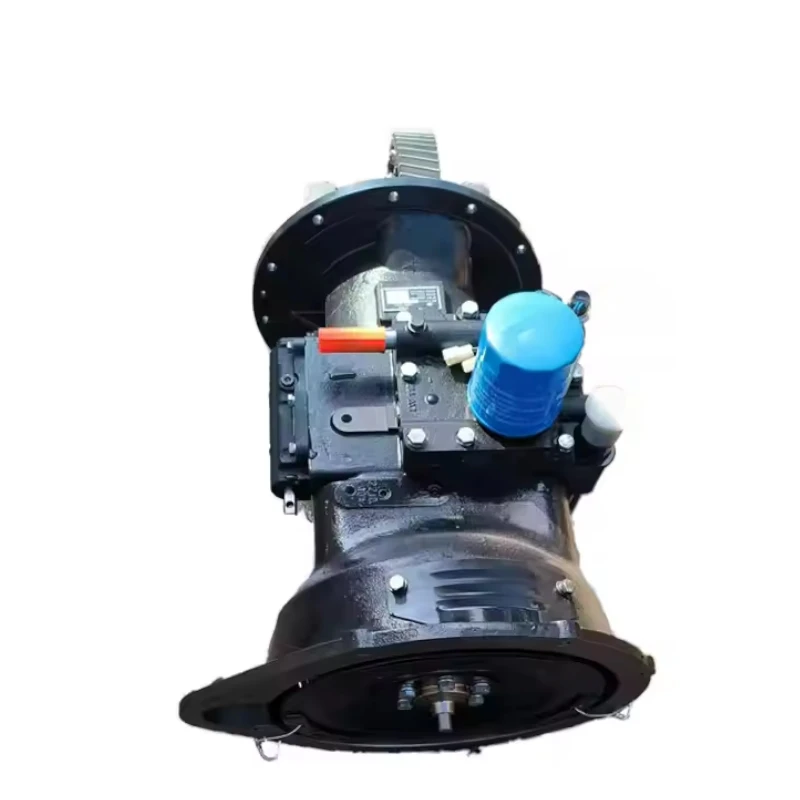
The replacement forklift should also have proper maintenance points that are clearly marked. For example, the location of oil filters, air filters, and lubrication points should be easily accessible. This will make it easier for maintenance technicians to perform regular servicing, which is essential for the longevity and reliability of the forklift. If you are looking for parts like the Hydraulic Transmission Gearbox, we can provide high - quality components to keep your forklift in top condition.
5. Safety Features Installation
Safety features are a critical part of any forklift installation. The replacement forklift should be equipped with all the necessary safety devices, and they should be properly installed and functioning.
Seat and Seatbelt
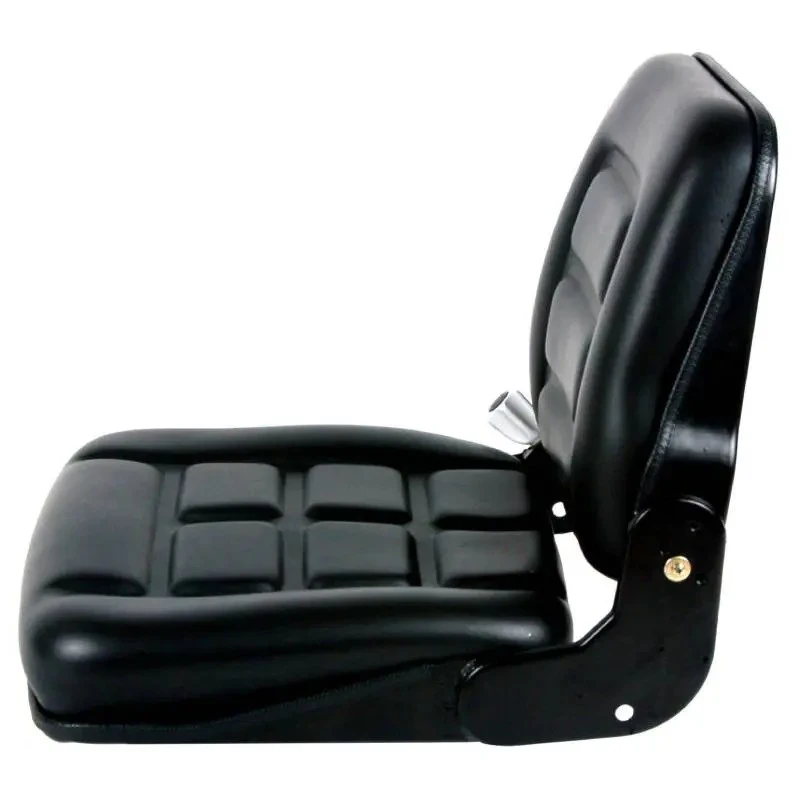
The forklift seat is an important safety component. A comfortable and properly installed seat can reduce operator fatigue. For a Forklift Seat without Armrests, we offer options that are designed for both comfort and safety. The seatbelt should also be installed correctly. Operators should be trained to always wear their seatbelts while operating the forklift. A seatbelt can prevent the operator from being ejected in case of a sudden stop or collision.
Lights and Horn
Proper lighting is essential for safe operation, especially in low - light environments. The forklift should have headlights, taillights, and warning lights installed. These lights help the operator see clearly and also make the forklift more visible to other workers in the area. The horn should be in good working condition. It is used to alert others of the forklift's presence, especially when approaching intersections or blind spots.
Safety Guards
Safety guards should be installed on the forklift to protect the operator from moving parts such as chains, gears, and the mast. These guards prevent accidental contact with dangerous components, reducing the risk of injury.
6. Compatibility with Existing Equipment
If you are integrating the replacement forklift into an existing material handling system, you need to ensure compatibility. This includes checking if the forklift can interface with other equipment such as pallet racks, conveyor belts, or loading docks.
For example, the forks of the forklift should be the right size and shape to fit the pallets used in your facility. If the forks are too wide or too narrow, it can cause problems when picking up or placing pallets. The forklift's height and reach should also be compatible with the height of the pallet racks. If the forklift cannot reach the top shelves, it may limit the storage capacity of your warehouse.
7. Regulatory Compliance
It is essential to ensure that the installation of the replacement forklift complies with all relevant local, state, and national regulations. These regulations cover aspects such as safety standards, environmental requirements, and operator training.
For example, in some areas, there are regulations regarding the emissions of diesel forklifts. You need to make sure that the diesel forklift you are installing meets the required emission standards. Failure to comply with these regulations can result in fines or other legal consequences.
Contact Us for Your Forklift Replacement Needs
As a leading forklift replacement supplier, we are committed to providing you with the best products and services. We understand the complexity of forklift installation requirements and can guide you through every step of the process. Whether you need help with site assessment, power source installation, or operator training, our team of experts is here to assist you.
If you have any questions about forklift replacement or need further information on the installation requirements, please feel free to contact us. We look forward to working with you to ensure a successful forklift replacement project.
References
- "Forklift Safety Handbook" by the Occupational Safety and Health Administration (OSHA)
- "Material Handling Equipment Standards" published by the American National Standards Institute (ANSI)