


Hey there! As a counterbalance stacker supplier, I've seen firsthand how crucial it is to boost the efficiency of these machines. Whether you're running a small warehouse or a large distribution center, getting the most out of your counterbalance stacker can save you time, money, and a whole lot of headaches. So, let's dive into some practical tips on how to improve the efficiency of a counterbalance stacker.
1. Operator Training
One of the most important factors in improving the efficiency of a counterbalance stacker is proper operator training. A well-trained operator can handle the machine more smoothly, make fewer mistakes, and complete tasks faster.
When operators are trained, they learn the correct way to maneuver the stacker, how to load and unload pallets safely and efficiently, and how to perform basic maintenance checks. This knowledge not only improves the stacker's efficiency but also reduces the risk of accidents and damage to the equipment.
We offer comprehensive training programs for our customers. Our trainers have years of experience in operating counterbalance stackers and can provide hands - on instruction. If you're new to using counterbalance stackers, I highly recommend investing in training for your operators. It'll pay off in the long run.
2. Regular Maintenance
Just like any other piece of machinery, counterbalance stackers need regular maintenance to perform at their best. A well - maintained stacker is less likely to break down, which means less downtime and more productivity.
Regular maintenance includes things like checking the battery (if it's an electric stacker), lubricating moving parts, inspecting the forks for damage, and ensuring that the brakes and steering are in good working order. You should also follow the manufacturer's recommended maintenance schedule.
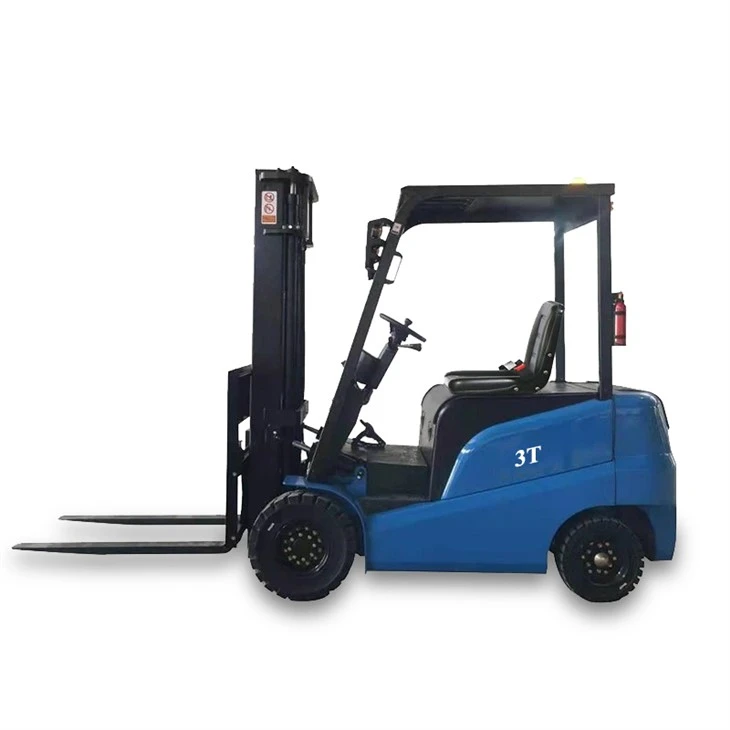
For example, if you have our 3 Ton CounterBalance forklift, it comes with a detailed maintenance guide. By following this guide, you can keep your stacker running smoothly and avoid costly repairs.
3. Optimize Warehouse Layout
The layout of your warehouse can have a big impact on the efficiency of your counterbalance stacker. A well - designed warehouse layout allows the stacker to move freely and quickly between storage areas and loading docks.
First, make sure there are clear aisles that are wide enough for the stacker to maneuver. You don't want your operators to have to squeeze through tight spaces, as this can slow them down and increase the risk of collisions.
Second, organize your inventory in a logical way. Group similar items together and place frequently accessed items near the loading dock. This way, the stacker doesn't have to travel long distances to pick up or store pallets.
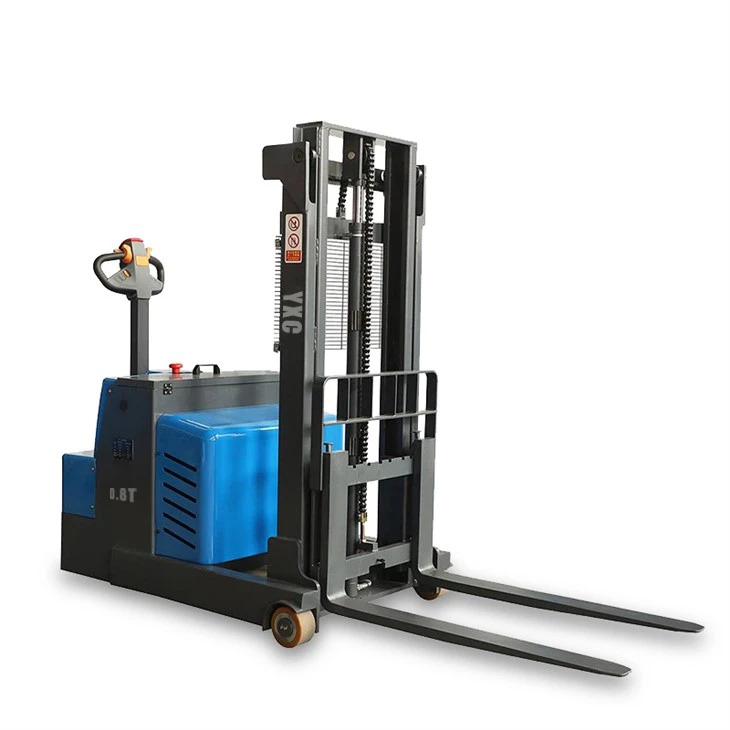
Our Pallet Stacker Counterbalance is designed to work well in various warehouse layouts. But by optimizing your layout, you can really make the most of its capabilities.
4. Use the Right Attachments
Counterbalance stackers can be equipped with a variety of attachments that can improve their efficiency. For example, a fork positioner allows the operator to adjust the width of the forks without having to get off the stacker. This saves time when handling different sizes of pallets.
Another useful attachment is a side shifter. A side shifter enables the stacker to move the load left or right without having to reposition the entire machine. This can be especially helpful when trying to align the load with a rack or a trailer.
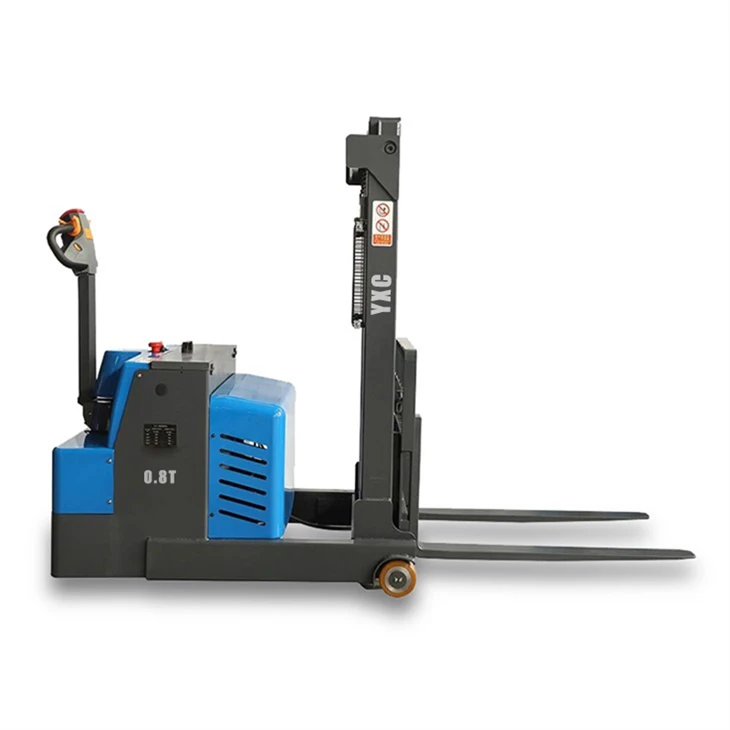
We offer a range of attachments for our counterbalance stackers. If you're interested in improving the efficiency of your stacker, consider adding some of these attachments. You can check out our Walkie Counterbalanced Stacker which can be customized with different attachments.
5. Monitor and Analyze Performance
To continuously improve the efficiency of your counterbalance stacker, you need to monitor and analyze its performance. Keep track of things like the number of pallets moved per hour, the time it takes to complete a task, and the amount of fuel or battery power used.
By analyzing this data, you can identify areas where the stacker could be performing better. For example, if you notice that it takes a long time to load and unload pallets at a certain location, you might need to adjust your warehouse layout or train your operators on more efficient techniques.
There are also software tools available that can help you monitor the performance of your counterbalance stacker. These tools can provide real - time data and generate reports that make it easy to spot trends and areas for improvement.
6. Upgrade to Newer Models
If your counterbalance stacker is old and outdated, it might be time to consider upgrading to a newer model. Newer models often come with advanced features that can significantly improve efficiency.
For example, some modern counterbalance stackers have electric power steering, which makes it easier for operators to maneuver the machine. They also tend to be more energy - efficient, which can save you money on operating costs.
When you're in the market for a new counterbalance stacker, make sure to consider your specific needs and requirements. We have a wide range of counterbalance stackers to choose from, and our team can help you find the right one for your business.
7. Communication and Teamwork
Finally, good communication and teamwork among your warehouse staff can also improve the efficiency of your counterbalance stacker. Operators should be able to communicate effectively with other workers, such as forklift drivers, warehouse pickers, and shipping clerks.
For example, if a picker knows in advance which pallets need to be moved by the counterbalance stacker, they can prepare the pallets in a way that makes it easier for the stacker operator to load them. This kind of coordination can save a lot of time and reduce the chances of mistakes.
In conclusion, improving the efficiency of a counterbalance stacker is a multi - faceted process. It involves proper operator training, regular maintenance, optimizing the warehouse layout, using the right attachments, monitoring performance, upgrading to newer models, and promoting good communication and teamwork.
If you're looking to improve the efficiency of your counterbalance stacker or are interested in purchasing a new one, we're here to help. Contact us for more information and to start a procurement discussion. We'll work with you to find the best solutions for your business.
References
- "Warehouse Operations Management: Best Practices for Efficiency". Industry Insights Publishing, 2022.
- "Forklift Operator Training Manual". Safety First Publications, 2023.
- "Counterbalance Stacker Maintenance Guide". Manufacturer's Handbook, 2023.