


Hey there, folks! As a forklift supplier, I've seen it all when it comes to handling loads with these mighty machines. One of the most common challenges operators face is dealing with uneven loads. It can be a real headache, but don't worry – I'm here to share some tips and tricks on how to handle uneven loads with a forklift like a pro.
Understanding the Problem
First things first, let's talk about why uneven loads are such a big deal. When you're dealing with an uneven load, the weight distribution is off-balance. This can cause all sorts of problems, from instability and tipping to damage to the load and the forklift itself. It's not just a safety issue; it can also lead to costly downtime and repairs.
There are several reasons why you might end up with an uneven load. Maybe the load was stacked incorrectly, or perhaps it's an irregularly shaped item. Whatever the cause, it's important to address the issue before you start moving the load.
Pre-Operation Checks
Before you even think about picking up an uneven load, you need to do a thorough pre-operation check of your forklift. This includes checking the tires, brakes, steering, and hydraulic system. Make sure everything is in good working order and that there are no signs of damage or wear.
You should also inspect the load itself. Look for any signs of damage or instability, and make sure it's properly secured. If the load is too heavy or too large for your forklift, don't try to lift it. It's better to be safe than sorry.
Adjusting the Forks
Once you've done your pre-operation checks, it's time to adjust the forks. The key here is to make sure the forks are centered under the load and that they're at the right height. If the forks are too low, the load might drag on the ground, which can cause damage. If they're too high, the load might tip over.
To adjust the forks, use the controls on your forklift. Most forklifts have a lever or a button that allows you to move the forks up and down and side to side. Take your time and make sure the forks are in the right position before you start lifting the load.
Using Counterweights
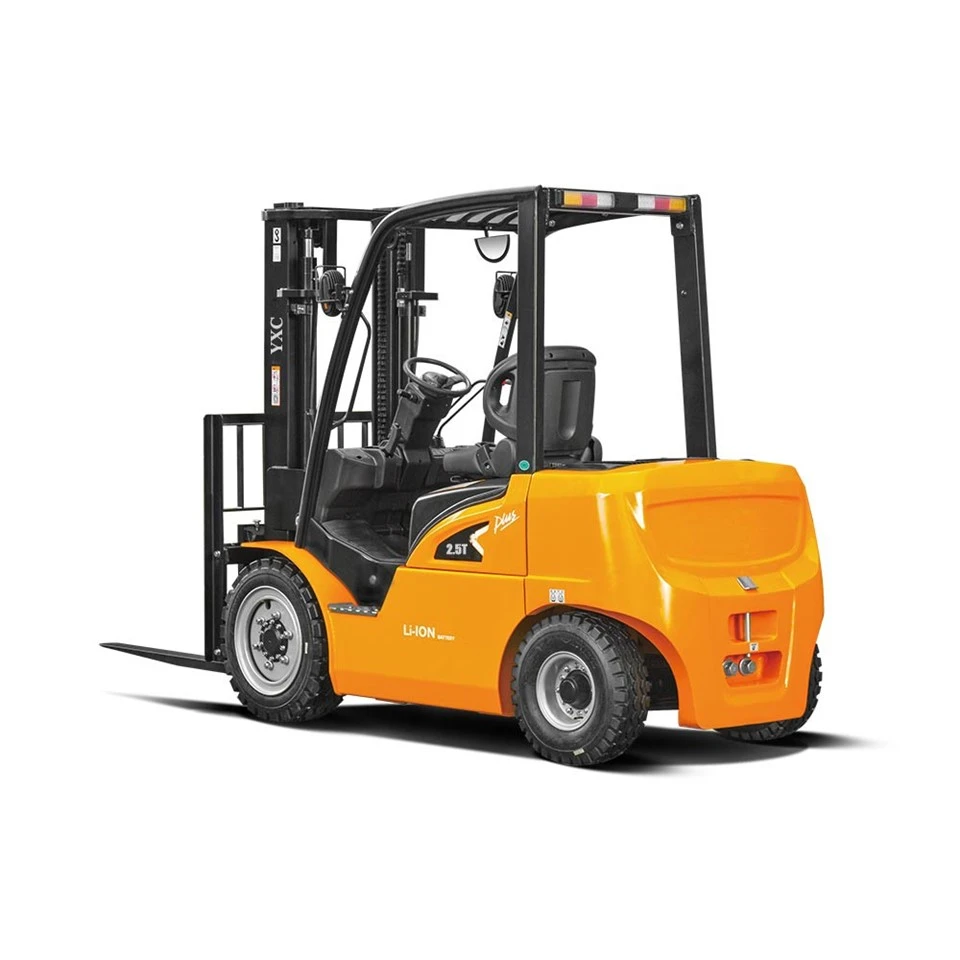
If you're dealing with a particularly heavy or uneven load, you might need to use counterweights. Counterweights are weights that are added to the back of the forklift to help balance the load. They can be especially useful when you're lifting a load that's concentrated on one side of the forklift.
Most forklifts come with built-in counterweights, but you can also add additional counterweights if needed. Just make sure you follow the manufacturer's instructions and don't exceed the maximum weight capacity of your forklift.
Lifting the Load
Now that you've adjusted the forks and added any necessary counterweights, it's time to lift the load. When you're lifting an uneven load, it's important to go slowly and carefully. Use the controls on your forklift to lift the load smoothly and steadily.
As you're lifting the load, keep an eye on the stability of the forklift. If you notice any signs of instability, such as the forklift leaning to one side or the wheels starting to lift off the ground, stop immediately and lower the load.
Moving the Load
Once you've lifted the load, it's time to move it to its destination. When you're moving an uneven load, it's important to go slowly and avoid sudden movements. Make sure you have a clear path and that there are no obstacles in your way.
If you need to turn, do it slowly and carefully. Avoid making sharp turns, as this can cause the load to shift and become unstable. When you're backing up, use your mirrors and be extra cautious.
Lowering the Load
When you reach your destination, it's time to lower the load. Again, go slowly and carefully. Use the controls on your forklift to lower the load smoothly and steadily.
As you're lowering the load, make sure it's centered on the pallet or the surface where you're placing it. If the load is not centered, it might tip over when you release the forks.
Post-Operation Checks
After you've finished moving the load, it's important to do a post-operation check of your forklift. This includes checking the forks, the hydraulic system, and the tires for any signs of damage or wear. Make sure everything is in good working order before you put the forklift away.

Conclusion
Handling uneven loads with a forklift can be a challenge, but it's not impossible. By following these tips and tricks, you can safely and efficiently move uneven loads with your forklift. Remember, safety should always be your top priority. If you're not sure how to handle a particular load, don't hesitate to ask for help.
If you're in the market for a new forklift or need to replace an old one, we've got you covered. We offer a wide range of forklifts, including the Battery Forklift Lithium, which is a great option for those looking for a more environmentally friendly and efficient forklift.
So, what are you waiting for? Contact us today to learn more about our forklifts and how we can help you with your material handling needs. We're here to answer your questions and provide you with the best possible service.
References
- Forklift Operator's Manual
- Occupational Safety and Health Administration (OSHA) Guidelines for Forklift Operation