


Hey there! As a supplier of Walkie Pallet Stackers, I often get asked one question: "How long does the battery of a Walkie Pallet Stacker last?" Well, it's not a straightforward answer, and there are quite a few factors to consider. So, let's dive right in and explore this topic in detail.
Understanding the Basics of Walkie Pallet Stacker Batteries
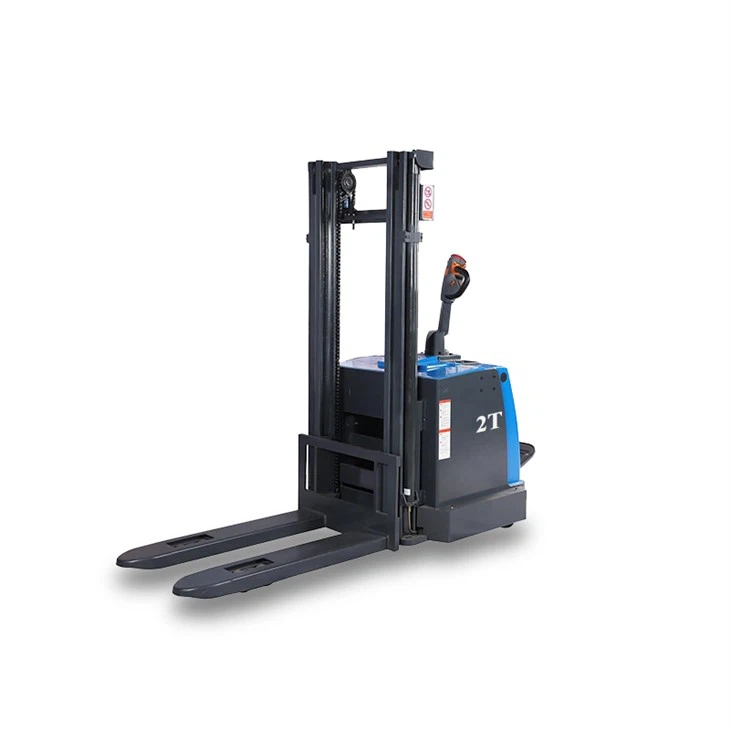
First things first, Walkie Pallet Stackers are super handy machines used in warehouses, distribution centers, and other industrial settings. They're designed to lift and move pallets around, making the work a whole lot easier. And just like any other electric device, they rely on batteries to function.
Most Walkie Pallet Stackers come with lead - acid batteries. These batteries are popular because they're relatively affordable and can provide a decent amount of power. However, there are also some models that use lithium - ion batteries. Lithium - ion batteries are more expensive upfront, but they have a longer lifespan, charge faster, and are lighter.
Factors Affecting Battery Life
1. Usage Patterns
How you use the Walkie Pallet Stacker plays a huge role in how long the battery lasts. If you're using it constantly throughout the day, lifting heavy loads and traveling long distances, the battery is going to drain faster. On the other hand, if you only use it occasionally for light tasks, the battery will last longer.
For example, in a busy distribution center where the Walkie Pallet Stacker is in use almost non - stop during the shift, the battery might need to be recharged after 4 - 6 hours. But in a small warehouse where the machine is used for just a few short tasks each day, the battery could last for several days before needing a recharge.
2. Load Capacity
The weight of the pallets you're lifting also affects the battery life. Lifting heavier loads requires more power from the battery. If you regularly lift pallets that are close to or at the maximum load capacity of the Walkie Pallet Stacker, the battery will drain more quickly compared to when you're lifting lighter loads.
Let's say you have a 1.5 Ton Electric Stacker Truck. If you're constantly lifting 1.5 - ton pallets, the battery will work harder and run out of juice faster than if you're mostly lifting half - ton pallets.
3. Battery Type and Quality
As I mentioned earlier, lead - acid and lithium - ion are the two main types of batteries used in Walkie Pallet Stackers. Lead - acid batteries typically have a shorter lifespan and need more maintenance. If you don't take good care of them, like not charging them properly or letting them sit in a discharged state for too long, their performance will degrade over time, and they'll have a shorter runtime.
Lithium - ion batteries, on the other hand, are more durable and can handle more charge - discharge cycles. A high - quality lithium - ion battery can last up to 2 - 3 times longer than a lead - acid battery, depending on usage.
4. Operating Conditions
The environment in which the Walkie Pallet Stacker operates also matters. Extreme temperatures, whether it's too hot or too cold, can affect the battery's performance. In cold temperatures, the chemical reactions inside the battery slow down, reducing its capacity and runtime. In very hot temperatures, the battery can overheat, which can also damage it and shorten its lifespan.
For instance, if you're using the Walkie Pallet Stacker in a freezer warehouse, you might notice that the battery doesn't last as long as it would in a normal - temperature environment.
Average Battery Lifespan and Runtime
On average, a lead - acid battery in a Walkie Pallet Stacker can last anywhere from 1.5 to 3 years, depending on how it's used and maintained. As for runtime, a fully charged lead - acid battery can power the stacker for about 3 - 8 hours of continuous use, again depending on the factors we discussed earlier.
Lithium - ion batteries, however, can have a lifespan of 5 - 7 years or even longer. They can also provide a longer runtime, often up to 10 - 12 hours of continuous use on a single charge.
Tips to Extend Battery Life
1. Proper Charging
Make sure to follow the manufacturer's instructions when charging the battery. Overcharging or undercharging can damage the battery. For lead - acid batteries, it's important to fully charge them after each use and avoid leaving them in a partially charged state for long periods.
2. Regular Maintenance
Keep the battery terminals clean and free from corrosion. For lead - acid batteries, check the water level regularly and add distilled water if necessary.
3. Optimize Usage
Try to use the Walkie Pallet Stacker efficiently. Plan your tasks in advance to minimize unnecessary movements and avoid overloading the machine.
Why Choose Our Walkie Pallet Stackers
At our company (as a supplier), we offer a wide range of Walkie Pallet Stackers with different battery options to suit your needs. We only source high - quality batteries, whether it's lead - acid or lithium - ion, to ensure that our customers get the best performance and longest battery life possible.
Our Electric Stacker Pallet Jack is designed with energy - efficient features that help to extend the battery runtime. We also provide detailed user manuals and after - sales support to help you take care of your battery and stacker.
Contact Us for Your Purchase
If you're in the market for a Walkie Pallet Stacker and want to learn more about our products, battery options, and how we can help you meet your needs, don't hesitate to reach out. We're always ready to assist you in making the right choice for your business. Whether you have questions about battery life, pricing, or product specifications, we've got you covered. Let's have a chat and discuss how our Walkie Pallet Stackers can improve your operations.

References
- Industrial Battery Handbook, various editions
- Manufacturer's manuals for Walkie Pallet Stackers