


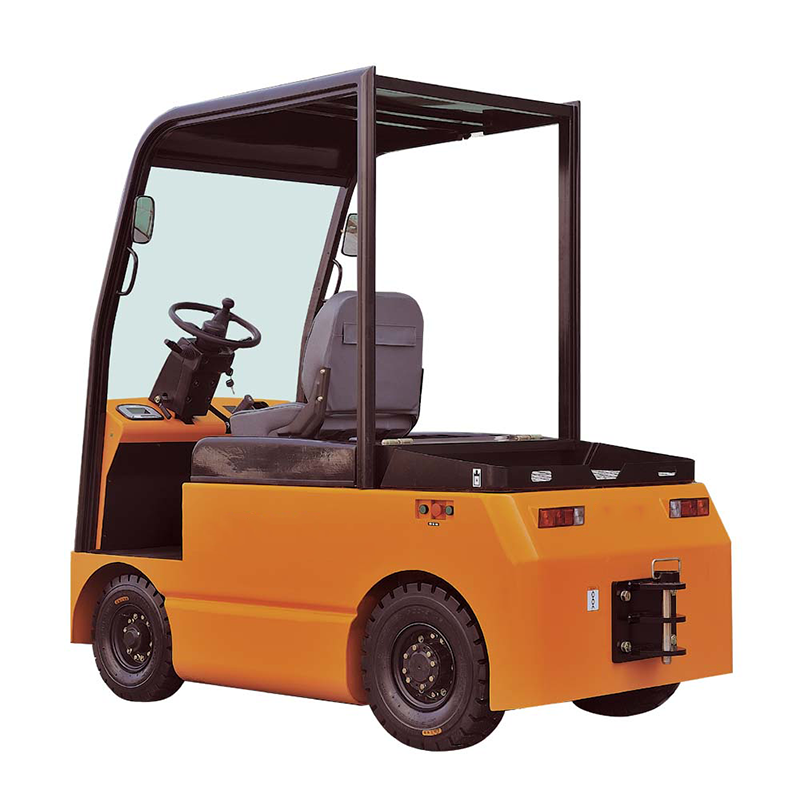
In the dynamic world of agricultural and industrial machinery, electric small tractors have emerged as a versatile and eco - friendly solution. As a supplier of electric small tractors, I've witnessed firsthand the diverse applications and the significant impact that different attachments can have on the power output of these machines.
Understanding Electric Small Tractors
Electric small tractors are designed to offer a balance between power and maneuverability. They are powered by electric motors, which provide a clean and efficient alternative to traditional fuel - powered engines. These tractors are commonly used in small - scale farming, landscaping, and light industrial applications. The power output of an electric small tractor is typically measured in kilowatts (kW) or horsepower (hp), and it determines the tractor's ability to perform various tasks.
The base power output of an electric small tractor is determined by its motor design, battery capacity, and overall electrical system. A well - designed electric small tractor can have a power output ranging from a few kilowatts to over 20 kW, depending on the model. This power is used to drive the wheels, operate hydraulic systems, and power additional attachments.
Impact of Different Attachments on Power Output
Plows and Tillers
Plows and tillers are essential attachments for preparing soil in agricultural applications. When a plow or tiller is attached to an electric small tractor, the power demand increases significantly. The tractor needs to overcome the resistance of the soil as the plow cuts through it or the tiller breaks up the ground.
The power required depends on the depth and width of the plowing or tilling operation. For example, a shallow plowing operation at a narrow width may only require a moderate increase in power, while deep plowing over a wide area can push the tractor to its power limits. In some cases, the tractor may need to operate at a lower speed to maintain sufficient power for the attachment. This is because the power output of an electric motor is related to both speed and torque, and at lower speeds, the motor can generate higher torque to handle the heavy load.
Mowers
Mowers are another common attachment for electric small tractors, used in lawn care and grass management. The power demand of a mower depends on the type of grass, the cutting width, and the cutting height. A thick and tall grass requires more power to cut compared to short and thin grass.

A wide - width mower also needs more power as it covers a larger area with each pass. When the tractor is equipped with a mower, the power output is mainly used to drive the cutting blades. The electric motor has to spin the blades at a high speed to ensure a clean cut. Additionally, the tractor needs to move forward at a suitable speed, which also consumes power. In some cases, if the grass is too thick or the mower width is too large, the tractor may experience a drop in speed or even stall if the power demand exceeds the tractor's capacity.
Loaders and Forklifts
Loaders and forklifts are used for lifting and moving heavy objects in industrial and agricultural settings. When a loader or forklift attachment is added to an electric small tractor, the power output is primarily used for lifting and lowering the load, as well as for moving the tractor with the load.
The power required for lifting depends on the weight of the load. A heavier load needs more power to be lifted to a certain height. The hydraulic system of the loader or forklift is powered by the tractor's electrical system, and it requires a significant amount of power to operate the hydraulic cylinders. Moreover, moving the tractor with a heavy load also increases the power demand as the tractor has to overcome the inertia and friction of the load.
Seeders and Spreaders
Seeders and spreaders are used for sowing seeds and spreading fertilizers or pesticides. These attachments generally have a lower power demand compared to plows, tillers, mowers, and loaders. The power is mainly used to drive the metering mechanism that controls the flow of seeds or materials.
However, the power demand can still vary depending on the type of material being spread and the spreading rate. For example, spreading a heavy and dense fertilizer may require more power than spreading light seeds. Also, a higher spreading rate means more material is being dispensed per unit time, which can increase the power demand slightly.
Managing Power Output with Attachments
As a supplier of electric small tractors, we understand the importance of managing power output when using different attachments. One way to ensure optimal performance is to match the tractor's power output with the power requirements of the attachment. Before purchasing an attachment, customers should carefully consider the power rating of their tractor and the power demand of the attachment.
We also recommend regular maintenance of both the tractor and the attachments. A well - maintained tractor will have a more efficient electrical system, which can help in delivering consistent power. Similarly, properly maintained attachments will operate more smoothly, reducing the unnecessary power consumption.
In some cases, customers may need to upgrade their tractor's battery or electrical system to handle high - power attachments. This can increase the overall power capacity of the tractor and allow it to operate more effectively with heavy - duty attachments.
Conclusion
The power output of an electric small tractor varies significantly with different attachments. Each attachment has its own unique power requirements based on its function and the task it performs. As a supplier, we are committed to providing our customers with the best - suited electric small tractors and attachments. We offer a wide range of Electric Small Tractor models with different power outputs to meet the diverse needs of our customers.
If you are interested in learning more about how our electric small tractors can work with different attachments or if you are considering a purchase, we encourage you to contact us for a detailed discussion. Our team of experts is ready to assist you in finding the perfect solution for your agricultural or industrial needs. Whether you need a tractor for plowing, mowing, or other tasks, we have the knowledge and products to help you make an informed decision.
References
- Smith, J. (2018). Agricultural Machinery Power Requirements. Journal of Agricultural Engineering, 25(3), 123 - 135.
- Johnson, A. (2019). Electric Tractors: Performance and Efficiency. Industrial Machinery Review, 32(2), 45 - 56.
- Brown, C. (2020). Attachment Compatibility with Electric Small Tractors. Agricultural Technology Magazine, 18(4), 78 - 85.