


Hey there! I'm from a reach truck supplier, and today I wanna chat about how a reach truck's hydraulic system works. It's a pretty cool and crucial part of these machines, so let's dive right in.
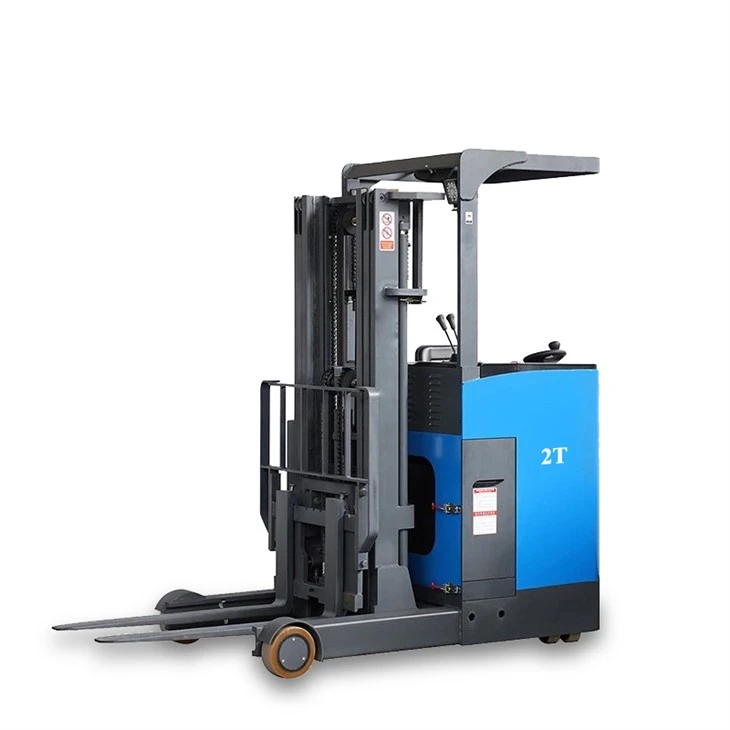
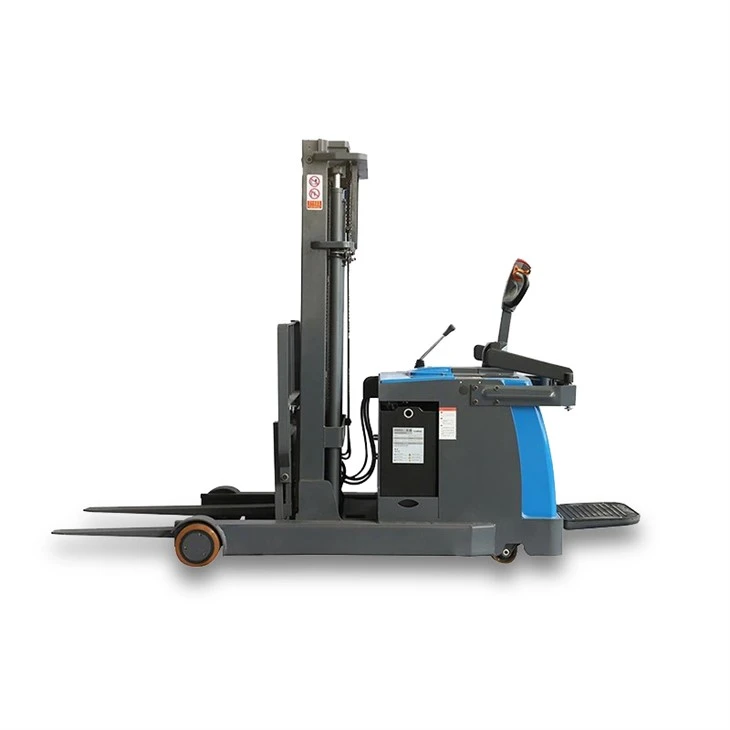
First off, what's a reach truck? Well, it's a type of forklift designed for narrow - aisle warehouses. It can extend its forks forward to reach pallets stored deep in the racks. And the hydraulic system is what makes a lot of its movements possible.
Let's start with the basics of hydraulics. The whole concept is based on Pascal's law. This law says that when you apply pressure to a confined fluid, the pressure is transmitted equally in all directions. In a reach truck, the fluid we're talking about is usually hydraulic oil.
The main components of a reach truck's hydraulic system include the hydraulic pump, hydraulic cylinders, valves, and the hydraulic fluid reservoir.
The hydraulic pump is like the heart of the system. It's powered by the truck's engine or electric motor. The pump sucks in hydraulic oil from the reservoir and then pressurizes it. There are different types of pumps used in reach trucks, like gear pumps and piston pumps. Gear pumps are simple and reliable. They use two meshing gears to move the oil. Piston pumps, on the other hand, are more efficient and can generate higher pressures. They use pistons that move back and forth inside cylinders to create the pressure.
Once the oil is pressurized by the pump, it's sent through a series of pipes and hoses to the hydraulic cylinders. These cylinders are what actually do the work of moving the parts of the reach truck. For example, there are cylinders that control the lifting and lowering of the forks. When the pressurized oil enters a cylinder, it pushes against a piston inside. The piston is connected to a rod, and as the piston moves, the rod extends or retracts. This movement is then transferred to the forks, causing them to go up or down.
There are also cylinders for other functions, like extending and retracting the mast. The mast is the vertical structure that supports the forks. When you need to reach a pallet further back in the rack, the hydraulic system extends the mast forward. This is done by sending pressurized oil to the appropriate cylinders that are connected to the mast's moving parts.
Valves play a really important role in the hydraulic system. They control the flow of the hydraulic oil. There are different types of valves, such as directional control valves, pressure control valves, and flow control valves.
Directional control valves determine where the pressurized oil goes. They can direct the oil to different cylinders depending on what function you want the reach truck to perform. For example, if you want to lift the forks, the directional control valve will send the oil to the lifting cylinders.
Pressure control valves make sure that the pressure in the system doesn't get too high. If the pressure exceeds a certain limit, these valves will open and release some of the oil back to the reservoir. This protects the system from damage.
Flow control valves regulate the speed at which the oil flows. This is important because it allows you to control the speed of the movements of the reach truck. For example, you might want the forks to lift slowly when you're handling a delicate load.
Now, let's talk about some of the reach trucks we offer. We have the Pedal Stand - up Reach Truck. This one is great for operators who need to be on their feet and move quickly around the warehouse. Its hydraulic system is designed for smooth and efficient operation, allowing for easy lifting and reaching.
Another great option is the 2.5 Ton Large Reach Electric Forklift. With its powerful hydraulic system, it can handle heavy loads with ease. The electric motor that powers the pump is not only environmentally friendly but also provides consistent power for the hydraulic functions.
And we also have the 2 Ton Electric Reach Truck. It's a versatile machine suitable for a variety of warehouse tasks. Its hydraulic system is optimized for precision, so you can place pallets exactly where you need them.
Maintaining the hydraulic system is crucial for the performance and longevity of the reach truck. Regularly checking the hydraulic fluid level is important. If the fluid is low, it can cause the pump to work harder and potentially overheat. You also need to keep an eye on the quality of the fluid. Over time, the oil can break down and become contaminated with dirt and debris. When this happens, it's important to change the oil and clean the filters.
Inspecting the hoses and pipes for leaks is also a must. A leak can not only cause a loss of hydraulic pressure but also create a safety hazard. If you notice any signs of leakage, like wet spots or a drop in performance, it's important to get it fixed right away.
In conclusion, the hydraulic system of a reach truck is a complex but essential part of the machine. It allows the reach truck to perform all the functions that are necessary for efficient warehouse operations. Whether you're looking for a small, agile reach truck or a heavy - duty one, our range of reach trucks has got you covered.
If you're in the market for a reach truck and want to learn more about our products or have any questions about the hydraulic system or other features, don't hesitate to reach out to us. We're here to help you find the perfect reach truck for your business needs. Let's have a chat and see how we can make your warehouse operations more efficient.
References
- "Forklift Hydraulics: An Introduction" by Industrial Equipment Handbook
- "Hydraulic Systems in Material Handling Equipment" by Warehouse Technology Journal