


As a supplier of lurking cars, I've been frequently asked about the capabilities and behaviors of these advanced pieces of technology. One of the most common questions is whether lurking cars follow specific targets. In this blog post, I'll delve into this topic, exploring the science behind lurking cars and how they operate.
Understanding Lurking Cars
Lurking cars, also known as automated guided vehicles (AGVs), are self - propelled vehicles that are designed to move materials or perform tasks in a specific environment. They are widely used in various industries, including manufacturing, logistics, and warehousing. These vehicles are equipped with a range of sensors and control systems that allow them to navigate through their surroundings autonomously.
The primary function of lurking cars is to transport goods from one location to another within a defined area. They can follow pre - programmed routes, which are often set up using magnetic tapes, laser guidance, or vision systems. These routes are carefully planned to optimize the flow of materials and improve operational efficiency.
The Concept of Following Specific Targets
When we talk about lurking cars following specific targets, we need to distinguish between different scenarios. In a typical industrial setting, lurking cars are programmed to follow a set path to pick up and deliver goods at specific locations. These locations are the "targets" in the context of their operation. For example, in a warehouse, a lurking car might be programmed to go to a particular storage rack to pick up a pallet of goods and then deliver it to a shipping area.
However, the idea of following a moving, dynamic target is a more complex concept. In some advanced applications, lurking cars can be equipped with advanced tracking systems that allow them to follow a specific target. This could be a person wearing a special tracking device or another moving vehicle. For instance, in a large manufacturing plant, a lurking car might be used to follow a worker who is moving around the factory floor, carrying tools or parts as needed.
How Lurking Cars Track Targets
The ability of lurking cars to follow specific targets depends on the technology they are equipped with. There are several methods that can be used for target tracking:
Sensor - Based Tracking
Lurking cars can use a variety of sensors, such as infrared sensors, ultrasonic sensors, and LiDAR (Light Detection and Ranging). Infrared sensors can detect the heat signature of a target, which is useful for tracking living beings. Ultrasonic sensors work by emitting sound waves and measuring the time it takes for the waves to bounce back from an object. LiDAR, on the other hand, uses laser light to create a 3D map of the surrounding environment. By analyzing the data from these sensors, the lurking car can identify and track a target.
Vision - Based Tracking
Many modern lurking cars are equipped with cameras. These cameras can capture images of the environment and use computer vision algorithms to identify and track targets. For example, a camera can be trained to recognize a specific color, shape, or pattern. Once the target is identified, the lurking car can adjust its path to follow it.
Radio Frequency Identification (RFID)
RFID technology can also be used for target tracking. A target can be tagged with an RFID tag, and the lurking car can be equipped with an RFID reader. The reader can detect the signal from the tag and determine the location of the target. This method is particularly useful in indoor environments where line - of - sight tracking might be challenging.
Applications of Lurking Cars Following Specific Targets
The ability of lurking cars to follow specific targets has a wide range of applications:
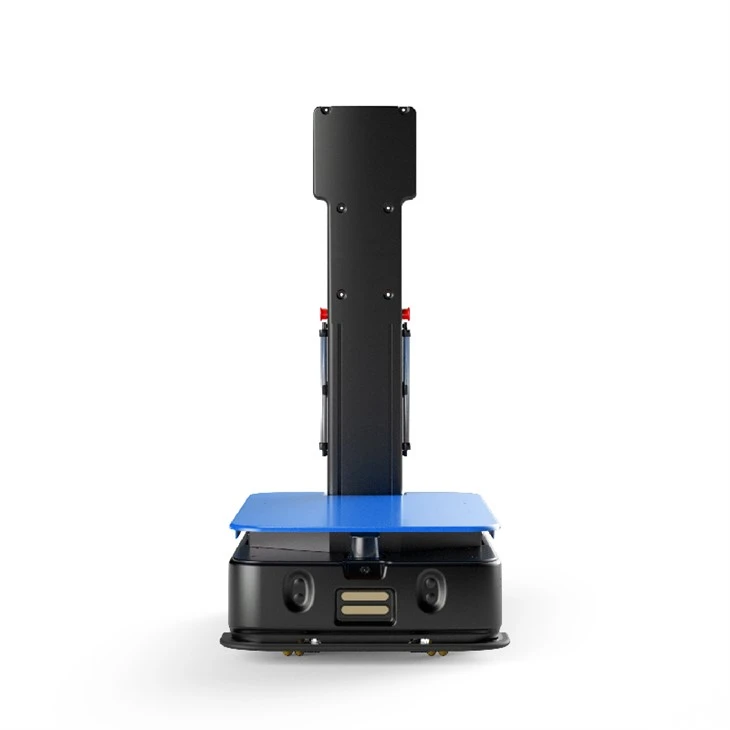
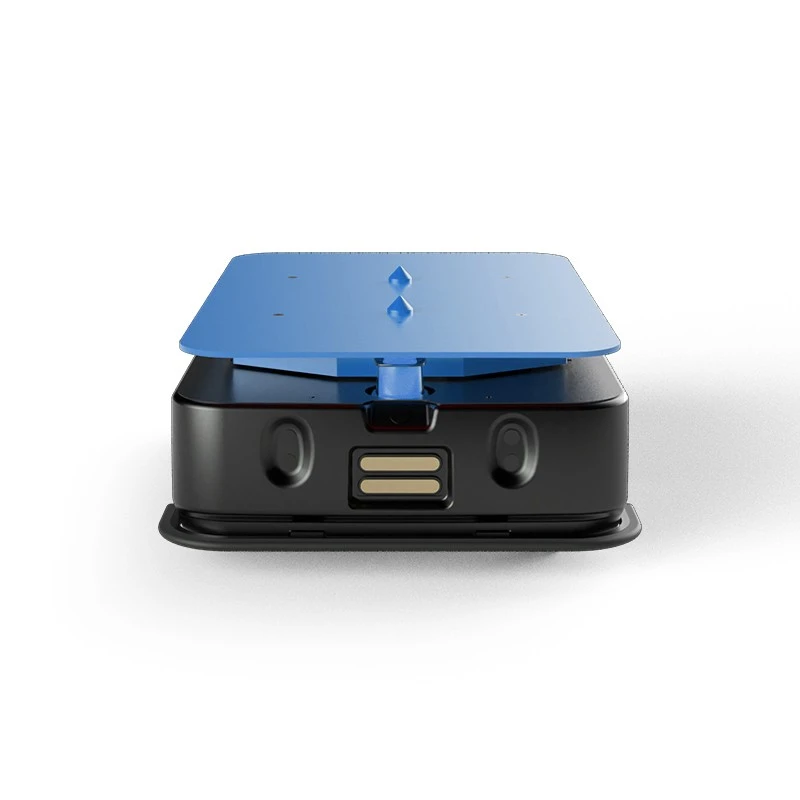
Logistics and Warehousing
In a large warehouse, lurking cars can follow workers who are picking orders. This can significantly improve the efficiency of the order - picking process. The lurking car can carry a cart or container, and the worker can simply place the picked items into it as they move around the warehouse. This reduces the time and effort required for the worker to transport the items back and forth.
Manufacturing
In a manufacturing plant, lurking cars can follow assembly workers, providing them with the necessary parts and tools at the right time. This just - in - time delivery system can improve the productivity of the manufacturing process and reduce the amount of inventory on the factory floor.
Healthcare
In a hospital setting, lurking cars can be used to follow medical staff, carrying medical supplies or equipment. This can free up the time of the medical staff, allowing them to focus more on patient care.
Limitations and Challenges
While the technology for lurking cars to follow specific targets is advancing, there are still some limitations and challenges:
Environmental Factors
The performance of the tracking systems can be affected by environmental factors. For example, in a dusty or dirty environment, sensors and cameras might not work as effectively. Similarly, in an environment with a lot of electromagnetic interference, RFID systems might experience signal disruptions.
Complexity of Target Movement
If the target moves in a very complex or unpredictable way, it can be challenging for the lurking car to keep up. For example, if a person is running or changing direction rapidly, the tracking system might have difficulty maintaining a stable lock on the target.
Safety Concerns
When lurking cars are following specific targets, there is a potential safety risk. If the tracking system malfunctions, the lurking car might collide with the target or other objects in the environment. Therefore, it is essential to have proper safety mechanisms in place, such as emergency stop buttons and collision avoidance systems.
The Future of Lurking Cars Following Specific Targets
The future looks promising for the development of lurking cars that can follow specific targets. As technology continues to advance, we can expect to see more sophisticated tracking systems and improved algorithms. For example, artificial intelligence and machine learning algorithms can be used to improve the accuracy of target tracking and the ability of the lurking car to adapt to different situations.
Moreover, the integration of different tracking technologies can also enhance the performance of the lurking cars. For instance, combining LiDAR with vision - based tracking can provide a more comprehensive and accurate view of the environment.
If you are interested in learning more about how lurking cars can be used to follow specific targets in your industry, you can visit Robots Used in Transportation and Abb Robot Transport Position for more detailed information.
Contact for Purchase and Consultation
If you are considering integrating lurking cars into your operations, whether for simple material transportation or for following specific targets, I encourage you to reach out for a consultation. Our team of experts can provide you with detailed information about our products, their capabilities, and how they can be customized to meet your specific needs. We are committed to helping you find the best solution for your business, improving your efficiency, and reducing costs.
References
- Smith, J. (2020). "Automated Guided Vehicles: Technology and Applications." Industrial Robotics Journal.
- Johnson, A. (2019). "Target Tracking Systems for Mobile Robots." Robotics and Automation Review.
- Brown, C. (2021). "The Future of Logistics with Automated Guided Vehicles." Logistics Management Magazine.