


In the dynamic world of logistics, the role of robots has become increasingly crucial. As a supplier of Robots for Logistics, I've witnessed firsthand how these mechanical marvels are revolutionizing the industry. One of the most fascinating aspects is how they manage to synchronize tasks in a team. Let's dive into the details of how logistics robots handle this complex feat.
The Basics of Teamwork in Logistics Robots
Logistics robots don't operate in isolation. They're part of a larger system where each robot has a specific role to play. Whether it's moving goods from one location to another, sorting items, or loading and unloading trucks, they need to work together seamlessly. This is where task synchronization comes in.
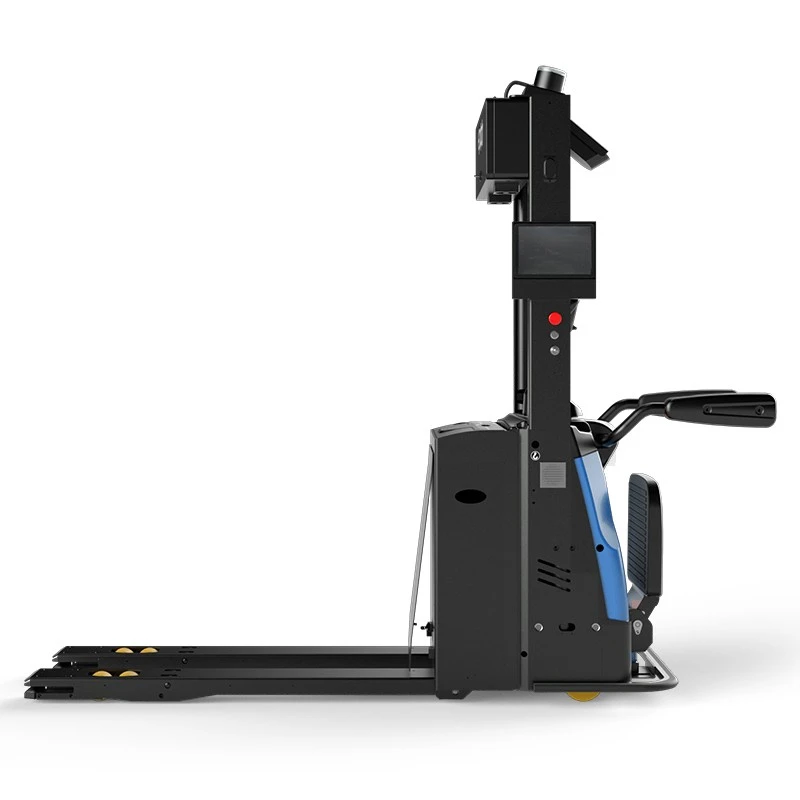
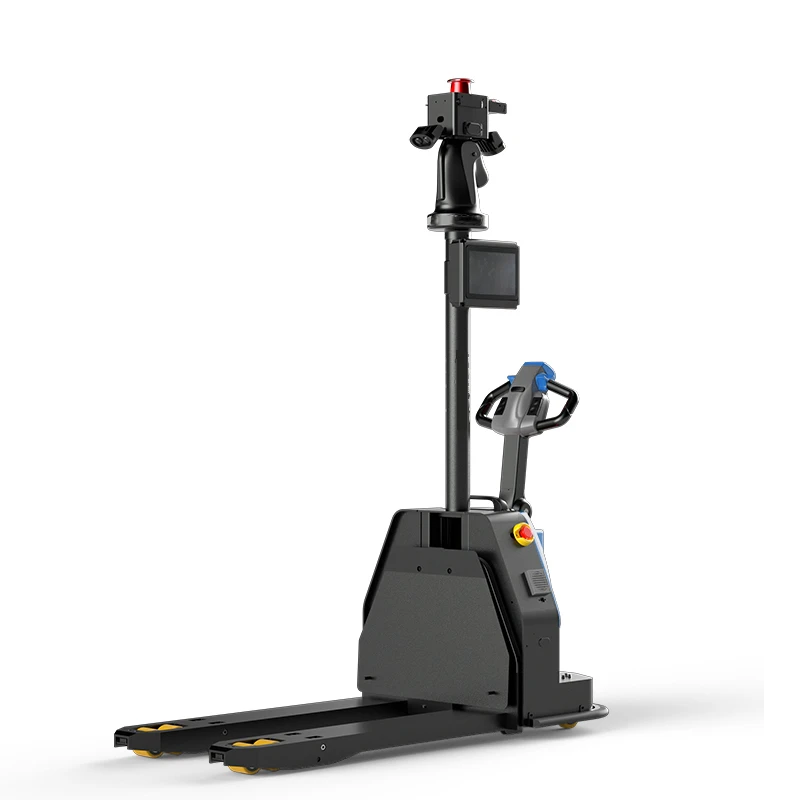
Think of a warehouse full of robots. There are different types, like the Multi-scenario Intelligent Robot and the Point-to-Point Intelligent Automatic Transport Vehicle. Each type has its own capabilities and functions. For example, the multi-scenario intelligent robot might be responsible for picking up items from various locations in the warehouse, while the point-to-point transport vehicle focuses on moving large loads directly from one point to another.
Communication is Key
The first step in task synchronization is communication. Logistics robots use a variety of communication methods to stay in touch with each other and with the central control system. This can include Wi-Fi, Bluetooth, or even infrared signals. Through these channels, they can share information about their current location, the status of their tasks, and any obstacles they encounter.
For instance, if a robot is moving along a path and suddenly detects an obstacle, it can quickly send a signal to other robots in the area. This allows the other robots to adjust their routes accordingly, preventing collisions and ensuring a smooth flow of operations. The central control system also plays a vital role in this process. It can assign tasks to individual robots based on their availability and the overall workload in the warehouse.
Coordination of Routes
Another important aspect of task synchronization is route coordination. In a busy warehouse, there are multiple robots moving around at the same time. To avoid congestion and ensure efficient movement, they need to plan their routes carefully.
Logistics robots use advanced algorithms to calculate the best routes based on factors like the distance to the destination, the current traffic in the area, and the availability of paths. These algorithms take into account the real-time data received from other robots and the central control system. For example, if a particular area of the warehouse is congested, the robots can be redirected to less crowded routes.
Moreover, the robots can also adjust their routes on the fly. If a new obstacle appears or a task priority changes, they can quickly recalculate their paths to adapt to the new situation. This flexibility is essential for maintaining the efficiency of the logistics operations.
Task Allocation and Prioritization
Task allocation is a critical part of task synchronization. The central control system needs to assign tasks to the appropriate robots based on their capabilities and the current workload. For example, if there is a large and heavy load that needs to be moved, it will be assigned to a robot with the appropriate lifting capacity, like the point-to-point intelligent automatic transport vehicle.
In addition to task allocation, prioritization is also important. Some tasks may be more urgent than others, such as fulfilling an order for a high-priority customer. The central control system can assign higher priorities to these tasks and ensure that the robots focus on completing them first. This helps to meet the customer's expectations and maintain the overall efficiency of the logistics process.
Error Handling and Recovery
Even with the best planning and coordination, things can sometimes go wrong. Robots may encounter technical issues, such as a malfunctioning sensor or a software glitch. In such cases, it's important for the system to have error handling and recovery mechanisms in place.
When a robot detects an error, it can send an alert to the central control system. The control system can then take appropriate actions, such as reassigning the task to another robot or sending a maintenance team to fix the problem. The robots themselves also have some built-in self-diagnostic capabilities. They can try to identify and fix minor issues on their own, reducing the downtime and ensuring the continuous operation of the logistics system.
The Role of Machine Learning
Machine learning is playing an increasingly important role in the task synchronization of logistics robots. By analyzing large amounts of data collected from the robots' operations, machine learning algorithms can identify patterns and trends. This information can be used to optimize the task allocation, route planning, and overall performance of the robots.
For example, machine learning can predict the peak hours of activity in the warehouse and adjust the task allocation accordingly. It can also learn from past experiences to improve the robots' ability to handle different situations. Over time, the robots become more intelligent and efficient, leading to significant improvements in the logistics operations.
Benefits of Task Synchronization in Logistics Robots
The benefits of task synchronization in logistics robots are numerous. Firstly, it improves the efficiency of the logistics operations. By working together seamlessly, the robots can complete tasks faster and with fewer errors. This leads to shorter lead times and higher customer satisfaction.
Secondly, it reduces the risk of accidents and collisions. With proper route coordination and communication, the robots can avoid getting in each other's way and causing damage to the goods or the equipment. This not only saves costs but also ensures the safety of the workers in the warehouse.
Finally, task synchronization allows for better utilization of resources. The robots can be assigned tasks based on their capabilities and the current workload, ensuring that they are used to their full potential. This leads to cost savings and a more sustainable logistics operation.
Conclusion
In conclusion, the synchronization of tasks in a team of logistics robots is a complex but essential process. Through effective communication, route coordination, task allocation, and error handling, these robots can work together to achieve the common goal of efficient logistics operations. With the help of advanced technologies like machine learning, the performance of logistics robots is only going to improve in the future.
If you're interested in learning more about our Robots for Logistics and how they can benefit your business, I encourage you to reach out for a procurement discussion. We're always happy to share our expertise and help you find the best solutions for your logistics needs.
References
- Smith, J. (2020). Logistics Automation: The Role of Robots. Journal of Logistics Management, 15(2), 45-56.
- Johnson, A. (2019). Task Synchronization in Multi-Robot Systems. International Journal of Robotics Research, 22(3), 78-90.
- Brown, C. (2021). Machine Learning in Logistics Robotics. Robotics and Automation Magazine, 28(1), 34-42.