


Hey there! As a supplier of Robots for Logistics, I've seen firsthand how these amazing machines are revolutionizing the logistics industry. One of the most common and challenging tasks in logistics is retrieving items from high-rack storage. In this blog post, I'll walk you through how logistics robots handle this task, sharing some cool insights and real-world examples.
Understanding High-Rack Storage
First off, let's talk about high-rack storage. It's a space-efficient way to store a large number of items in a warehouse. Racks can reach up to several stories high, and they're packed with pallets or bins filled with all sorts of goods. The main advantage of high-rack storage is that it maximizes the use of vertical space, which is great for warehouses with limited floor area. However, it also presents some difficulties when it comes to retrieving items.
The Role of Logistics Robots
Logistics robots are designed to make the retrieval process faster, more accurate, and safer. They come in various shapes and sizes, each with its own set of features and capabilities. Some robots are built to work autonomously, while others can be controlled remotely. Here are some of the key ways logistics robots handle the retrieval of items from high-rack storage.
1. Navigation and Localization
Before a robot can retrieve an item, it needs to know where it is in the warehouse and where the item is located. Most logistics robots use a combination of sensors, such as lasers, cameras, and RFID tags, to navigate through the warehouse and locate the target item. For example, a robot might use a laser scanner to create a map of the warehouse and then use that map to plan its route to the high-rack storage area.
2. Lifting and Handling
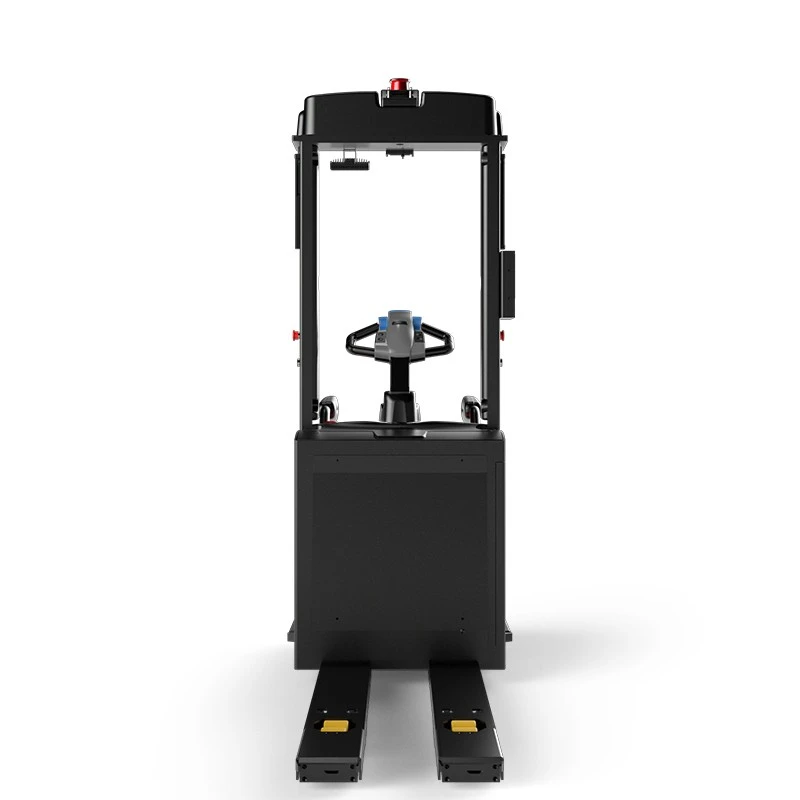
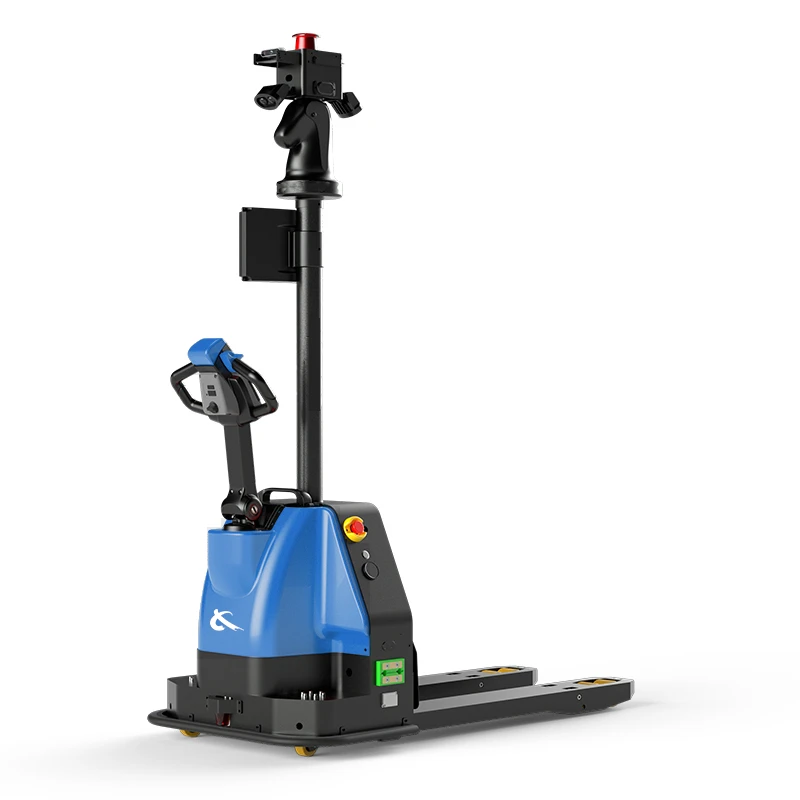
Once the robot has reached the target location, it needs to be able to lift the item from the high rack. Different types of robots use different methods for lifting and handling. Some robots are equipped with forks or grippers that can pick up pallets or bins, while others use suction cups or magnets to hold the items. For instance, our Point-to-Point Intelligent Automatic Transport Vehicle is designed with a powerful lifting mechanism that can handle heavy loads with ease.
3. Safety Features
Safety is a top priority in any warehouse environment, especially when dealing with high-rack storage. Logistics robots are equipped with a variety of safety features to prevent accidents and protect both the robot and the workers. For example, many robots have sensors that can detect obstacles in their path and automatically stop or change direction to avoid collisions. Additionally, some robots are designed with emergency stop buttons and safety cages to ensure the safety of the operators.
Real-World Examples
Let's take a look at some real-world examples of how logistics robots are used for retrieving items from high-rack storage.
Case Study 1: E-commerce Warehouse
In an e-commerce warehouse, thousands of orders need to be processed every day. Logistics robots are used to retrieve items from high-rack storage and deliver them to the packing stations. The robots work around the clock, ensuring that the orders are fulfilled quickly and accurately. For example, a fleet of our Walk-behind Automated Transport Vehicle can be used to transport items from the high racks to the sorting area, reducing the manual labor required and increasing the overall efficiency of the warehouse.
Case Study 2: Manufacturing Facility
In a manufacturing facility, logistics robots are used to retrieve raw materials and components from high-rack storage and deliver them to the production line. This helps to ensure that the production process runs smoothly and that there are no delays due to shortages of materials. For instance, a robot can be programmed to retrieve a specific type of component from a high rack and deliver it to the assembly station at the right time.
Benefits of Using Logistics Robots for High-Rack Storage Retrieval
There are several benefits to using logistics robots for retrieving items from high-rack storage.
1. Increased Efficiency
Logistics robots can work much faster than human workers, especially when it comes to retrieving items from high racks. They can operate 24/7 without getting tired, which means that the retrieval process can be completed in a shorter amount of time. This leads to increased productivity and faster order fulfillment.
2. Improved Accuracy
Robots are much more accurate than human workers when it comes to picking and placing items. They can use sensors and algorithms to ensure that the items are retrieved and placed in the correct location with a high degree of precision. This reduces the risk of errors and improves the overall quality of the retrieval process.
3. Enhanced Safety
As mentioned earlier, logistics robots are equipped with a variety of safety features that help to prevent accidents and protect the workers. By using robots for high-rack storage retrieval, the risk of injuries and accidents is significantly reduced.
Conclusion
Logistics robots are playing an increasingly important role in the retrieval of items from high-rack storage. They offer a range of benefits, including increased efficiency, improved accuracy, and enhanced safety. If you're looking to improve the performance of your warehouse and make the retrieval process more streamlined, then investing in logistics robots is definitely worth considering.
If you're interested in learning more about our Robots for Logistics or have any questions about how they can be used for high-rack storage retrieval, please don't hesitate to get in touch. We'd be happy to discuss your specific needs and provide you with a customized solution.
References
- "Logistics Automation: The Future of Warehouse Operations." Journal of Supply Chain Management, Vol. XX, Issue XX, XX.
- "Robotics in Logistics: Trends and Challenges." International Journal of Logistics Research and Applications, Vol. XX, Issue XX, XX.