


Hey there! I'm a supplier of pallet trucks, and I know how crucial it is to transport these bad boys safely. Whether you're a small business owner moving goods around your warehouse or a logistics pro handling large - scale shipments, getting the transportation of pallet trucks right is a must. In this blog, I'll share some tips on how to do it safely.
Pre - Transport Checks
Before you even think about moving a pallet truck, you've got to do a thorough check. First off, examine the forks. They should be straight and free from any cracks or bends. A damaged fork can't support the load properly and might cause the pallet truck to tip over during transportation. Check the wheels too. Make sure they roll smoothly and that the bearings aren't worn out. If the wheels are wobbly or have flat spots, it can make the pallet truck unstable.
The hydraulic system is another important part. Look for any signs of leaks. A leaky hydraulic system can lead to a loss of lifting power and could be a safety hazard. Check the hoses and connections as well. They should be tight and in good condition.
Also, don't forget to inspect the controls. The handle should move freely, and the buttons or levers for lifting and lowering should work properly. If there are any issues with the controls, it can be difficult to operate the pallet truck safely during transport.
Choosing the Right Transportation Method
The method you choose to transport your pallet truck depends on a few factors, like the size and weight of the truck, and the distance it needs to travel.
Local Transport
If you're moving the pallet truck within a short distance, like across your own warehouse or to a nearby facility, a forklift or a hand - operated pallet mover can be a good option. A forklift can easily lift the pallet truck and move it around. Just make sure the forklift operator is trained and experienced. They need to know how to handle the additional weight and size of the pallet truck.
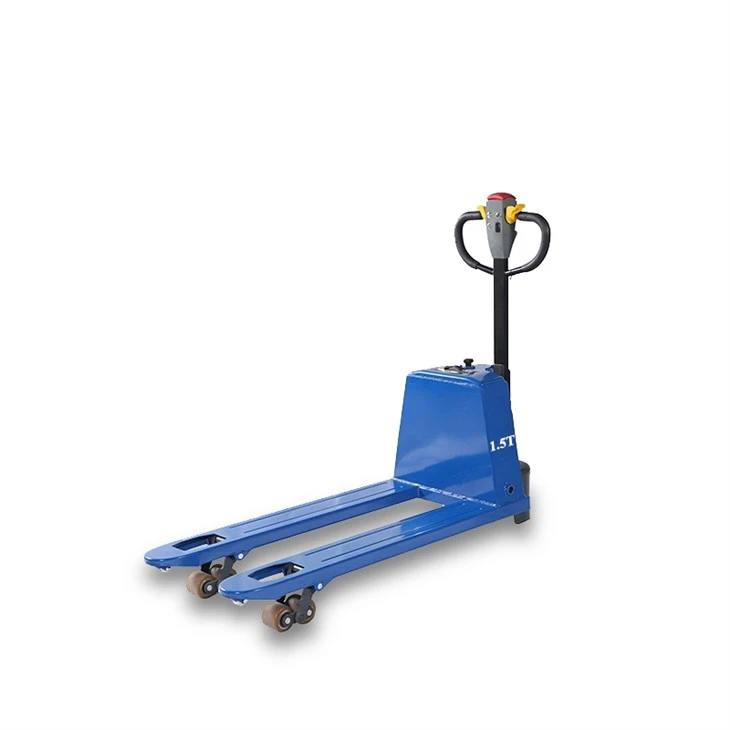

For short distances, you can also use a hand - operated pallet mover. It's a simple and cost - effective way to move the pallet truck. But keep in mind that it requires some physical effort, so make sure you or your staff are up for it.
Long - Distance Transport
For long - distance transport, you'll probably need to use a truck or a trailer. When loading the pallet truck onto the truck or trailer, use ramps if possible. This makes the loading process smoother and safer. Make sure the ramps are in good condition and can support the weight of the pallet truck.
Once the pallet truck is on the truck or trailer, secure it properly. You can use straps or chains to tie it down. Place the straps or chains around the frame of the pallet truck and attach them to the anchor points on the truck or trailer. Make sure they're tight so the pallet truck doesn't move during transit.
Loading and Unloading
Loading and unloading the pallet truck is a critical step. When loading, make sure the surface you're loading from and onto is level. An uneven surface can cause the pallet truck to tip over.
If you're using a forklift to load the pallet truck, position the forks of the forklift under the pallet truck's forks carefully. Make sure the forklift's forks are centered and that the pallet truck is balanced on the forklift. Lift the pallet truck slowly and steadily.
When unloading, reverse the process. Lower the pallet truck gently onto the surface. Make sure it's stable before removing the forklift's forks or any other lifting equipment.
In - Transit Safety
During transit, it's important to take some precautions to ensure the safety of the pallet truck. If you're transporting it on a truck or trailer, make sure the driver is aware of the load. The driver should drive carefully, avoiding sudden stops, starts, and turns. These can cause the pallet truck to shift and potentially fall off.
Also, if the pallet truck is exposed to the elements during transit, consider covering it with a tarp. This can protect it from rain, snow, and dirt, which can damage the components over time.
Special Considerations for Different Types of Pallet Trucks
We offer a variety of pallet trucks, each with its own unique features. Let's take a look at some special considerations for different types.
1.5 Ton Electric Transporter
The 1.5 Ton Electric Transporter is a powerful machine. When transporting it, pay special attention to the battery. Make sure it's fully charged before transport to avoid any issues. Also, the electrical components are sensitive, so protect them from moisture and impact.
Electric Walk Behind Pallet Jack
This type of pallet jack is more maneuverable but also more lightweight. When transporting it, make sure it's secured properly as it can be more easily moved around during transit. Check the battery and electrical connections as well.
3 Ton Pallet Truck
The 3 Ton Pallet Truck is heavy - duty. You'll need a more robust transportation method for it. When loading and securing it, use stronger straps or chains to handle the weight.
Training and Education
It's essential that everyone involved in the transportation of pallet trucks is properly trained. This includes forklift operators, truck drivers, and anyone else handling the loading and unloading. Training should cover safety procedures, how to operate the equipment, and how to handle emergencies.
By providing proper training, you can reduce the risk of accidents and ensure that the pallet trucks are transported safely.
Conclusion
Transporting pallet trucks safely is a multi - step process that requires careful planning, proper equipment, and trained personnel. By following the tips I've shared in this blog, you can minimize the risk of damage to the pallet trucks and keep your employees safe.
If you're in the market for high - quality pallet trucks or need more advice on their transportation, feel free to reach out. We're here to help you with all your pallet truck needs and can assist you in making the right choices for your business.
References
- Occupational Safety and Health Administration (OSHA) guidelines on material handling equipment.
- Industry best practices for transporting industrial equipment.