


Hey there! As a supplier of solid tires, I often get asked whether solid tires are more expensive than regular tires. Well, let's dig into this topic and break it down.
First off, let's understand what solid tires and regular tires are. Regular tires, the ones you see on most vehicles, are typically pneumatic. They're filled with air, which gives them flexibility and shock - absorbing capabilities. On the other hand, solid tires are made entirely of rubber or other solid materials, without any air inside.
When it comes to the upfront cost, solid tires usually do cost more than regular tires. The manufacturing process of solid tires is more complex. They require special molds and machinery to shape the solid rubber compound. Plus, the materials used in solid tires are often of higher quality to ensure durability and performance. For example, the rubber in solid tires needs to be able to withstand heavy loads and rough terrains without getting damaged easily.
Let's talk about the price factors in more detail. The raw materials for solid tires can be quite pricey. High - grade rubber, which is resistant to abrasion, heat, and chemicals, is a must. In addition, the production of solid tires involves more labor - intensive steps. Workers need to carefully monitor the curing process to make sure the tires have the right hardness and strength. All these factors contribute to the higher initial price tag.
However, we can't just look at the upfront cost. We also need to consider the long - term value. Regular tires, although cheaper at the start, have a shorter lifespan. They're more prone to punctures, blowouts, and wear and tear. You might find yourself having to replace them more frequently, especially if you're using your vehicle in harsh conditions. For instance, if you're operating a forklift in a construction site full of sharp objects, a regular pneumatic tire could get punctured in no time.
Solid tires, on the other hand, are extremely durable. They're puncture - proof, which means you don't have to worry about sudden flats. This can save you a lot of time and money in the long run. You won't have to stop your work to change a tire, and you won't have to keep buying new tires as often. In some industrial settings, the cost - effectiveness of solid tires becomes even more apparent. For example, in a warehouse where forklifts are in constant use, the reliability of solid tires can lead to increased productivity.
Now, let's take a look at some specific types of solid tires. We offer a range of options, like Light - duty Tires. These are great for vehicles that don't carry extremely heavy loads but still need a reliable tire. They're designed to provide a smooth ride and good traction.
Another option is Tires with Raised Rim Protector. These tires have an extra feature that protects the rim from damage. This can be very useful in environments where the rims are at risk of hitting curbs or other obstacles.
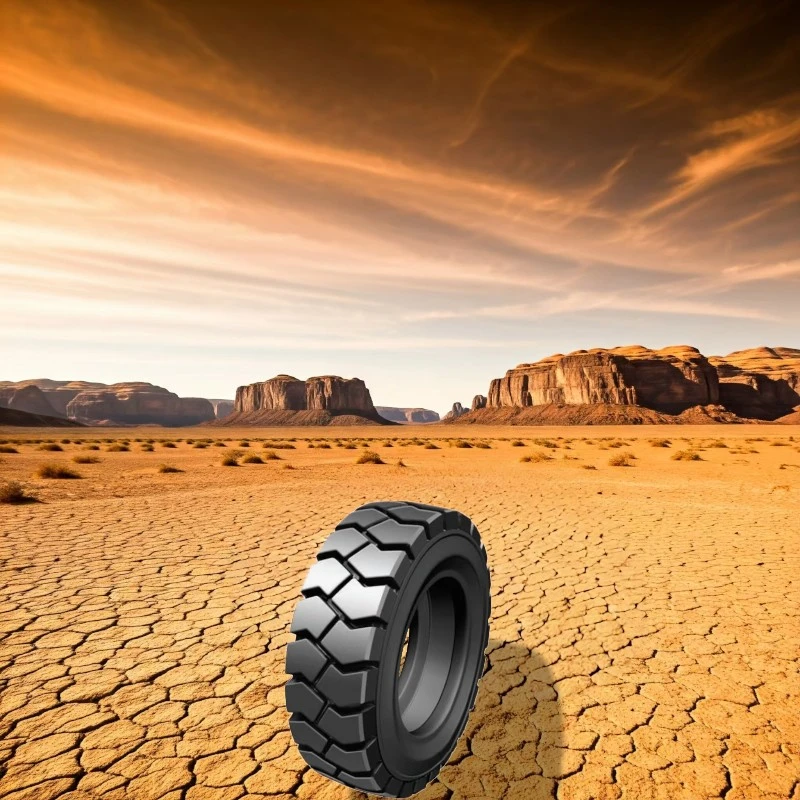

If you're into electric cars, we also have Best Low Rolling Resistance Tires for Electric Cars. Low rolling resistance means less energy is wasted as the tire rolls, which can improve the vehicle's energy efficiency and extend the battery life.
When it comes to choosing between solid and regular tires, it really depends on your specific needs. If you're looking for a cheap option for short - term use in a relatively safe environment, regular tires might be the way to go. But if you need a tire that can handle heavy loads, rough terrains, and continuous use, solid tires are definitely worth the investment.
In conclusion, while solid tires may be more expensive upfront, their long - term benefits often outweigh the initial cost. They offer durability, reliability, and can lead to cost savings in the long run. If you're in the market for high - quality solid tires, don't hesitate to reach out. We're here to help you find the perfect tire for your vehicle and your budget. Whether you're a small business owner or a large industrial operator, we have the right solid tire solutions for you.
References
- Industry reports on tire manufacturing and costs
- Internal research on solid tire performance and durability