


Hey there! As a supplier of pallet trucks, I've seen firsthand the importance of operating these machines safely. Manual pallet trucks are a staple in many warehouses and distribution centers, but if not used correctly, they can pose serious risks. In this blog post, I'll share some tips on how to operate a manual pallet truck safely.
Pre - operation Checks
Before you even think about using a manual pallet truck, it's crucial to conduct a thorough pre - operation check. This helps to identify any potential issues that could lead to accidents during use.
First, take a look at the wheels. Make sure they are in good condition, without any signs of excessive wear, cracks, or damage. Worn - out wheels can cause the pallet truck to become unstable, increasing the risk of tipping over. Also, check that the wheels rotate freely. If they're sticking or hard to turn, it could indicate a problem with the bearings or axles.
Next, inspect the forks. The forks should be straight and free from any bends or cracks. Any damage to the forks can affect their ability to support the load properly. Check the fork tips as well; they should be sharp enough to easily slide under pallets but not so sharp that they could cause injury.

Don't forget to examine the hydraulic system. Look for any signs of leaks, such as oil stains on the truck or on the floor. A leaky hydraulic system can lead to a loss of lifting power, which is obviously a big problem when you're trying to move heavy loads.
Loading the Pallet Truck
Once you've completed the pre - operation checks, it's time to load the pallet truck. First, position the truck correctly. Line up the forks with the openings in the pallet. Make sure the forks are centered under the pallet to ensure even weight distribution.
When sliding the forks under the pallet, do it slowly and steadily. Avoid forcing the forks if they don't seem to fit easily. There might be an issue with the pallet or the way it's stacked. In such cases, adjust the position of the pallet or the truck as needed.
Be careful not to overload the pallet truck. Each pallet truck has a maximum weight capacity, which is usually indicated on the machine. Overloading can not only damage the truck but also make it extremely unstable, increasing the risk of tipping over. If you're dealing with a very heavy load, consider using a more suitable option like our Electric Walk Behind Pallet Jack, which is designed to handle heavier loads with ease.
Lifting the Load
To lift the load, use the hydraulic pump handle. Pump the handle slowly and steadily. You'll notice the forks start to rise. Keep an eye on the load as you lift it. Make sure it remains stable and doesn't shift.
Don't lift the load higher than necessary. The higher the load is lifted, the more unstable the pallet truck becomes. Only lift the load high enough to clear the floor so that you can move it around.
Moving the Load
When moving the loaded pallet truck, always push it rather than pull it. Pushing gives you better control over the direction and speed of the truck. Keep your feet clear of the wheels to avoid getting your toes crushed.
Move at a reasonable speed. Don't rush, especially when turning corners or going over uneven surfaces. Sudden movements can cause the load to shift and the truck to tip over.
Be aware of your surroundings. Watch out for other workers, obstacles, and traffic in the area. Use your horn or make other audible signals if necessary to alert others of your presence.
Unloading the Pallet Truck
When you reach your destination, it's time to unload the pallet. First, lower the load slowly by releasing the hydraulic control valve. Make sure the pallet is placed on a stable surface.
Once the load is on the ground, carefully pull the forks out from under the pallet. Do this slowly to avoid any sudden movements that could cause the pallet to shift or fall.
Post - operation Maintenance
After you're done using the pallet truck, it's important to perform some post - operation maintenance. Clean the truck to remove any dirt, debris, or oil stains. This not only keeps the truck looking good but also helps to prevent corrosion.
Store the pallet truck in a dry and secure place. If possible, keep it off the floor to prevent damage to the wheels and forks.
Regularly lubricate the moving parts of the truck, such as the wheels, axles, and hydraulic pump. This helps to ensure smooth operation and extends the lifespan of the machine.
Additional Tips for Safety
- Wear appropriate personal protective equipment (PPE), such as safety shoes and gloves. Safety shoes can protect your feet from falling objects or being crushed by the pallet truck, while gloves can provide a better grip when handling the truck.
- If you're not experienced in operating a manual pallet truck, get some training first. Many accidents happen because operators don't know the proper procedures.
- Keep the area around the pallet truck clear. Don't leave tools, pallets, or other items in the way, as they can cause you to trip or collide with the truck.
Our Product Range
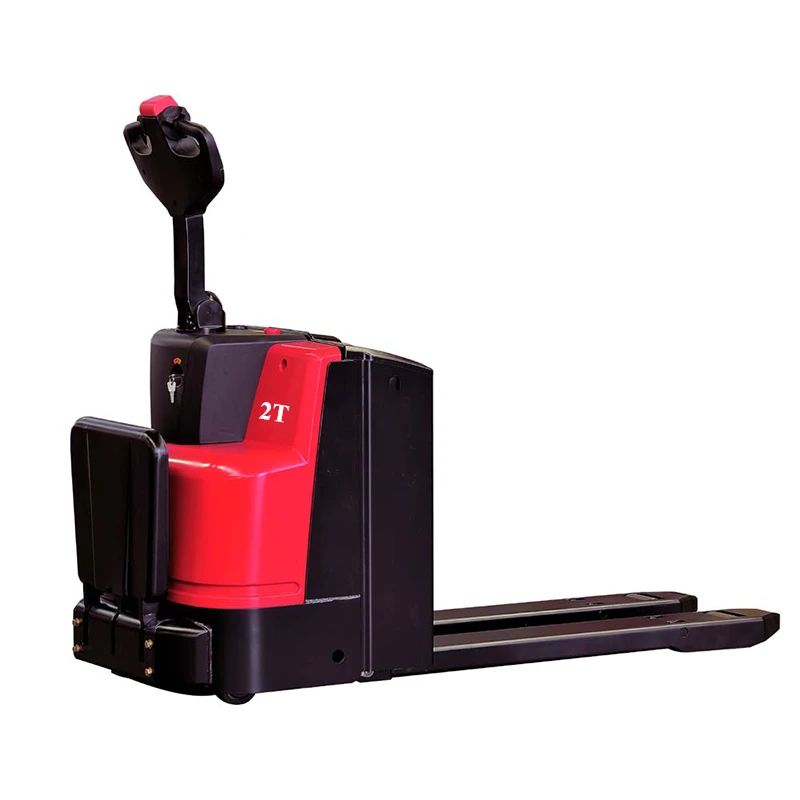
As a pallet truck supplier, we offer a wide range of products to meet your needs. In addition to the standard manual pallet trucks, we also have 2 Ton Electric Transporter and 3 Ton Pallet Truck. These electric options are great for handling heavier loads and can significantly increase productivity in your warehouse.
If you're interested in purchasing any of our pallet trucks or have any questions about their operation or safety, feel free to reach out to us. We're here to help you find the right solution for your business and ensure that you can operate your pallet trucks safely and efficiently.
Conclusion
Operating a manual pallet truck safely is all about following the right procedures, conducting regular checks, and being aware of your surroundings. By taking these steps, you can minimize the risk of accidents and ensure a smooth and productive operation in your warehouse. If you're in the market for a new pallet truck or need some advice on safety, don't hesitate to contact us. We're always happy to assist you.
References
- OSHA (Occupational Safety and Health Administration) guidelines on material handling equipment.
- Manufacturer's manuals for manual pallet trucks.