


As a leading supplier of pneumatic tires, I've witnessed firsthand the transformative impact these high - performance tires can have across various industries. Pneumatic tires, filled with compressed air, stand out from other types of tires due to their unique design and numerous advantages. In this blog, I'll delve into the key benefits of using high - performance pneumatic tires.
Superior Shock Absorption
One of the most significant advantages of high - performance pneumatic tires is their excellent shock - absorbing capabilities. The air inside the tire acts as a cushion, effectively reducing the impact of bumps, potholes, and uneven surfaces. This is crucial for both the equipment and the operators.
For example, in the construction industry, heavy machinery such as excavators often operate on rough and uneven terrain. Using Rubber Tire for Excavator, the pneumatic tires can absorb the shocks generated when the excavator moves over rocks or uneven ground. This not only protects the machine's components from excessive wear and tear but also provides a more comfortable and stable working environment for the operator. Reduced vibrations mean less fatigue for the operator, which can lead to increased productivity and fewer accidents.
In the material handling industry, forklifts are constantly moving loads around warehouses and distribution centers. Internal Combustion Forklift Tires with high - performance pneumatic design can absorb the shocks when the forklift picks up or sets down heavy loads. This helps to prevent damage to the goods being transported and ensures a smooth and safe operation.
Enhanced Traction
High - performance pneumatic tires offer superior traction on a variety of surfaces. The air - filled design allows the tire to conform to the shape of the ground, increasing the contact area between the tire and the surface. This results in better grip and reduced slippage.
On wet or slippery surfaces, pneumatic tires can channel water away through their tread patterns, maintaining traction and reducing the risk of hydroplaning. In outdoor applications, such as in agriculture or forestry, where the ground can be muddy or uneven, pneumatic tires provide the necessary grip to move heavy equipment safely.
For instance, in agricultural machinery like tractors, pneumatic tires enable better traction in the field. This is essential for tasks such as plowing, harvesting, and transporting crops. The improved traction allows the tractor to pull heavy implements without getting stuck, increasing the efficiency of farming operations.
In industrial settings, pneumatic tires on forklifts provide better traction on warehouse floors, whether they are made of concrete, asphalt, or other materials. This is important for maneuvering the forklift safely and precisely, especially when carrying heavy loads.
Load - Bearing Capacity
Pneumatic tires are designed to handle heavy loads effectively. The air pressure inside the tire distributes the weight of the vehicle or equipment evenly across the tire's surface. This allows high - performance pneumatic tires to support substantial loads without compromising on performance.
In the mining industry, large haul trucks require tires that can withstand extremely heavy loads. Steel Wire Tire is a type of high - performance pneumatic tire that uses steel wire reinforcement to enhance its load - bearing capacity. These tires can carry thousands of tons of ore or other materials, making them essential for the efficient operation of mining sites.
In the transportation industry, trucks and buses rely on pneumatic tires to carry passengers and cargo. The ability of pneumatic tires to handle heavy loads ensures the safe and reliable movement of goods and people over long distances.
Fuel Efficiency
Another advantage of high - performance pneumatic tires is their contribution to fuel efficiency. The low rolling resistance of pneumatic tires means that less energy is required to move the vehicle or equipment forward.
Rolling resistance is the force that resists the motion of the tire as it rolls on the surface. Pneumatic tires, with their air - filled design, have lower rolling resistance compared to solid tires. This means that the engine or power source of the vehicle or equipment doesn't have to work as hard to maintain speed, resulting in reduced fuel consumption.
For example, in the trucking industry, where fuel costs are a significant expense, using high - performance pneumatic tires can lead to substantial savings. A small reduction in rolling resistance can translate into significant fuel savings over the long - term, especially for trucks that cover long distances on a regular basis.
Customizability
High - performance pneumatic tires offer a high degree of customizability. Tire manufacturers can adjust various parameters such as the tread pattern, rubber compound, and tire size to meet the specific needs of different applications.
Tread patterns can be designed for specific terrains and conditions. For example, tires for off - road applications may have deep, aggressive treads to provide better traction on rough and uneven surfaces, while tires for highway use may have a smoother tread pattern to reduce noise and improve fuel efficiency.
The rubber compound can also be tailored to enhance certain properties. For instance, a tire used in high - temperature environments may have a rubber compound that is more resistant to heat, while a tire for cold - weather conditions may have a compound that remains flexible at low temperatures.
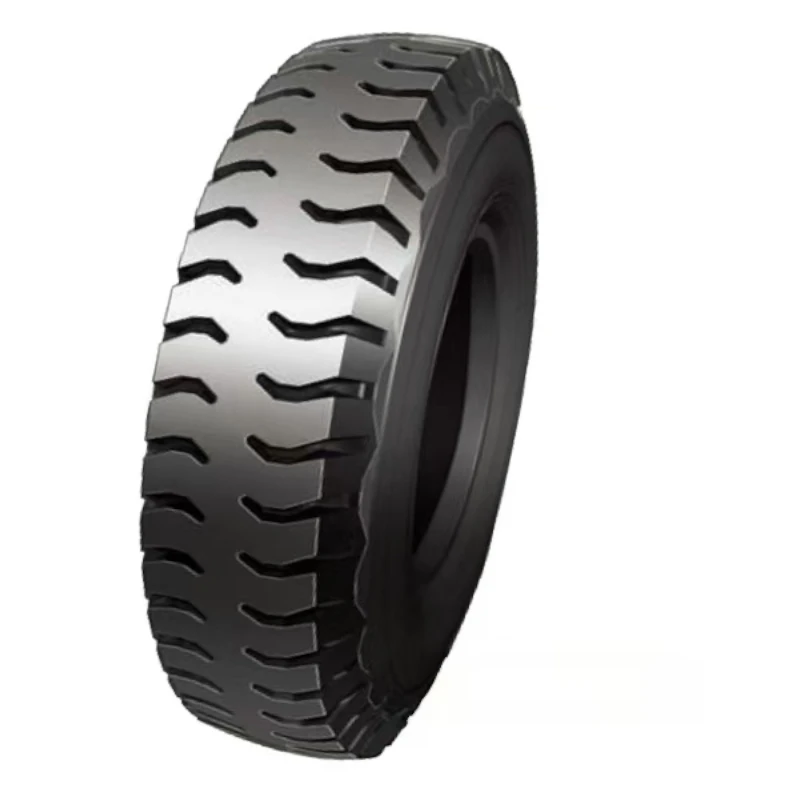
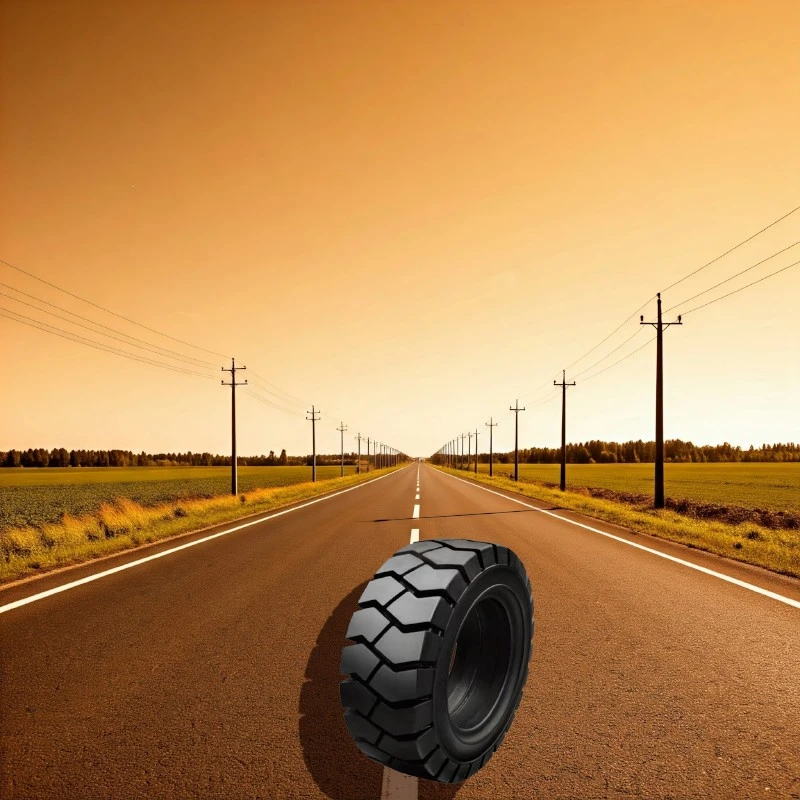
The ability to customize pneumatic tires makes them suitable for a wide range of industries, from construction and agriculture to transportation and material handling.
Longevity
When properly maintained, high - performance pneumatic tires can have a long service life. The air - filled design helps to distribute the stress and wear evenly across the tire's surface, reducing the risk of premature wear and tear.
Regular maintenance, such as proper inflation, rotation, and alignment, can further extend the life of pneumatic tires. By ensuring that the tire is inflated to the correct pressure, the load is distributed evenly, and the tire wears more evenly.
In addition, the high - quality materials and advanced manufacturing techniques used in high - performance pneumatic tires contribute to their durability. For example, the use of steel wire reinforcement in some tires enhances their strength and resistance to damage.
Conclusion
In conclusion, the advantages of using high - performance pneumatic tires are numerous and far - reaching. From superior shock absorption and enhanced traction to high load - bearing capacity, fuel efficiency, customizability, and longevity, these tires offer significant benefits across a wide range of industries.
As a pneumatic tire supplier, we are committed to providing our customers with the highest quality tires that meet their specific needs. Whether you are in the construction, agriculture, transportation, or any other industry, our high - performance pneumatic tires can help you improve the performance, efficiency, and safety of your equipment.
If you are interested in learning more about our high - performance pneumatic tires or would like to discuss your specific requirements, we encourage you to contact us for a procurement discussion. We look forward to working with you to find the best tire solutions for your business.
References
- "Tire Technology Handbook" by Klaus - Dieter Wolter
- "The Physics of Tires" by John Crolla
- Industry reports from construction, agriculture, and transportation sectors.