


Hey there! As a solid tires supplier, I've been getting a lot of questions lately about how solid tires stack up against pneumatic tires, especially when it comes to tread patterns. So, I thought I'd take a deep dive into this topic and share some insights with you all.
First off, let's quickly go over the basics. Pneumatic tires are the ones you're probably most familiar with. They're filled with air, which gives them a cushioning effect and helps them adapt to different road surfaces. On the other hand, solid tires are made entirely of rubber or other solid materials, without any air inside. This makes them puncture-proof and more durable in certain situations.
Now, onto the tread patterns. Tread patterns play a crucial role in a tire's performance. They affect traction, handling, and even fuel efficiency. So, do solid tires have a different tread pattern compared to pneumatic tires? The short answer is yes, and here's why.
Traction and Stability
Pneumatic tires often have complex tread patterns with grooves and sipes. These features are designed to channel water away from the tire's contact patch, reducing the risk of hydroplaning on wet roads. They also provide extra biting edges for better traction on various surfaces, like gravel or snow.
Solid tires, however, have a different approach. Since they're mainly used in industrial settings or on vehicles that operate on flat, dry surfaces, their tread patterns are typically simpler. They focus more on providing a large, stable contact patch with the ground. This helps distribute the vehicle's weight evenly and improves overall stability. For example, some solid tires have a smooth or slightly textured surface, which offers good traction on hard floors in warehouses or factories.
But that doesn't mean solid tires can't have more advanced tread patterns. In fact, there are Tires with Raised Rim Protector that are designed for specific applications where more traction is needed. These tires may have deeper grooves or unique patterns to enhance grip on uneven or slippery surfaces.
Rolling Resistance
Another important factor to consider is rolling resistance. This is the force that resists the motion of a tire as it rolls on the ground. Lower rolling resistance means less energy is wasted, which can lead to better fuel efficiency or longer battery life in electric vehicles.
Pneumatic tires generally have lower rolling resistance compared to solid tires. The air inside the pneumatic tire acts as a cushion, allowing it to deform slightly as it rolls. This deformation helps reduce the friction between the tire and the road. Solid tires, being made of solid materials, are less flexible and tend to have higher rolling resistance.
However, advancements in tire technology have led to the development of Best Low Rolling Resistance Tires for Electric Cars. These solid tires are designed with special compounds and tread patterns to minimize rolling resistance without sacrificing durability. They can be a great option for electric vehicles, where energy efficiency is crucial.
Load Capacity
Load capacity is also a significant difference between solid and pneumatic tires. Solid tires are known for their high load-carrying capacity. Since they're made of solid rubber, they can support heavy weights without the risk of deflation. This makes them ideal for industrial vehicles like forklifts, pallet jacks, and construction equipment.
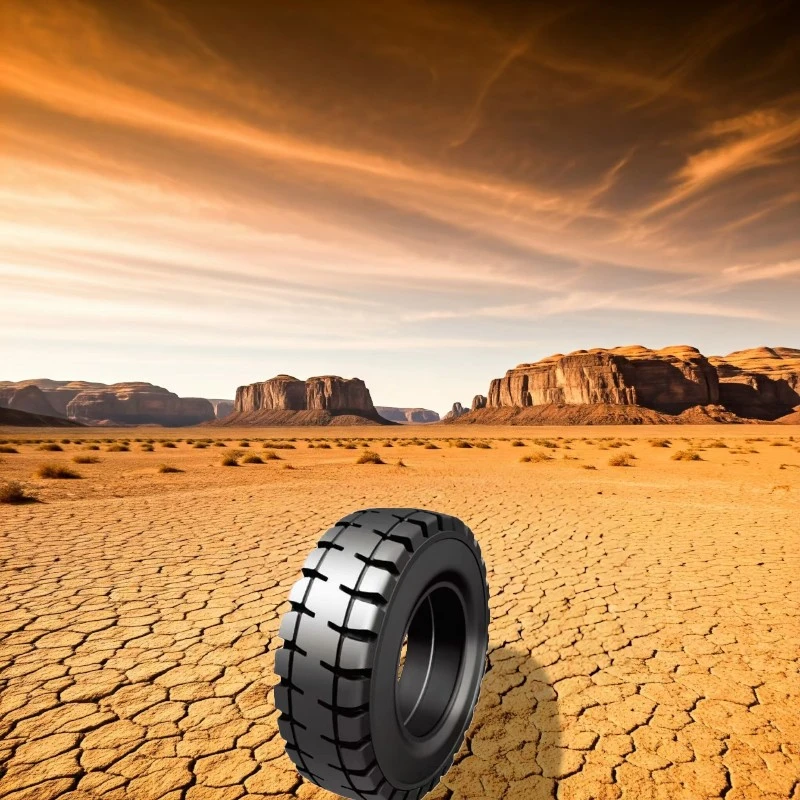
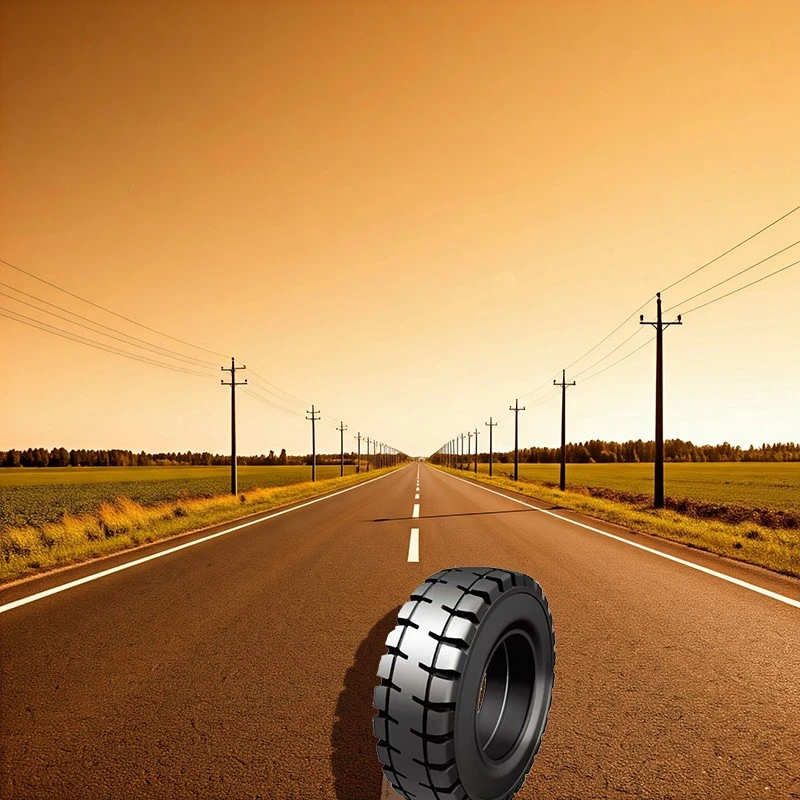
Pneumatic tires, while they can also carry substantial loads, are more susceptible to damage from overloading. The air pressure inside the tire needs to be carefully maintained to ensure proper load distribution. If the tire is overloaded or the air pressure is too low, it can lead to premature wear, blowouts, or other safety issues.
The tread patterns of solid tires are often designed to handle heavy loads. They may have wider shoulders or reinforced areas to prevent the tire from deforming under pressure. This helps maintain the tire's shape and performance, even when carrying heavy cargo.
Maintenance and Durability
One of the biggest advantages of solid tires is their low maintenance requirements. Since they don't have air inside, there's no need to worry about checking tire pressure or dealing with punctures. This can save a lot of time and money in the long run, especially for businesses that rely on a fleet of vehicles.
Pneumatic tires, on the other hand, require regular maintenance. You need to check the tire pressure frequently, rotate the tires to ensure even wear, and replace them when the tread depth gets too low. Additionally, punctures are a common issue with pneumatic tires, which can cause downtime and additional costs.
The durability of solid tires is also a major selling point. They're designed to withstand harsh conditions, such as rough terrain, sharp objects, and extreme temperatures. Their solid construction makes them less likely to wear out quickly, which means they can last longer than pneumatic tires in many applications.
Light - duty Applications
For light - duty applications, there are Light - duty Tires available in the solid tire market. These tires are designed for vehicles that don't carry heavy loads or operate in extremely harsh environments. They may have a more lightweight construction and a tread pattern that balances traction and rolling resistance.
In light - duty applications, the tread pattern of solid tires is often optimized for smooth operation on flat surfaces. It may have a fine texture or small grooves to provide just enough traction without increasing rolling resistance too much. This makes them suitable for small electric vehicles, lawn mowers, and other light - duty equipment.
Making the Right Choice
So, how do you decide whether solid tires or pneumatic tires are the right choice for your needs? It really depends on your specific application. If you're operating in an industrial environment where punctures are a major concern and you need high load - carrying capacity, solid tires are probably the way to go. Their simple yet effective tread patterns are designed to handle these conditions.
On the other hand, if you're driving on public roads and need good traction on wet surfaces, low rolling resistance, and a comfortable ride, pneumatic tires are likely a better option. Their complex tread patterns are optimized for these types of applications.
If you're still not sure which type of tire is best for you, I'd be more than happy to help. As a solid tires supplier, I have a wealth of knowledge and experience in the industry. We can discuss your specific requirements, and I can recommend the right solid tires with the appropriate tread pattern for your vehicles. Whether you're looking for high - load capacity tires for your forklift or low - rolling - resistance tires for your electric car, we've got you covered.
So, if you're interested in learning more about our solid tires or want to start a procurement discussion, don't hesitate to reach out. We're here to provide you with the best solutions and ensure that you get the most out of your tires.
References
- Tire Industry Association. (2023). Understanding Tire Tread Patterns.
- Society of Automotive Engineers. (2023). Research on Tire Performance and Tread Design.