


Can solid tires be used in extreme temperatures? Well, as a solid tires supplier, I've gotten this question more times than I can count. So, let's dig into it and see what the deal is.
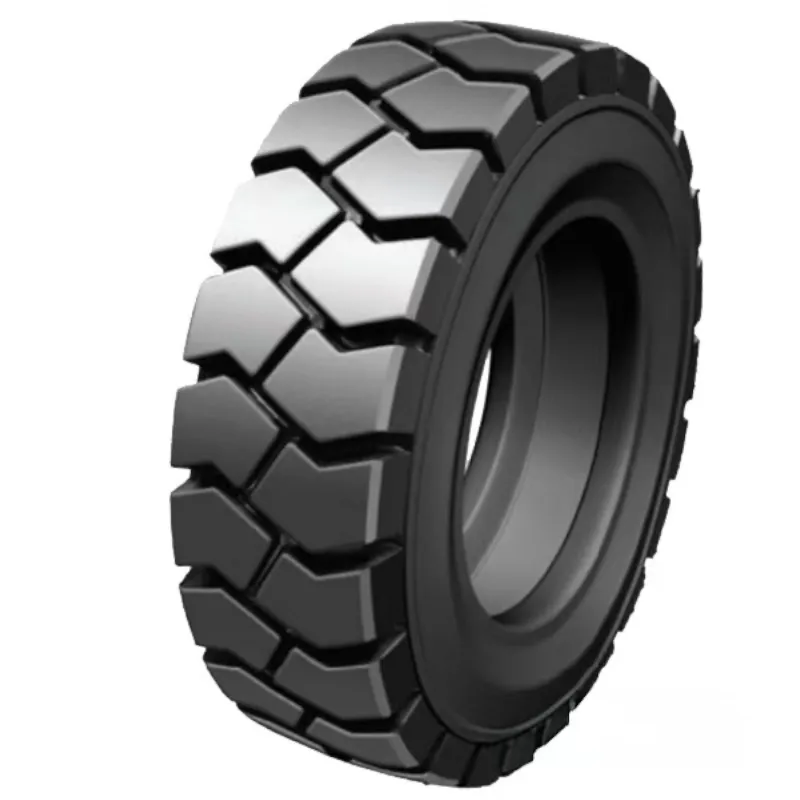
First off, what are solid tires? They're exactly what they sound like - tires that are solid all the way through, no air inside. This gives them some major advantages over pneumatic (air - filled) tires. For one, they're puncture - proof. You don't have to worry about nails, glass, or other sharp objects ruining your day by flattening your tire.
Now, let's talk about extreme temperatures. We're talking really hot and really cold conditions here. In hot temperatures, the heat can cause all sorts of problems for regular tires. Pneumatic tires can over - inflate as the air inside expands, which can lead to blowouts. And the rubber can start to break down, losing its strength and grip.
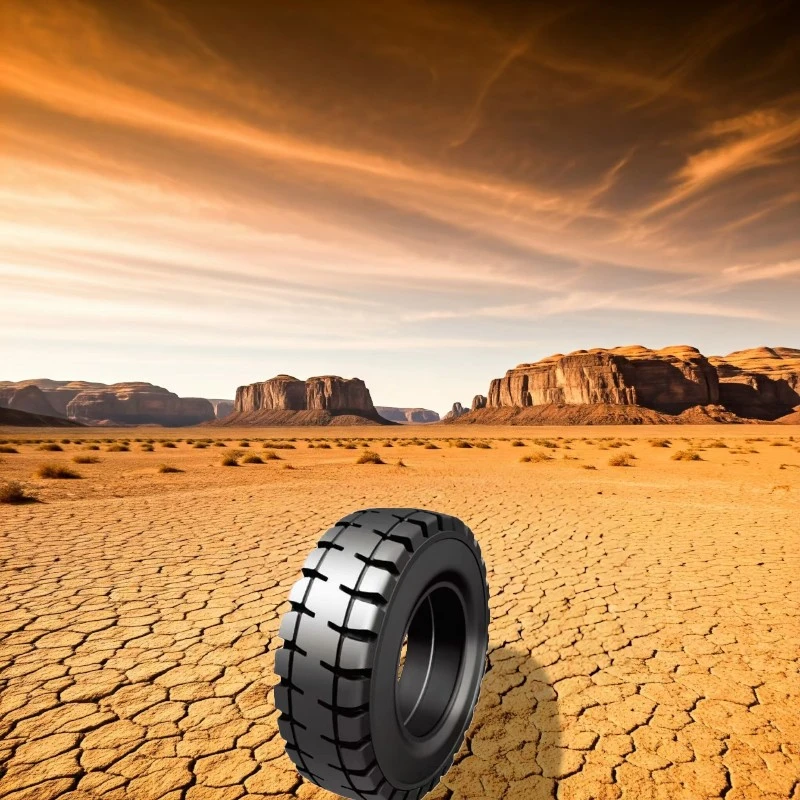
But what about solid tires? Solid tires are made from tough rubber compounds that are designed to handle a lot. In high - temperature environments, like a desert or a factory floor where there's a lot of heat, solid tires hold up pretty well. The rubber in solid tires has a high heat - resistance. It doesn't expand like air in a pneumatic tire, so there's no risk of over - inflation and blowouts.
However, that doesn't mean they're completely immune to the effects of heat. If the temperature gets extremely high, say over 150 degrees Fahrenheit (about 65 degrees Celsius), the rubber can start to soften. This can lead to increased wear and tear on the tire. The tread might start to wear down faster, and the tire could lose some of its traction. But compared to pneumatic tires, the risk is much lower.
On the other hand, cold temperatures can also be a challenge. In freezing conditions, pneumatic tires can lose air pressure as the air inside contracts. This can make the vehicle handle poorly and increase the risk of a flat. Solid tires, though, don't have this problem. The rubber in solid tires remains flexible even in cold temperatures.
But again, there are limits. If it gets really cold, like below - 20 degrees Fahrenheit (about - 29 degrees Celsius), the rubber can become brittle. This means it's more likely to crack or break if it hits a hard object. So, while solid tires are better than pneumatic tires in cold conditions, you still need to be careful.
Now, let's look at some of the different types of solid tires we offer. We have Tires with Raised Rim Protector. These are great for applications where the rims are at risk of damage. The raised rim protector adds an extra layer of protection, which is especially useful in rough environments.
Our Light - duty Tires are perfect for less - demanding applications. They're made from a lighter - weight rubber compound, which makes them more fuel - efficient. And they still offer good performance in a range of temperatures.
If you're looking for something for electric cars, we have Best Low Rolling Resistance Tires for Electric Cars. These tires are designed to reduce the amount of energy needed to move the vehicle, which can extend the battery life of an electric car. They also perform well in different temperature conditions.
So, can solid tires be used in extreme temperatures? The answer is yes, but with some caveats. They're a great option in many situations, but you need to understand their limitations. If you're working in a very hot or very cold environment, make sure you choose the right type of solid tire for the job.
If you're interested in learning more about our solid tires or have any questions about using them in extreme temperatures, don't hesitate to reach out. We're here to help you find the perfect tire solution for your needs. Whether you're running a small business or a large industrial operation, we've got the tires to keep you moving.
Let's have a chat about your requirements, and we can work together to figure out the best solid tires for your specific situation. We're confident that we can provide you with high - quality tires that will perform well, no matter the temperature.
References
- Tire Industry Association Research on Tire Performance in Extreme Temperatures
- Rubber Manufacturers Association Reports on Solid Tire Compounds