


Cold storage facilities demand a unique set of operational conditions, and the forklifts used within these environments must be equipped to handle the challenges presented by low temperatures. As a forklift replacement supplier, I understand the critical importance of providing forklifts that are specifically designed to operate efficiently and reliably in cold storage settings. In this blog post, I will discuss the special features required for a cold storage replacement forklift, highlighting the key components and considerations that ensure optimal performance in these demanding environments.
Cold-Resistant Materials and Components
One of the primary challenges of operating forklifts in cold storage is the impact of low temperatures on materials and components. Standard forklift parts may become brittle and prone to failure in sub-zero conditions, leading to costly downtime and maintenance issues. To address this, cold storage forklifts must be constructed using cold-resistant materials that can withstand extreme temperatures without compromising their structural integrity.
For example, the hydraulic hoses and seals in a cold storage forklift should be made from materials such as nitrile rubber or ethylene propylene diene monomer (EPDM), which are known for their excellent low-temperature flexibility and resistance to cracking. Similarly, the electrical wiring and connectors should be insulated with materials that can prevent moisture ingress and maintain their conductivity in cold environments.
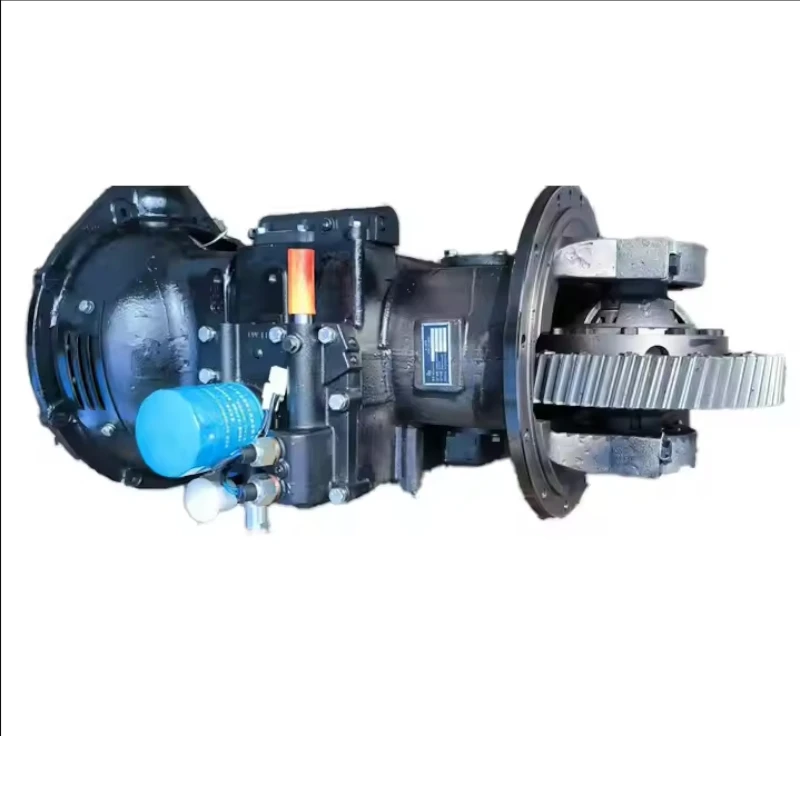
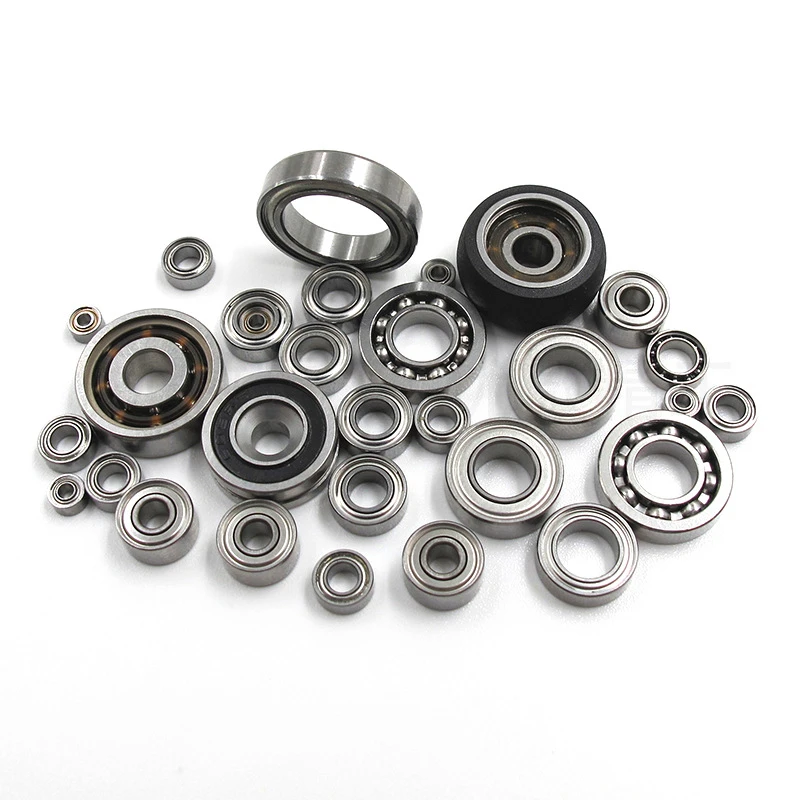
In addition to using cold-resistant materials, cold storage forklifts may also feature specialized components that are designed to operate in low temperatures. For instance, Gear Reduction Gearbox can be used to provide increased torque and power at low speeds, which is essential for lifting and moving heavy loads in cold storage. These gearboxes are typically designed with high-quality bearings and lubricants that can withstand the extreme conditions of cold storage environments.
Enhanced Visibility and Operator Comfort
Operating a forklift in a cold storage facility can be challenging due to reduced visibility and the harsh working conditions. To ensure the safety and productivity of operators, cold storage forklifts must be equipped with features that enhance visibility and provide a comfortable working environment.
One of the key visibility features of a cold storage forklift is the use of high-intensity lighting systems. These systems typically include front and rear lights, as well as spotlights and floodlights, to provide adequate illumination in the dimly lit cold storage environment. In addition, some cold storage forklifts may also feature camera systems that can provide a clear view of the surroundings, especially when backing up or operating in tight spaces.
Operator comfort is also an important consideration in cold storage forklifts. The operator's cab should be insulated to prevent heat loss and protect the operator from the cold. Heated seats and steering wheels can also be provided to keep the operator warm and comfortable during long shifts. In addition, the controls and instruments in the cab should be ergonomically designed to reduce operator fatigue and improve productivity.
Efficient Heating and Cooling Systems
Maintaining the proper temperature of the forklift's components is crucial for ensuring its reliable operation in cold storage environments. Cold storage forklifts must be equipped with efficient heating and cooling systems that can regulate the temperature of the battery, hydraulic fluid, and other critical components.
The battery is one of the most sensitive components of a forklift, and its performance can be significantly affected by low temperatures. To prevent the battery from freezing and losing its charge, cold storage forklifts may feature battery heaters that can keep the battery at an optimal temperature. These heaters can be either electric or hydraulic, depending on the type of forklift and the specific requirements of the cold storage facility.
In addition to battery heaters, cold storage forklifts may also feature hydraulic fluid heaters to prevent the hydraulic fluid from thickening and becoming less viscous in cold temperatures. This can help to ensure smooth and efficient operation of the forklift's hydraulic system, reducing the risk of component failure and downtime.
On the other hand, some cold storage forklifts may also require cooling systems to prevent the engine and other components from overheating during operation. These cooling systems can be either air-cooled or liquid-cooled, depending on the type of forklift and the specific requirements of the cold storage facility.
Reliable Traction and Stability
Operating a forklift on slippery surfaces is a common challenge in cold storage facilities, where the floors may be covered with ice, snow, or condensation. To ensure the safety and stability of the forklift, it must be equipped with reliable traction and stability features.
One of the key traction features of a cold storage forklift is the use of specialized tires that are designed to provide excellent grip on slippery surfaces. These tires typically have deep treads and a soft rubber compound that can conform to the surface of the floor, providing maximum traction and reducing the risk of skidding.
In addition to specialized tires, cold storage forklifts may also feature stability control systems that can help to prevent the forklift from tipping over. These systems typically use sensors and algorithms to detect the forklift's position and movement, and can automatically adjust the speed and direction of the forklift to maintain its stability.
Easy Maintenance and Serviceability
Maintaining and servicing a forklift in a cold storage environment can be challenging due to the harsh working conditions and the limited access to maintenance facilities. To ensure the reliability and longevity of the forklift, it must be designed with easy maintenance and serviceability in mind.
One of the key maintenance features of a cold storage forklift is the use of modular components that can be easily removed and replaced. This can reduce the downtime required for maintenance and repairs, and can also make it easier to access and service the internal components of the forklift.
In addition, cold storage forklifts may also feature diagnostic systems that can monitor the performance of the forklift's components and alert the operator or maintenance personnel when a problem is detected. These systems can help to identify potential issues before they become major problems, reducing the risk of costly downtime and repairs.
Conclusion
Cold storage facilities present unique challenges for forklift operation, and the forklifts used in these environments must be equipped with special features to ensure their reliable and efficient performance. As a forklift replacement supplier, I am committed to providing high-quality forklifts that are specifically designed to meet the needs of cold storage facilities. By using cold-resistant materials, enhancing visibility and operator comfort, providing efficient heating and cooling systems, ensuring reliable traction and stability, and designing for easy maintenance and serviceability, we can help our customers to improve the safety, productivity, and profitability of their cold storage operations.
If you are in the market for a cold storage replacement forklift, I encourage you to contact us to discuss your specific requirements. Our team of experts can provide you with detailed information about our products and services, and help you to select the forklift that is best suited for your cold storage facility. We look forward to hearing from you and working with you to meet your forklift replacement needs.
References
- "Cold Storage Forklifts: What You Need to Know." Material Handling & Logistics, 2021.
- "Forklift Safety in Cold Storage Environments." Occupational Safety and Health Administration (OSHA), 2020.
- "The Importance of Cold-Resistant Materials in Forklift Design." Forklift Industry Magazine, 2019.