


Can electric tractors be used for plowing? This is a question that has been on the minds of many farmers and agricultural enthusiasts in recent years. As an electric tractor supplier, I have seen firsthand the growing interest in using electric tractors for various agricultural tasks, including plowing. In this blog post, I will explore the feasibility of using electric tractors for plowing, discuss their advantages and limitations, and provide some insights into the future of electric tractors in agriculture.
The Feasibility of Electric Tractors for Plowing
Electric tractors have come a long way in recent years, and they are now a viable option for many agricultural applications. With advancements in battery technology and electric motor efficiency, electric tractors can provide sufficient power and torque for plowing operations. The key to using electric tractors for plowing lies in selecting the right model with the appropriate power and features.
Our company offers a range of electric tractors suitable for different agricultural tasks, including plowing. For instance, the 6 Ton Electric Tractor is a powerful machine that can handle heavy-duty plowing jobs. It is equipped with a high-capacity battery and a robust electric motor, which can deliver the necessary power to break through tough soil. On the other hand, the 3 Ton Car Type Electric Tractor is more suitable for smaller-scale plowing operations in gardens or small farms. It offers a good balance of power and maneuverability.
Advantages of Using Electric Tractors for Plowing
Environmental Friendliness
One of the most significant advantages of electric tractors is their environmental friendliness. Unlike traditional diesel tractors, electric tractors produce zero emissions during operation. This means that they do not contribute to air pollution, which is a major concern in many agricultural areas. By using electric tractors for plowing, farmers can reduce their carbon footprint and contribute to a more sustainable agricultural future.
Lower Operating Costs
Electric tractors generally have lower operating costs compared to diesel tractors. The cost of electricity is typically lower than the cost of diesel fuel, resulting in significant savings over time. Additionally, electric tractors have fewer moving parts, which means less maintenance and repair costs. This can be a major advantage for farmers, especially those on a tight budget.
Quiet Operation
Electric tractors operate much more quietly than diesel tractors. This can be beneficial in several ways. First, it reduces noise pollution, which is a nuisance for both farmers and nearby residents. Second, the quiet operation can be less stressful for livestock, which can improve their well-being.
Instant Torque
Electric motors provide instant torque, which means that electric tractors can quickly reach their maximum power output. This is particularly useful during plowing, as it allows the tractor to handle sudden changes in soil resistance without losing momentum.
Limitations of Electric Tractors for Plowing
Limited Battery Range
One of the main limitations of electric tractors is their limited battery range. Plowing can be a time-consuming and energy-intensive task, and electric tractors may need to be recharged multiple times during a long plowing session. This can be a challenge, especially in large farms where the tractor needs to cover a significant distance. However, with the continuous improvement of battery technology, the battery range of electric tractors is gradually increasing.
Higher Initial Cost
Electric tractors generally have a higher initial cost compared to diesel tractors. This is mainly due to the cost of the battery and the electric motor. However, as the technology matures and economies of scale come into play, the price of electric tractors is expected to decrease in the future.
Lack of Infrastructure
In some areas, there may be a lack of charging infrastructure for electric tractors. This can make it difficult for farmers to recharge their tractors conveniently. However, this is gradually changing as more and more charging stations are being installed in rural areas.
The Future of Electric Tractors in Plowing
Despite the limitations, the future of electric tractors in plowing looks promising. With the increasing demand for sustainable agriculture and the continuous improvement of electric tractor technology, more and more farmers are likely to switch to electric tractors in the coming years.
In addition to the improvements in battery range and cost, electric tractors are also likely to become more intelligent and automated. For example, they may be equipped with sensors and GPS technology to optimize plowing operations, reduce fuel consumption, and improve productivity.
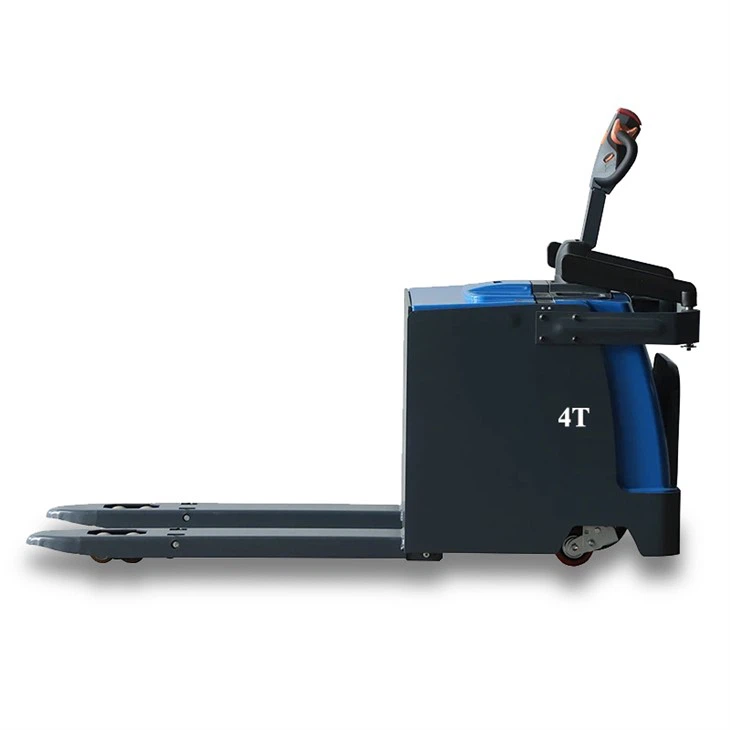
Our company is committed to developing and providing high-quality electric tractors that meet the needs of modern farmers. We are constantly researching and developing new technologies to improve the performance and reliability of our electric tractors. For example, our Electric Compact Utility Tractor is designed to be versatile and easy to operate, making it a great choice for small and medium-sized farms.

Conclusion
In conclusion, electric tractors can be used for plowing, and they offer several advantages over traditional diesel tractors. While they do have some limitations, such as limited battery range and higher initial cost, these issues are being addressed through technological advancements. As an electric tractor supplier, I believe that electric tractors will play an increasingly important role in the future of agriculture.
If you are interested in learning more about our electric tractors or would like to discuss your specific plowing needs, please feel free to contact us. We are happy to provide you with detailed information and help you find the right electric tractor for your farm.
References
- Smith, J. (2020). The Future of Electric Tractors in Agriculture. Journal of Agricultural Technology, 15(2), 45-52.
- Brown, A. (2021). Environmental Impact of Electric Tractors in Plowing Operations. International Journal of Sustainable Agriculture, 20(3), 67-74.
- Green, R. (2022). Cost Analysis of Electric vs. Diesel Tractors for Plowing. Agricultural Economics Review, 25(4), 89-96.