


Hey there! As a supplier of Walkie Pallet Stackers, I've seen firsthand how crucial it is to make the right choice when purchasing one. These nifty machines can significantly boost efficiency in your warehouse or distribution center, but with so many options out there, it can be a bit overwhelming. So, let's break down what you should consider when buying a Walkie Pallet Stacker.
Capacity
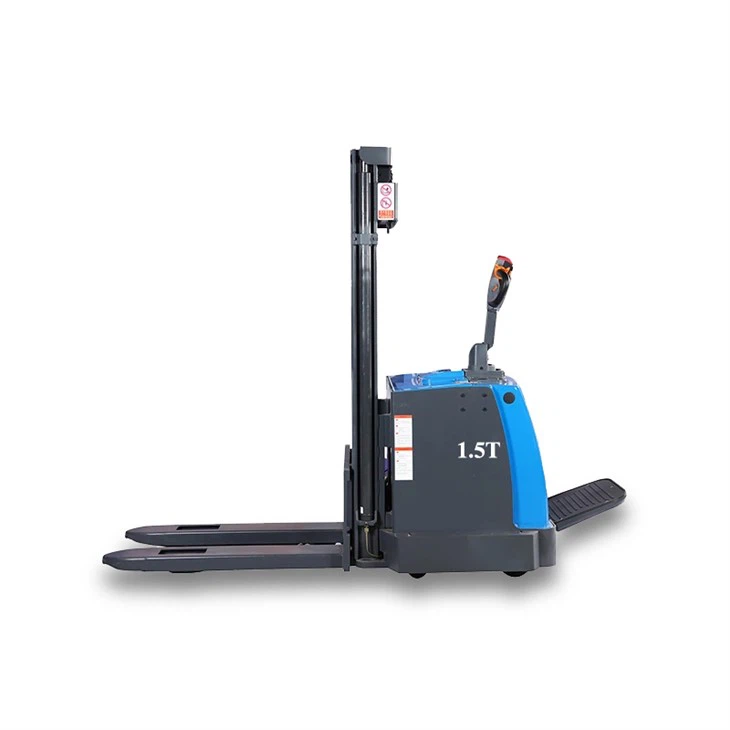
First off, you gotta think about the capacity. How much weight are you planning to lift on a regular basis? Walkie Pallet Stackers come in different load capacities, typically ranging from 1 to 3 tons. If you're dealing with light loads, say up to 1 ton, a smaller capacity stacker might do the trick. But if you're handling heavier pallets, like those in a manufacturing or wholesale environment, you'll need a stacker with a higher capacity, like a 1.5 Ton Electric Stacker Truck.
It's important not to overestimate or underestimate your needs. If you go for a stacker with too low a capacity, you'll end up straining the machine, which can lead to breakdowns and costly repairs. On the other hand, if you choose one with a much higher capacity than you actually need, you'll be paying more upfront and for unnecessary energy consumption.
Lift Height
The next thing to consider is the lift height. How high do you need to stack your pallets? This will depend on the layout of your warehouse and the height of your storage racks. Walkie Pallet Stackers can have lift heights anywhere from a few feet to over 10 feet.
If you have low - level storage, a stacker with a lower lift height will be sufficient. But if you're using high - bay storage racks, you'll need a stacker that can reach those heights. Keep in mind that as the lift height increases, the stability of the stacker may be affected, especially when carrying heavy loads. So, make sure to choose a stacker that offers good stability at the required lift height.
Maneuverability
Maneuverability is key in a busy warehouse. You want a Walkie Pallet Stacker that can easily navigate through narrow aisles and around obstacles. Look for stackers with a tight turning radius. This allows you to make sharp turns without having to take up a lot of space.
Also, consider the type of steering. Some stackers have manual steering, which can be a bit more labor - intensive, especially when moving heavy loads. Others come with powered steering, which makes it much easier to control the stacker, even in tight spaces. A stacker with good maneuverability will save you time and effort, and help you get the job done more efficiently.
Battery Life and Charging
If you're going for an electric Walkie Pallet Stacker, battery life and charging are important factors. How long does the battery last on a single charge? This will depend on the size of the battery and how you use the stacker. If you have a high - volume operation, you'll need a stacker with a long - lasting battery.
You also need to consider the charging time. Some batteries can be fully charged in a few hours, while others may take longer. If you can't afford to have the stacker out of commission for long periods for charging, look for a stacker with a fast - charging battery. And don't forget to check if the battery is easy to replace or maintain.
Build Quality and Durability
A Walkie Pallet Stacker is a significant investment, so you want it to last. Look for stackers made from high - quality materials. The frame should be sturdy and able to withstand the rigors of daily use. Check the quality of the forks, as they are the parts that come into direct contact with the pallets.
Also, consider the overall design of the stacker. A well - designed stacker will have fewer moving parts that are prone to wear and tear. And make sure the stacker comes with a good warranty. This gives you peace of mind knowing that if something goes wrong, you're covered.
Safety Features
Safety should always be a top priority. A good Walkie Pallet Stacker should come with a range of safety features. Look for stackers with overload protection. This prevents the stacker from lifting more weight than it can handle, which reduces the risk of accidents.
Other important safety features include emergency stop buttons, anti - rollback systems (especially for stackers used on ramps), and good visibility from the operator's position. A stacker with proper safety features not only protects your employees but also helps you avoid costly workplace accidents.

Cost and Value for Money
Of course, cost is a major consideration. But it's not just about the upfront price. You need to look at the overall value for money. A cheaper stacker may seem like a good deal at first, but if it breaks down frequently or doesn't meet your requirements, it could end up costing you more in the long run.
Consider the total cost of ownership, which includes the purchase price, maintenance costs, energy consumption, and any potential downtime. Compare different models and brands to find the one that offers the best combination of features, quality, and price.
Operator Comfort
Let's not forget about the people who will be using the Walkie Pallet Stacker. Operator comfort is important for productivity and reducing the risk of injuries. Look for stackers with adjustable controls, a comfortable standing platform (if it's a walk - behind model), and good ergonomics.
An operator who is comfortable and at ease will be able to work more efficiently and for longer periods without getting fatigued. This can lead to better overall performance in your warehouse.
Compatibility with Existing Equipment
If you already have other equipment in your warehouse, such as pallet jacks or forklifts, make sure the Walkie Pallet Stacker is compatible. This includes things like the size of the pallets it can handle, the type of power supply, and any communication systems.
Compatibility ensures that all your equipment can work together seamlessly, and you won't have to make major changes to your existing operations to accommodate the new stacker.
After - Sales Support
Finally, consider the after - sales support offered by the supplier. Do they have a good reputation for providing timely maintenance and repairs? Are replacement parts readily available? A supplier with good after - sales support can help you keep your Walkie Pallet Stacker in top condition and minimize downtime.
In conclusion, buying a Walkie Pallet Stacker requires careful consideration of all these factors. By taking the time to evaluate your needs and do your research, you can choose a stacker that will serve you well for years to come. Whether you're looking for an Electric Stacker Truck or a Walking Pallet Stacker, make sure it meets your specific requirements.
If you're in the market for a Walkie Pallet Stacker and have any questions or need more information, don't hesitate to reach out. We're here to help you make the right choice and find the perfect stacker for your business.
References
- Warehouse Equipment Handbook: A Guide to Choosing the Right Tools for the Job
- Industrial Lift Truck Association Publications
- Manufacturer's Specifications and User Manuals for Walkie Pallet Stackers