


Hey there! As a supplier of walking pallet stackers, I've gotten tons of questions about the batteries used in these machines. One of the most common queries is about the difference between lead - acid and lithium - ion batteries. So, let's dive right in and break it down.
1. Basics of the Batteries
First off, let's talk a bit about what these batteries are. Lead - acid batteries have been around for ages. They're the old - school option. You know, the kind that have been powering all sorts of vehicles and equipment for years. They're made up of lead plates and an electrolyte solution, usually sulfuric acid.
On the other hand, lithium - ion batteries are the new kids on the block. They're becoming super popular these days because they're used in all our modern gadgets, like smartphones and laptops. They use lithium compounds in their electrodes.
2. Performance
Energy Density
When it comes to energy density, lithium - ion batteries are the clear winners. Energy density means how much energy a battery can store in a given volume or weight. Lithium - ion batteries can pack a whole lot more energy into a smaller and lighter package compared to lead - acid batteries.
For a walking pallet stacker, this is a huge deal. With a lithium - ion battery, the stacker can run for longer periods between charges. You can get more work done without having to stop and recharge as often. And since the battery is lighter, it doesn't add as much extra weight to the stacker, which can improve its overall maneuverability.
Charge Time
Charge time is another area where lithium - ion batteries shine. Lead - acid batteries take a long time to charge. It can take anywhere from 8 to 10 hours to fully charge a lead - acid battery. That's a big chunk of your workday!
Lithium - ion batteries, on the other hand, can charge much faster. You can often get a full charge in just 2 to 3 hours. This means less downtime for your walking pallet stacker. You can keep it in operation for more of the day, which is great for productivity.
Discharge Rate
The discharge rate is how quickly a battery loses its charge while in use. Lead - acid batteries have a relatively high self - discharge rate. This means that even when the walking pallet stacker isn't being used, the battery will lose its charge over time.
Lithium - ion batteries have a much lower self - discharge rate. So, if you leave your stacker sitting for a few days, the lithium - ion battery will still have most of its charge when you come back to use it.
3. Lifespan
Cycle Life
Cycle life refers to the number of charge - discharge cycles a battery can go through before its performance starts to degrade significantly. Lithium - ion batteries have a much longer cycle life compared to lead - acid batteries.
A good quality lead - acid battery might last for around 500 to 1000 charge - discharge cycles. In contrast, a lithium - ion battery can easily last for 2000 to 3000 cycles. This means that over the long term, you'll have to replace a lithium - ion battery less frequently, which can save you money in the long run.
Maintenance
Maintenance is a big factor when it comes to the lifespan of a battery. Lead - acid batteries require a fair amount of maintenance. You need to regularly check the electrolyte levels and top them up with distilled water. You also have to be careful about overcharging or undercharging the battery, as this can shorten its lifespan.
Lithium - ion batteries, on the other hand, are pretty much maintenance - free. You don't have to worry about checking electrolyte levels or doing any of those other maintenance tasks. This makes them a lot more convenient to use.
4. Cost
Initial Cost
When it comes to the initial cost, lead - acid batteries are much cheaper. They've been around for a long time, and the technology is well - established, so they're mass - produced at a lower cost.
Lithium - ion batteries are more expensive upfront. The technology is newer, and the materials used in them are more costly. So, if you're on a tight budget, a lead - acid battery might seem like the better option at first.

Total Cost of Ownership
However, when you look at the total cost of ownership, lithium - ion batteries can actually be more cost - effective. As we mentioned earlier, they have a longer lifespan and require less maintenance. You also save on the cost of lost productivity due to long charging times.
Over the life of the battery, these savings can add up, making the lithium - ion battery a better investment in the long run.
5. Environmental Impact
Recycling
Lead - acid batteries contain lead and sulfuric acid, which are both toxic substances. If not recycled properly, they can cause serious environmental damage. However, lead - acid batteries have a well - established recycling system. Most of the lead and other materials in these batteries can be recycled and reused.
Lithium - ion batteries also have environmental concerns. The mining of lithium and other materials used in these batteries can have a significant environmental impact. However, as the demand for lithium - ion batteries grows, more efforts are being made to develop better recycling methods for them.
Overall Sustainability
In terms of overall sustainability, lithium - ion batteries can be more sustainable in some ways. Since they last longer and are more energy - efficient, they can reduce the overall energy consumption and waste associated with powering a walking pallet stacker.
Conclusion
So, there you have it. The choice between a lead - acid and a lithium - ion battery for your walking pallet stacker depends on your specific needs and budget. If you're looking for a cheap, reliable option and don't mind the longer charging times and more maintenance, a lead - acid battery might be the way to go.
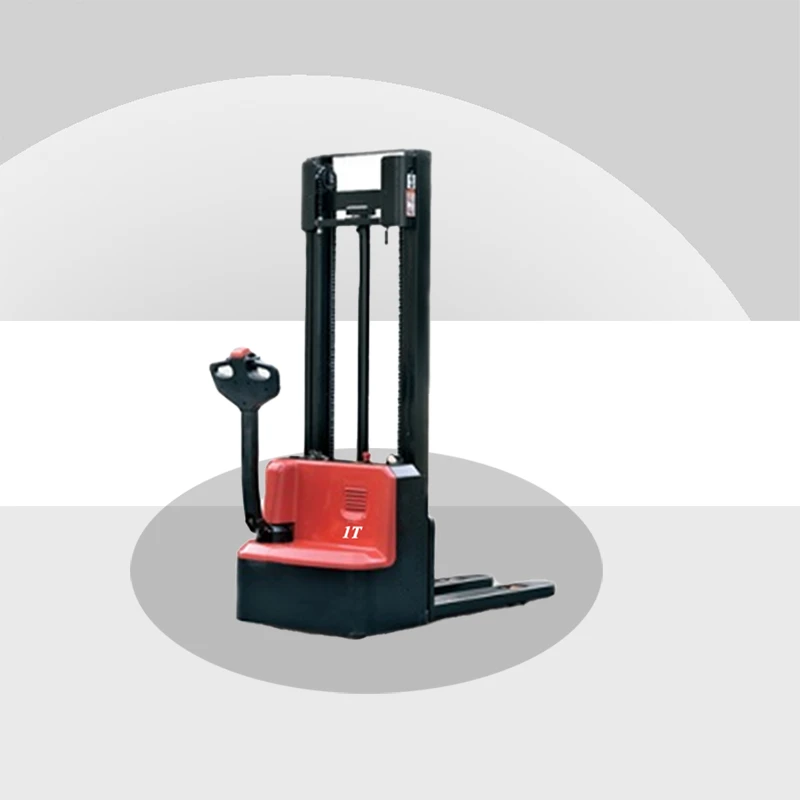
But if you want better performance, longer lifespan, and less downtime, a lithium - ion battery is the clear choice. At our company, we offer a range of walking pallet stackers with both lead - acid and lithium - ion battery options. You can check out our Small Electric Pallet Stacker, 1 Ton Double Column Mini Electric Stacker Truck, and Electric Pallet Forklift on our website.
If you're interested in purchasing a walking pallet stacker or have any questions about the batteries, feel free to reach out to us. We're here to help you make the best decision for your business.
References
- Battery University: A comprehensive resource for battery information.
- Industry reports on battery technology for material handling equipment.