


The storage space required for a reach truck is a crucial consideration for businesses aiming to optimize their warehouse operations. As a reach truck supplier, I understand the significance of this factor in ensuring efficient space utilization and seamless workflow. In this blog, I will delve into the various aspects that determine the storage space needed for a reach truck, providing valuable insights for businesses looking to make informed decisions.
Understanding Reach Trucks
Reach trucks are specialized forklifts designed for use in narrow aisle warehouses. They are equipped with a unique reach mechanism that allows the forks to extend beyond the front wheels, enabling them to access pallets stored in deep racking systems. This feature makes reach trucks ideal for high-density storage applications, where maximizing vertical space is essential.
There are different types of reach trucks available in the market, each with its own specifications and capabilities. Some of the common types include single reach trucks, double reach trucks, and straddle reach trucks. The choice of reach truck depends on factors such as the height of the racking system, the weight of the loads, and the available aisle width.
Factors Affecting Storage Space Requirements
Several factors influence the storage space required for a reach truck. Understanding these factors is essential for accurately calculating the space needed and ensuring that the warehouse layout is optimized for efficient operations.
Aisle Width
The aisle width is one of the most critical factors determining the storage space required for a reach truck. The width of the aisle must be sufficient to allow the reach truck to maneuver safely and efficiently. A narrower aisle width can increase the storage density but may also limit the turning radius of the reach truck, making it more challenging to operate.
The minimum aisle width required for a reach truck depends on the type of reach truck, the load size, and the operating conditions. Generally, single reach trucks require a minimum aisle width of around 8 to 9 feet, while double reach trucks may need a wider aisle of 10 to 12 feet. Straddle reach trucks, which have outriggers on either side, typically require a wider aisle width of 11 to 13 feet.
Rack Height
The height of the racking system also plays a significant role in determining the storage space required for a reach truck. Reach trucks are designed to operate at different heights, and the maximum lift height of the reach truck will determine the height of the racking system that can be used.
Higher racking systems can increase the storage capacity of the warehouse but may also require a taller reach truck with a longer mast. This, in turn, may increase the overall height of the reach truck and the space required for it to operate. It is essential to consider the maximum lift height of the reach truck and the height of the racking system when planning the warehouse layout.
Load Size and Weight
The size and weight of the loads being handled by the reach truck will also affect the storage space requirements. Larger and heavier loads may require a wider aisle width and a more powerful reach truck with a higher load capacity.
It is important to consider the dimensions and weight of the loads when selecting a reach truck and planning the warehouse layout. The reach truck should be able to handle the maximum load size and weight safely and efficiently without compromising the stability or maneuverability of the vehicle.
Operating Conditions
The operating conditions in the warehouse, such as the floor surface, the presence of obstacles, and the traffic flow, can also impact the storage space required for a reach truck. A smooth and level floor surface will allow the reach truck to operate more efficiently, while a rough or uneven floor may require a wider aisle width to ensure safe maneuverability.

The presence of obstacles, such as columns, pillars, or other equipment, can also limit the turning radius of the reach truck and increase the space required for it to operate. It is important to consider the layout of the warehouse and the location of any obstacles when planning the storage space for the reach truck.
Calculating Storage Space Requirements
To accurately calculate the storage space required for a reach truck, it is necessary to consider all the factors mentioned above. The following steps can be used as a guide to calculate the storage space needed:
- Determine the type of reach truck: Select the type of reach truck based on the load size, weight, and the height of the racking system.
- Measure the aisle width: Measure the minimum aisle width required for the selected reach truck based on its specifications and the operating conditions.
- Calculate the rack height: Determine the maximum lift height of the reach truck and the height of the racking system that can be used.
- Consider the load size and weight: Take into account the dimensions and weight of the loads being handled by the reach truck and ensure that the reach truck has the appropriate load capacity.
- Account for operating conditions: Consider the floor surface, the presence of obstacles, and the traffic flow in the warehouse when calculating the storage space requirements.
Once all these factors have been considered, the total storage space required for the reach truck can be calculated by multiplying the aisle width by the length of the aisle and adding any additional space required for maneuvering and turning.
Importance of Optimizing Storage Space
Optimizing the storage space for a reach truck is essential for businesses looking to improve their warehouse efficiency and reduce costs. By maximizing the storage density and minimizing the space required for the reach truck to operate, businesses can increase the capacity of their warehouses and reduce the need for additional storage space.
In addition to increasing storage capacity, optimizing the storage space can also improve the workflow in the warehouse. A well-designed warehouse layout with sufficient space for the reach truck to maneuver safely and efficiently can reduce the time required to pick and store goods, improving productivity and reducing labor costs.
Our Reach Truck Offerings
As a reach truck supplier, we offer a wide range of reach trucks to meet the diverse needs of our customers. Our reach trucks are designed with the latest technology and features to ensure maximum efficiency, reliability, and safety.
We offer 1 Ton Electric Reach Truck, which is ideal for light-duty applications in narrow aisle warehouses. This reach truck is equipped with a powerful electric motor and a compact design, making it easy to maneuver in tight spaces.
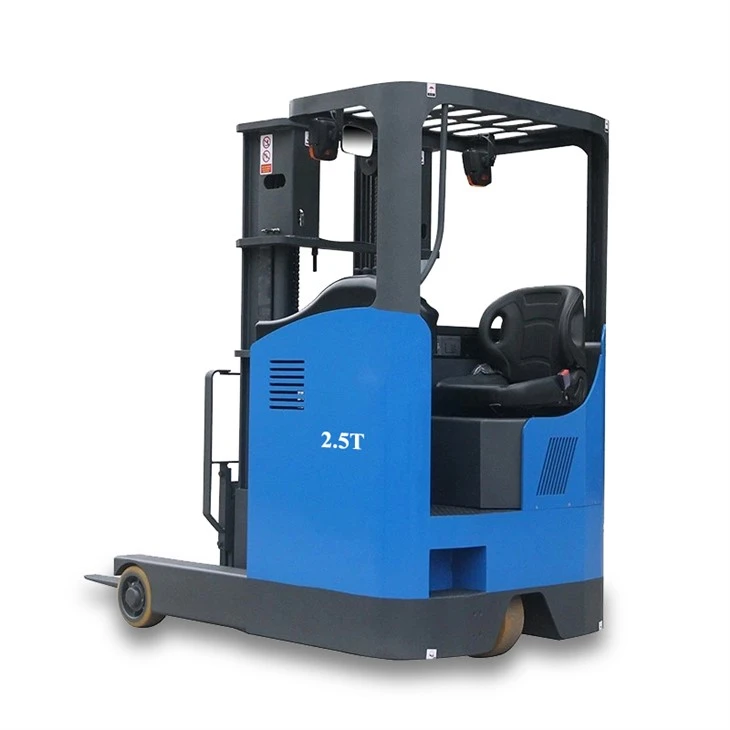
For heavier loads and larger warehouses, we offer 2.5 Ton Large Reach Electric Forklift. This reach truck has a high load capacity and a long reach, allowing it to handle heavy loads in deep racking systems.
We also offer 1.5 Ton Large Reach Electric Forklift, which is a versatile option for medium-duty applications. This reach truck combines the benefits of a high load capacity and a compact design, making it suitable for a wide range of warehouse environments.
Contact Us for Procurement
If you are looking to purchase a reach truck or need assistance in optimizing your warehouse storage space, we would be happy to help. Our team of experts can provide you with personalized advice and recommendations based on your specific requirements.
Contact us today to learn more about our reach truck offerings and how we can help you improve your warehouse operations. We look forward to working with you to find the perfect reach truck solution for your business.
References
- "Warehouse Design and Layout: Best Practices for Efficiency." Material Handling & Logistics, 2023.
- "Reach Trucks: A Guide to Selection and Operation." Forklift Operator Training, 2022.
- "Optimizing Warehouse Storage Space with Reach Trucks." Logistics Management, 2021.