


Hey there! As a solid tires supplier, I often get asked about the puncture-proof level of solid tires. So, I thought I'd write this blog to give you the lowdown on what makes solid tires resistant to punctures and how you can choose the right ones for your needs.
First things first, let's understand what solid tires are. Unlike pneumatic tires, which are filled with air, solid tires are made of solid rubber. This construction gives them several advantages, one of the most significant being their puncture resistance. Since there's no air to leak out, a puncture won't cause the tire to go flat, which can save you a lot of hassle and downtime, especially in industrial or heavy-duty applications.
But just how puncture-proof are solid tires? Well, it depends on a few factors.
Material Quality
The quality of the rubber used in solid tires plays a huge role in their puncture resistance. High - quality rubber compounds are formulated to be tough and durable. They can withstand the impact of sharp objects without getting easily pierced. At our company, we use top - notch rubber materials that are specifically engineered to resist cuts, tears, and punctures. These materials are also resistant to abrasion, which means they'll last longer even in harsh environments.
Tire Design
Another important factor is the design of the tire. Some solid tires are designed with a thicker tread or sidewall, which provides an extra layer of protection against punctures. For example, Tires with Raised Rim Protector have a special design that not only protects the rim but also offers better resistance to sidewall punctures. The raised rim protector acts as a shield, preventing sharp objects from reaching the vulnerable parts of the tire.
Application - Specific Design
Different applications require different levels of puncture resistance. For light - duty applications, such as in small carts or electric scooters, Light - duty Tires are a great choice. These tires are designed to be lightweight and offer a good balance between puncture resistance and maneuverability. On the other hand, for heavy - duty applications like forklifts or construction equipment, we have tires that are built to withstand more abuse. They have a higher puncture - proof level and can handle the rough terrain and heavy loads associated with these applications.
Testing and Certification
To ensure that our solid tires meet the highest standards of puncture resistance, we subject them to rigorous testing. We simulate real - world conditions and expose the tires to various sharp objects to see how they hold up. Our tires also meet industry - recognized standards for puncture resistance, which gives you peace of mind knowing that you're getting a reliable product.
Now, let's talk about some real - world scenarios where the puncture - proof level of solid tires can make a big difference.
Industrial Environments
In industrial settings, there are often sharp objects on the ground, such as nails, screws, and broken glass. Pneumatic tires in these environments are prone to punctures, which can lead to costly downtime and repairs. Solid tires, however, can keep your equipment running smoothly. For example, in a warehouse where forklifts are constantly moving around, solid tires can prevent unexpected flat tires and ensure that the operations run efficiently.
Construction Sites
Construction sites are another place where solid tires shine. The rough terrain, debris, and sharp rocks can quickly damage pneumatic tires. Solid tires are more resilient and can handle the abuse. They can also provide better traction on uneven surfaces, which is crucial for safety and productivity on construction sites.
Electric Vehicles
With the growing popularity of electric vehicles, the demand for puncture - proof tires is on the rise. Best Low Rolling Resistance Tires for Electric Cars not only offer puncture resistance but also help to improve the vehicle's energy efficiency. Since solid tires don't have the air loss associated with pneumatic tires, they can maintain a consistent rolling resistance, which means the electric vehicle can go further on a single charge.
So, how do you choose the right solid tires for your puncture - proof needs?
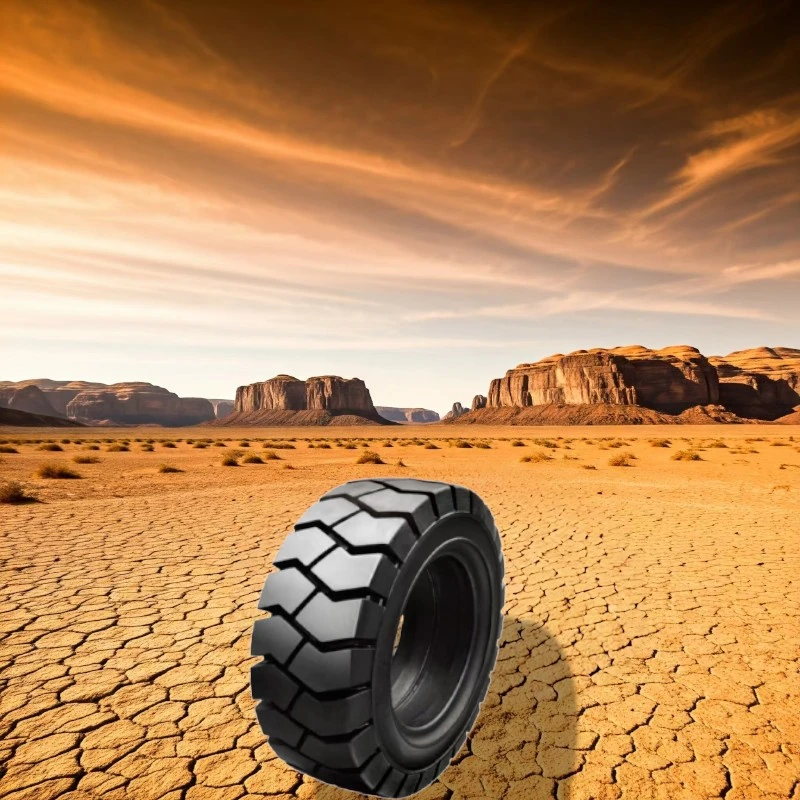

Evaluate Your Application
The first step is to evaluate your application. Consider the type of equipment you're using, the terrain it will operate on, and the load it will carry. If you're using a light - duty cart in a clean indoor environment, a light - duty solid tire might be sufficient. But if you're operating heavy machinery on a construction site, you'll need a heavy - duty tire with a high puncture - proof level.
Check the Specifications
When looking at solid tires, make sure to check the manufacturer's specifications. Look for information about the tire's puncture resistance, load capacity, and rolling resistance. These specifications will give you a good idea of how the tire will perform in your specific application.
Consider the Cost - Benefit Ratio
While solid tires generally cost more than pneumatic tires upfront, they can save you money in the long run. You'll save on the cost of replacing flat tires, as well as the downtime associated with tire changes. So, consider the cost - benefit ratio when making your decision.
In conclusion, solid tires offer a high level of puncture resistance, which makes them a great choice for many applications. Whether you're in an industrial, construction, or automotive setting, there's a solid tire out there that can meet your needs. As a solid tires supplier, we're committed to providing you with the best products and helping you make the right choice.
If you're interested in learning more about our solid tires or have any questions about puncture resistance, don't hesitate to reach out. We're here to assist you with your tire needs and can work with you to find the perfect solution for your application. Let's start a conversation and see how we can help you keep your equipment rolling smoothly.
References
- Industry standards for tire puncture resistance
- Internal testing reports from our company
- Case studies of solid tire applications in different industries