


As a supplier of smart stackers, I've often been asked about the power sources that drive these remarkable machines. Smart stackers are at the forefront of modern warehousing and logistics, offering efficiency, precision, and automation. Understanding their power sources is crucial for anyone looking to invest in these technologies. In this blog, I'll delve into the various power sources that make smart stackers tick.
Battery Power: The Most Common Choice
Battery power is the cornerstone of most smart stackers in the market today. It offers several advantages that make it an ideal choice for these machines.
Lithium - Ion Batteries
Lithium - ion batteries have become increasingly popular in smart stackers due to their high energy density. This means they can store a large amount of energy in a relatively small and lightweight package. For a smart stacker, this translates into longer operating times between charges. They also have a low self - discharge rate, which means they can hold their charge for extended periods when not in use.
One of the key benefits of lithium - ion batteries is their fast - charging capabilities. Modern smart stackers equipped with lithium - ion batteries can be charged in a fraction of the time compared to traditional lead - acid batteries. This reduces downtime and allows the stacker to be back in operation quickly.
Another advantage is their long lifespan. Lithium - ion batteries can withstand a large number of charge - discharge cycles, which means they don't need to be replaced as frequently as other battery types. This not only reduces the overall cost of ownership but also has a positive environmental impact.
Lead - Acid Batteries
Despite the rise of lithium - ion batteries, lead - acid batteries still have a place in the smart stacker market. They are relatively inexpensive compared to lithium - ion batteries, making them a cost - effective option for some applications.
Lead - acid batteries are also known for their robustness. They can handle high - current discharges, which is important for smart stackers that need to perform heavy - lifting tasks. However, they do have some drawbacks. They are heavier than lithium - ion batteries, which can reduce the overall efficiency of the stacker. They also have a lower energy density, meaning they need to be recharged more frequently. Additionally, lead - acid batteries require regular maintenance, such as checking the water levels and ensuring proper ventilation.
Fuel Cells
Fuel cells are an emerging power source for smart stackers. They offer several advantages over traditional battery power.
Hydrogen Fuel Cells
Hydrogen fuel cells generate electricity through a chemical reaction between hydrogen and oxygen. The only by - product of this reaction is water, which makes them a clean and environmentally friendly power source.
One of the main advantages of hydrogen fuel cells is their long operating time. They can provide continuous power for extended periods without the need for recharging. This is particularly useful for smart stackers that need to operate around the clock in large warehouses.
Fuel cells also have a fast refueling time. Unlike batteries, which can take hours to recharge, a hydrogen fuel cell can be refueled in a matter of minutes. This significantly reduces downtime and increases the productivity of the smart stacker.
However, there are some challenges associated with hydrogen fuel cells. The infrastructure for hydrogen production, storage, and distribution is still limited. This makes it difficult and expensive to implement hydrogen fuel cell technology on a large scale. Additionally, the cost of fuel cells themselves is relatively high, although this is expected to decrease as the technology matures.
Solar Power
Solar power is another potential power source for smart stackers, especially in outdoor or semi - outdoor applications. Solar panels can be installed on the stacker or in the warehouse to capture sunlight and convert it into electricity.
The main advantage of solar power is its renewable nature. It doesn't rely on fossil fuels or traditional battery technologies, which reduces the carbon footprint of the smart stacker. Solar power can also be used to supplement other power sources, such as batteries. For example, during the day, the solar panels can charge the battery, which can then be used to power the stacker at night or in low - light conditions.
However, solar power has its limitations. It is dependent on sunlight, which means it may not be a reliable power source in areas with limited sunlight or during cloudy days. The efficiency of solar panels is also relatively low, which means a large number of panels may be required to generate enough power for the stacker.
Choosing the Right Power Source
When choosing a power source for a smart stacker, several factors need to be considered.
Application Requirements
The type of application the smart stacker will be used for is a crucial factor. For example, if the stacker will be used in a large warehouse with 24/7 operation, a power source with long operating times and fast refueling or charging capabilities, such as a hydrogen fuel cell or lithium - ion battery, may be the best choice. On the other hand, if the stacker will be used for light - duty tasks in a smaller warehouse, a lead - acid battery may be sufficient.
Cost
Cost is always a consideration. The initial cost of the power source, as well as the long - term cost of ownership, including maintenance and replacement costs, need to be taken into account. While lithium - ion batteries and fuel cells may have a higher upfront cost, they can offer significant savings in the long run due to their longer lifespan and lower maintenance requirements.
Environmental Impact
In today's world, environmental considerations are becoming increasingly important. Choosing a power source that has a low carbon footprint, such as solar power or hydrogen fuel cells, can help companies meet their sustainability goals.
Our Smart Stacker Offerings
As a smart stacker supplier, we offer a range of stackers powered by different energy sources to meet the diverse needs of our customers. Our Heavy Duty Stacker is designed for heavy - lifting tasks and can be equipped with either lithium - ion or lead - acid batteries, depending on the customer's requirements.
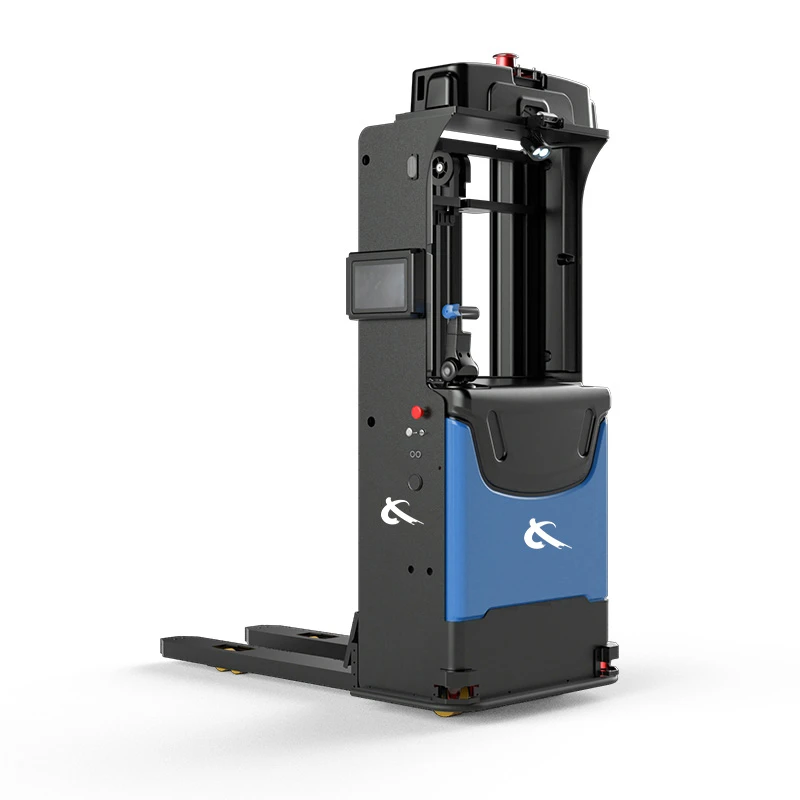

Our AGV Stacker is an automated guided vehicle that offers high - precision operation. It can be powered by lithium - ion batteries for maximum efficiency and long - term performance.
For warehouses with narrow aisles, our Automated Narrow Aisle Stacker is the perfect solution. It can be powered by either battery or fuel cell technology, depending on the specific application.
Contact Us for Your Smart Stacker Needs
If you're interested in learning more about our smart stackers and the power sources available, we'd love to hear from you. Whether you're looking to upgrade your existing warehouse equipment or are starting a new project, our team of experts can help you choose the right power source and stacker for your needs. Contact us today to start a discussion about your requirements and how we can help you optimize your warehousing operations.
References
- "Battery Technologies for Industrial Vehicles" - Industrial Battery Association
- "Fuel Cell Technology for Material Handling Equipment" - Fuel Cell and Hydrogen Energy Association
- "Solar Power in Warehouse Automation" - Journal of Sustainable Logistics and Supply Chain Management