


Hey there! As a solid tires supplier, I often get asked about various aspects of our products, and one question that comes up quite a bit is, "What is the noise level of solid tires?" Well, let's dive right into it and explore this topic in detail.
First off, it's important to understand what solid tires are. Solid tires are made entirely of rubber or a rubber - like compound, without an air cavity. They're known for their durability, resistance to punctures, and long - lasting performance. You'll commonly find them on industrial equipment like forklifts, pallet jacks, and some construction vehicles.
Now, let's talk about noise. Noise is an important factor, especially in work environments. Excessive noise can not only be annoying but can also lead to hearing problems for workers over time. So, how noisy are solid tires?
Compared to pneumatic tires (the ones with air inside), solid tires generally produce less noise. Pneumatic tires can create a lot of noise due to the air movement inside the tire, especially when the tire is rolling over uneven surfaces. The air inside the tire can compress and expand rapidly, causing a whooshing or humming sound.
Solid tires, on the other hand, don't have this air - related noise source. The rubber compound of solid tires is designed to provide a smooth and quiet ride. When the tire rolls, the rubber simply deforms slightly under the weight of the vehicle and then returns to its original shape. This process is relatively quiet, especially when the tire is in good condition.
However, the noise level of solid tires can still be affected by several factors. One of the main factors is the surface on which the tire is rolling. If the surface is rough, like a gravel road or a pothole - filled parking lot, the solid tire will make more noise as it bumps over the irregularities. The rubber will hit the bumps and vibrations will be transferred through the tire, creating a knocking or rattling sound.
Another factor is the speed of the vehicle. As the speed increases, the noise level of the solid tire also tends to go up. At higher speeds, the tire has to work harder to maintain contact with the road surface, and this can cause more friction and vibration, resulting in increased noise.
The quality of the solid tire also plays a role. High - quality solid tires are often made with better rubber compounds and manufacturing processes. These tires are designed to minimize noise and vibration. They may have special tread patterns that help to disperse the forces evenly across the tire, reducing the amount of noise generated.
For example, our Tires with Raised Rim Protector are not only great at protecting the rim but also have a low - noise design. The raised rim protector helps to keep the tire in place and reduces the chances of the tire slipping on the rim, which can cause additional noise.
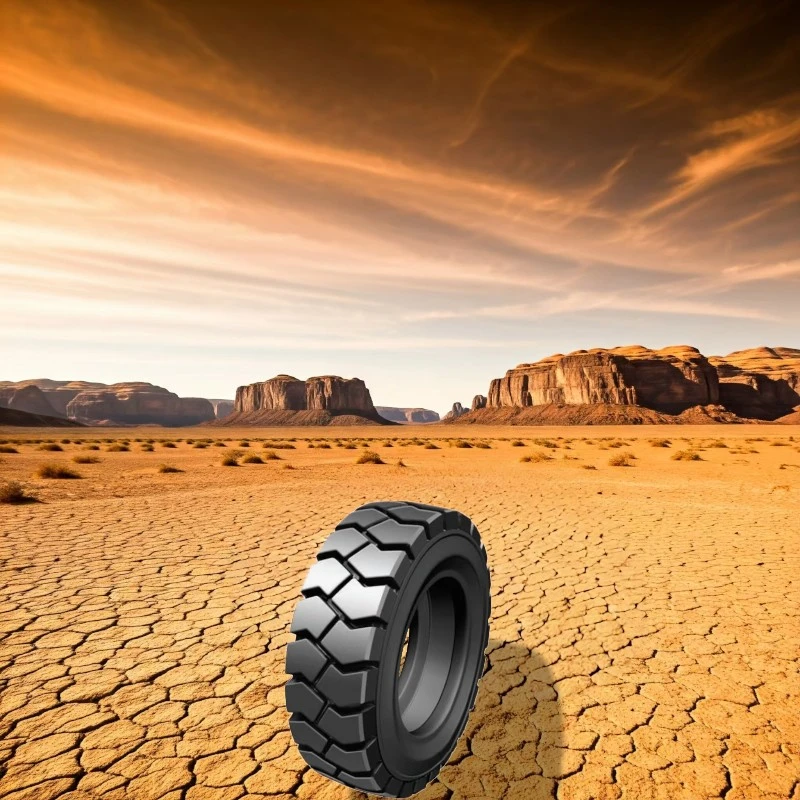

If you're looking for solid tires that offer low rolling resistance and quiet operation, you might be interested in our Best Low Rolling Resistance Tires for Electric Cars. These tires are specifically designed for electric vehicles, where noise reduction is crucial for a comfortable driving experience.
Our Light - duty Tires are also a good option for applications where noise is a concern. These tires are made for lighter vehicles and are designed to provide a smooth and quiet ride.
In an industrial setting, reducing noise can have many benefits. It can improve the working environment for employees, making it more pleasant and less stressful. It can also help to meet noise regulations in some areas. For example, in a warehouse where there are a lot of forklifts moving around, having quiet solid tires can make the place a lot more bearable for workers.
If you're in the market for solid tires and noise is a top priority, here are some tips to keep in mind. First, choose a tire with a good tread pattern. A well - designed tread pattern can help to reduce noise by providing better traction and dispersing the forces evenly. Second, make sure to maintain your tires properly. Regularly check the tire pressure (even though solid tires don't have air pressure in the traditional sense, they can still wear unevenly), and replace the tires when they start to show signs of excessive wear.
In conclusion, solid tires generally have a lower noise level compared to pneumatic tires. But the actual noise level can vary depending on factors like the surface, speed, and quality of the tire. At our company, we understand the importance of noise reduction, and we offer a range of solid tires that are designed to provide a quiet and smooth ride.
If you're interested in learning more about our solid tires or have any questions about noise levels or other aspects of our products, don't hesitate to get in touch. We're always happy to discuss your specific needs and help you find the right tires for your application. Whether you're looking for tires for industrial equipment, electric cars, or light - duty vehicles, we've got you covered.
References
- Tire Noise Research Institute Reports
- Industrial Tire Manufacturer's Manuals
- Studies on Vehicle Noise and Vibration Reduction