


Hey there! As a supplier of solid tires, I often get asked about the maximum speed rating for solid tires. It's a super important question, especially for folks who rely on their vehicles or equipment that use these tires. So, let's dive right into it and break down what you need to know.
First off, what are solid tires? Well, unlike pneumatic tires that are filled with air, solid tires are made of solid rubber. They're known for their durability, resistance to punctures, and low maintenance. You'll commonly find them on forklifts, industrial equipment, and some small vehicles.
Now, the maximum speed rating for solid tires isn't a one - size - fits - all answer. It depends on a bunch of factors. One of the main things is the design and construction of the tire itself. Different manufacturers use different materials and manufacturing processes, which can affect how fast the tire can safely go.
For light - duty applications, like those used on small hand - pushed carts or some low - speed indoor vehicles, the maximum speed rating can be relatively low. These Light - duty Tires are usually designed for slow, steady movement. You might see speed ratings in the range of 5 to 10 miles per hour. This is because they're built more for maneuverability and stability at low speeds rather than high - speed performance.
On the other hand, for more heavy - duty solid tires used on larger industrial equipment like forklifts, the speed ratings can vary. Some heavy - duty solid tires can handle speeds up to 25 miles per hour. But this is still quite a bit lower compared to the speed ratings of regular pneumatic tires on cars. The reason for this difference is that solid tires have a different heat - dissipation capacity.
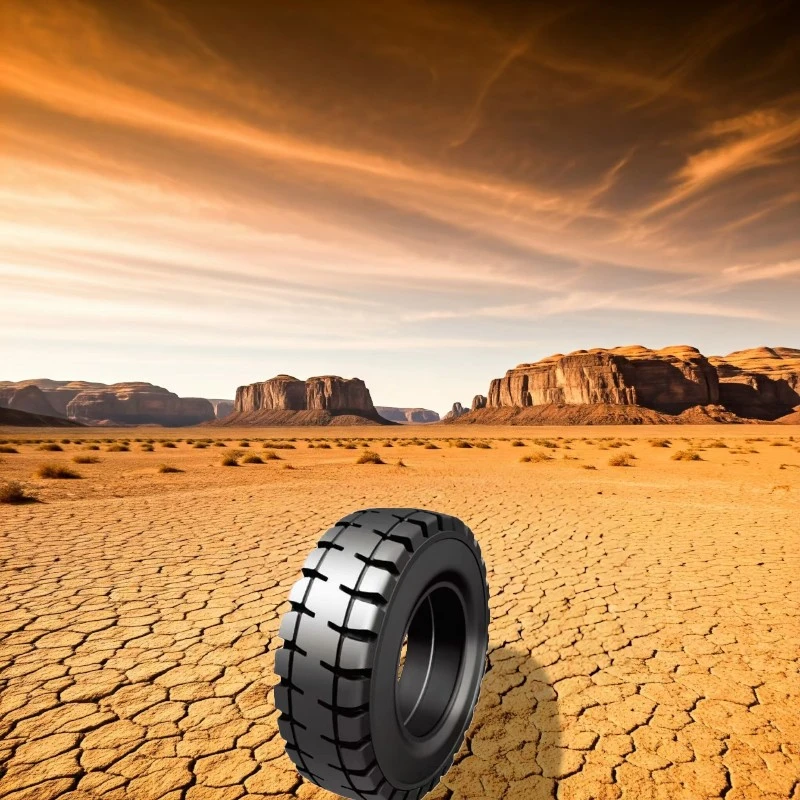

When a tire rotates at high speeds, it generates heat. Pneumatic tires have air inside them, which helps to dissipate this heat. Solid tires, being made of solid rubber, don't have that built - in heat - dissipation mechanism. So, if you try to run a solid tire at too high a speed, the heat can build up quickly. This can lead to the rubber deteriorating, reducing the tire's lifespan, and even causing safety issues.
Another factor that affects the maximum speed rating is the load on the tire. If a solid tire is carrying a heavy load, it will have a lower maximum speed rating. This is because the extra weight puts more stress on the tire. When the tire is moving, the stress is compounded at higher speeds. So, for example, a solid tire on a forklift that's fully loaded might have a lower speed limit compared to the same tire when the forklift is empty.
The type of surface the tire is running on also matters. If the surface is smooth and flat, the tire can generally handle a higher speed compared to a rough or uneven surface. On a rough surface, the tire has to deal with more shocks and vibrations. These can cause additional stress on the tire, and running at high speeds in such conditions can increase the risk of damage.
Now, let's talk about some of the special features of solid tires that can impact their speed ratings. Tires with a raised rim protector, like those in the Tires with Raised Rim Protector category, are designed to protect the rim from damage. However, this extra feature can also add a bit of weight to the tire. The added weight can slightly reduce the maximum speed rating because it requires more energy to move the tire at high speeds.
In the context of electric cars, there's a growing interest in Best Low Rolling Resistance Tires for Electric Cars. Solid tires can offer low rolling resistance, which is great for energy efficiency. But again, the speed ratings for solid tires on electric cars would be limited due to the heat - generation and heat - dissipation issues we talked about earlier.
As a solid tire supplier, I understand that you might be looking for the best balance between speed, load - carrying capacity, and durability. That's why we offer a wide range of solid tires to meet different needs. Whether you need a light - duty tire for a small indoor vehicle or a heavy - duty tire for industrial equipment, we've got you covered.
If you're in the market for solid tires, it's crucial to choose the right ones based on your specific requirements. Make sure to consider the maximum speed rating, the load you'll be carrying, and the type of surface the tire will be used on. Don't just go for the cheapest option; think about the long - term performance and safety of the tire.
We're here to help you make the best choice. Our team of experts can answer all your questions and guide you through the selection process. If you're interested in learning more about our solid tires or want to discuss your specific needs, don't hesitate to reach out. We're always happy to have a chat and help you find the perfect solid tires for your application.
In conclusion, the maximum speed rating for solid tires varies depending on factors like design, load, surface, and special features. By understanding these factors, you can make an informed decision when it comes to choosing solid tires. And remember, we're just a conversation away if you need any assistance with your purchase.
References
- Tire industry standards and guidelines
- Manufacturer specifications for solid tires
- Research on tire performance and heat dissipation