


The lifting speed of a counterbalance stacker is a crucial factor that significantly impacts its efficiency and productivity in various industrial and warehousing applications. As a counterbalance stacker supplier, I understand the importance of this parameter and its implications for our customers. In this blog, I will delve into the concept of the lifting speed of a counterbalance stacker, exploring its determinants, significance, and how it relates to our product offerings.
Understanding the Lifting Speed of a Counterbalance Stacker
The lifting speed of a counterbalance stacker refers to the rate at which the forks or load - carrying platform can be raised or lowered. It is typically measured in meters per minute (m/min). This speed is a combination of the upward (lifting) and downward (lowering) movement capabilities of the stacker.
The lifting speed is influenced by several factors. Firstly, the power source of the counterbalance stacker plays a vital role. Electric counterbalance stackers, which are popular for their environmental friendliness and low - maintenance requirements, often have different lifting speeds compared to their diesel or gas - powered counterparts. Electric stackers generally offer smooth and controlled lifting, and their speed can be precisely regulated. For example, modern electric counterbalance stackers can have lifting speeds ranging from 10 to 30 m/min, depending on the model and its design specifications.
Secondly, the hydraulic system of the stacker is a key determinant. A well - designed hydraulic system can ensure efficient power transmission, enabling faster and more stable lifting. The size and capacity of the hydraulic pump, as well as the quality of the hydraulic fluid and valves, all contribute to the overall lifting performance. High - quality hydraulic components can minimize energy losses and provide consistent lifting speeds, even under heavy loads.
The load capacity of the counterbalance stacker also affects the lifting speed. As a general rule, the heavier the load, the slower the lifting speed. This is because the stacker needs to exert more force to lift a heavier load, and the hydraulic system may need to work harder to maintain stability. For instance, a 2 Ton CounterBalance forklift may have a different lifting speed when fully loaded compared to when it is carrying a lighter load. When the load is close to its maximum capacity, the lifting speed may be reduced to ensure safe and reliable operation.
Significance of Lifting Speed in Industrial Operations
The lifting speed of a counterbalance stacker has far - reaching implications for industrial operations. In a busy warehouse or distribution center, where time is of the essence, a faster lifting speed can significantly increase productivity. Faster lifting allows for quicker loading and unloading of goods, reducing the time spent on each operation. This, in turn, enables more cycles of loading and unloading within a given time frame, leading to higher throughput.
For example, in a high - volume e - commerce fulfillment center, where orders need to be processed rapidly, a counterbalance stacker with a high lifting speed can help meet the tight deadlines. Workers can move goods more efficiently from storage racks to shipping areas, ensuring that orders are dispatched on time.
Moreover, the lifting speed also impacts the overall efficiency of the workflow. A stacker with a consistent and appropriate lifting speed can integrate better with other equipment and processes in the warehouse. It can work in harmony with conveyor belts, automated storage and retrieval systems, and other material - handling equipment, creating a seamless and efficient operation.
In addition, a faster lifting speed can contribute to cost savings. By reducing the time required for each lifting operation, less labor is needed per unit of work. This can lead to lower labor costs in the long run. Furthermore, faster operations mean that the stacker spends less time in use, which can result in reduced wear and tear on the equipment, lowering maintenance and replacement costs.
Our Product Offerings and Lifting Speeds
As a counterbalance stacker supplier, we offer a diverse range of products with different lifting speeds to meet the varying needs of our customers. Our Walkie Counterbalanced Stacker is designed for applications where maneuverability and flexibility are key. These stackers are often used in smaller warehouses or areas with limited space. They typically have a lifting speed that is optimized for their size and intended use, allowing for efficient operation in tight spaces.
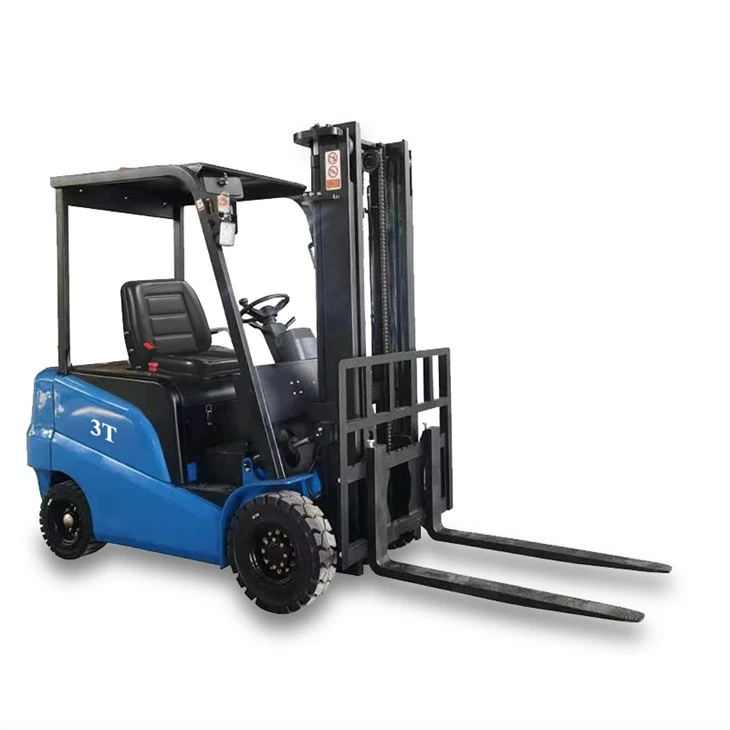
Our 3 Ton CounterBalance forklift is a heavy - duty option suitable for handling larger and heavier loads. Despite its high load - carrying capacity, we have engineered it to have a competitive lifting speed. Our team of engineers has carefully designed the hydraulic system and power train to ensure that the lifting speed is not compromised while maintaining stability and safety.
We also understand that different industries have different requirements for lifting speeds. For example, the food and beverage industry may require a slower and more precise lifting speed to avoid damage to delicate products, while the construction industry may need a faster speed to handle large and heavy building materials. That's why we offer customizable options for our counterbalance stackers, allowing customers to choose the lifting speed that best suits their specific applications.

Factors to Consider When Choosing a Counterbalance Stacker Based on Lifting Speed
When customers are selecting a counterbalance stacker, the lifting speed is just one of the many factors to consider. The type of goods to be handled is an important consideration. If the goods are fragile or require gentle handling, a slower and more controlled lifting speed may be preferred. On the other hand, if the goods are robust and can withstand faster movements, a higher lifting speed can be chosen to increase productivity.
The layout of the warehouse or working area also matters. In a narrow - aisle warehouse, a stacker with a slower but more precise lifting speed may be more suitable to ensure safe and accurate positioning of the load. In a large, open - floor warehouse, a faster lifting speed can be more beneficial as there is more space for the stacker to operate.
Another factor is the frequency of use. If the stacker will be used continuously throughout the day, a stacker with a reliable and consistent lifting speed is essential. It should be able to maintain its performance even under heavy - duty usage without significant wear and tear.
Contact Us for Your Counterbalance Stacker Needs
If you are in the market for a counterbalance stacker and are interested in learning more about our products and their lifting speeds, we encourage you to get in touch with us. Our team of experts is ready to provide you with detailed information, answer your questions, and help you select the right counterbalance stacker for your specific requirements. Whether you need a stacker for a small - scale operation or a large - scale industrial facility, we have the solutions to meet your needs. Let's start a conversation about how our counterbalance stackers can enhance the efficiency and productivity of your business.
References
- "Material Handling Equipment Handbook" - A comprehensive guide on various types of material - handling equipment, including counterbalance stackers, and their performance parameters.
- Industry reports on warehousing and logistics, which provide insights into the latest trends and requirements for counterbalance stackers in different industries.