


What is the height limit of a counterbalance stacker? This is a question that many potential buyers and warehouse operators often ask. As a counterbalance stacker supplier, I'm here to provide a detailed and scientific answer to this query.
Understanding Counterbalance Stackers
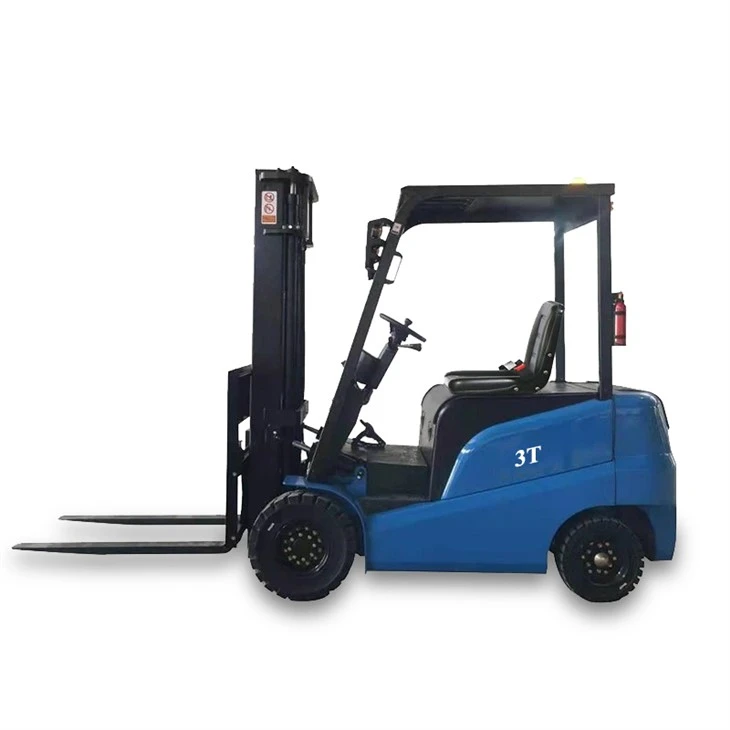
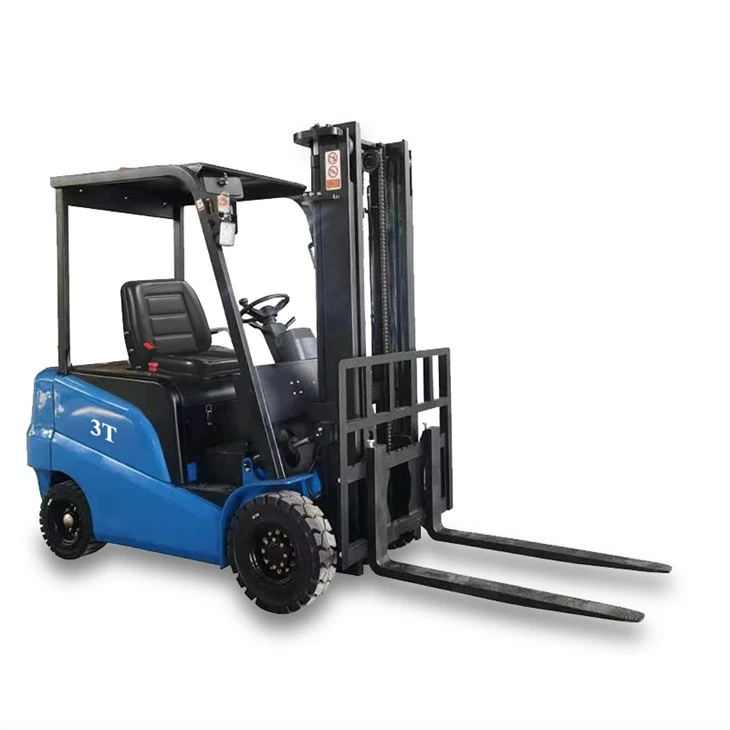
Before delving into the height limit, it's essential to understand what a counterbalance stacker is. A counterbalance stacker is a type of material - handling equipment commonly used in warehouses, distribution centers, and manufacturing facilities. It is designed to lift, move, and stack palletized goods. The key feature of a counterbalance stacker is its counterweight at the rear, which helps to balance the load being lifted at the front, preventing the machine from tipping over.
There are different types of counterbalance stackers available in the market. For instance, the [3 Ton CounterBalance forklift](/forklift/counterbalance-stacker/3 - ton - counterbalance - forklift.html) is a heavy - duty option suitable for handling large and heavy loads. On the other hand, the Electric Counter Balance stacker is an environmentally friendly choice, powered by electricity, which is ideal for indoor use where emissions need to be minimized. The Walkie Counterbalanced Stacker is a more maneuverable option, often used in smaller spaces as the operator walks alongside the machine.
Factors Affecting the Height Limit
The height limit of a counterbalance stacker is not a fixed value and is influenced by several factors:
1. Design and Construction
The physical design of the stacker plays a crucial role. The mast, which is the vertical structure that raises and lowers the forks, is a key determinant. Stackers with taller masts can generally reach greater heights. However, taller masts also require more robust construction to ensure stability. For example, a stacker with a single - stage mast will have a lower height limit compared to a stacker with a multi - stage mast. Multi - stage masts can telescope, allowing the forks to reach higher positions while maintaining a relatively compact overall structure when retracted.
2. Load Capacity
The weight of the load being lifted has a significant impact on the height limit. As the load capacity increases, the stacker's stability becomes more critical. To maintain balance, the height to which a heavier load can be lifted is often reduced. For instance, a counterbalance stacker might be able to lift a 1 - ton load to a height of 6 meters, but when the load is increased to 2 tons, the maximum height might be reduced to 4 meters. This is because the center of gravity of the machine - load system changes with the load weight, and a higher center of gravity increases the risk of tipping.
3. Floor Conditions
The condition of the floor where the stacker operates also affects the height limit. A smooth, level, and strong floor provides a stable base for the stacker. Uneven floors can cause the stacker to tilt, reducing its stability and thus limiting the safe height to which it can lift loads. Additionally, the floor's load - bearing capacity is important. If the floor cannot support the combined weight of the stacker and the load at a certain height, it can lead to floor damage and pose a safety risk.
4. Operator Skill
The skill and experience of the operator can influence the effective height limit. A well - trained operator is more likely to operate the stacker safely at higher heights. They know how to handle the machine's controls, position the load correctly, and make adjustments for different operating conditions. Inexperienced operators may make mistakes that can compromise the stacker's stability, especially when operating at greater heights.
Typical Height Limits in the Market
In the market, counterbalance stackers come with a wide range of height limits. Entry - level or smaller stackers may have a height limit of around 2 - 3 meters. These are often used in small warehouses or retail stores where the storage racks are not very tall.
Mid - range counterbalance stackers typically have a height limit of 4 - 6 meters. These are suitable for most medium - sized warehouses with standard - height storage racks. They can handle a variety of loads and are versatile in different warehouse operations.
High - end or specialized counterbalance stackers can reach heights of up to 10 meters or more. These are used in large distribution centers or high - bay warehouses where maximizing vertical storage space is crucial. However, operating stackers at such heights requires strict safety measures and highly trained operators.
Safety Considerations at Maximum Height
When operating a counterbalance stacker at or near its height limit, safety is of utmost importance. Here are some key safety considerations:
1. Load Stability
The load must be properly secured on the forks. Loose or unevenly distributed loads can shift during lifting, which can cause the stacker to become unstable. It's important to use appropriate load - securing devices such as straps or nets, especially when lifting loads to greater heights.
2. Visibility
The operator's visibility is reduced at higher heights. They need to have clear sightlines to ensure that the load is being placed correctly on the storage rack. Some stackers are equipped with cameras or other visibility - enhancing features to help the operator see better at height.
3. Wind and Air Currents
In large warehouses or outdoor environments, wind and air currents can affect the stability of the stacker at high heights. Operators should be aware of these factors and take appropriate precautions, such as reducing the height of the load or waiting for more favorable conditions.
Choosing the Right Counterbalance Stacker Based on Height Requirements
When choosing a counterbalance stacker, it's essential to consider your specific height requirements. Here are some steps to follow:
1. Assess Your Warehouse Layout
Measure the height of your storage racks. This will give you a clear idea of the minimum height limit your stacker should have. If you plan to expand your warehouse or increase the height of your racks in the future, it's advisable to choose a stacker with some extra height capacity.
2. Consider the Load Characteristics
Think about the types of loads you will be handling. If you have heavy or bulky loads, you may need a stacker with a lower height limit but higher load capacity. On the other hand, if your loads are relatively light, you can opt for a stacker with a higher height limit.
3. Evaluate Your Budget
Stackers with higher height limits and more advanced features tend to be more expensive. You need to balance your height requirements with your budget. It's important to find a stacker that meets your needs without overspending.
Conclusion
The height limit of a counterbalance stacker is a complex parameter that is influenced by various factors such as design, load capacity, floor conditions, and operator skill. As a counterbalance stacker supplier, we understand the importance of providing our customers with the right equipment for their specific needs. Whether you need a stacker for a small retail store or a large distribution center, we have a wide range of options to choose from.
If you are interested in purchasing a counterbalance stacker and want to discuss your height requirements and other needs in detail, please feel free to contact us. Our team of experts is ready to assist you in making the right choice for your business.
References
- Material Handling Equipment Handbook
- Industry Standards for Counterbalance Stackers