


In the bustling world of material handling, reach trucks stand out as indispensable workhorses. As a seasoned reach truck supplier, I've witnessed firsthand the pivotal role these machines play in optimizing warehouse operations. Among the various types of reach trucks, single - reach and double - reach trucks are two popular choices, each with its own unique features and applications. In this blog, I'll delve into the differences between single - reach and double - reach trucks to help you make an informed decision when it comes to your material handling needs.
Design and Structure
The most obvious difference between single - reach and double - reach trucks lies in their mast design. A single - reach truck has a mast that can extend forward by one pallet position. This design allows the forks to reach out and pick up or deposit a single pallet at a time. The mast typically consists of a single set of rails and a lifting mechanism that enables the forks to move vertically and horizontally.
On the other hand, a double - reach truck is equipped with a mast that can extend forward by two pallet positions. This is achieved through a more complex mast design, often featuring a telescopic or pantograph mechanism. The double - reach mast allows the truck to access pallets that are located deeper in the racking system without the need to reposition the truck.
The structural differences also affect the overall size and weight of the trucks. Single - reach trucks are generally more compact and lighter than double - reach trucks. This makes them more maneuverable in tight spaces and easier to operate in smaller warehouses. Double - reach trucks, due to their larger and more complex masts, are bulkier and heavier, which may limit their use in some environments.
Load Capacity
Load capacity is another crucial factor to consider when comparing single - reach and double - reach trucks. Single - reach trucks typically have a lower load capacity compared to double - reach trucks. The load capacity of a single - reach truck usually ranges from 1 to 2.5 tons, depending on the model and manufacturer. For example, our Reach Truck 1.2 Ton is designed to handle loads of up to 1.2 tons efficiently.
Double - reach trucks, on the other hand, are capable of handling heavier loads. They can typically lift loads ranging from 1.5 to 3 tons or more. Our 2.5 Ton Large Reach Electric Forklift is a prime example of a high - capacity double - reach truck that can handle substantial loads with ease.
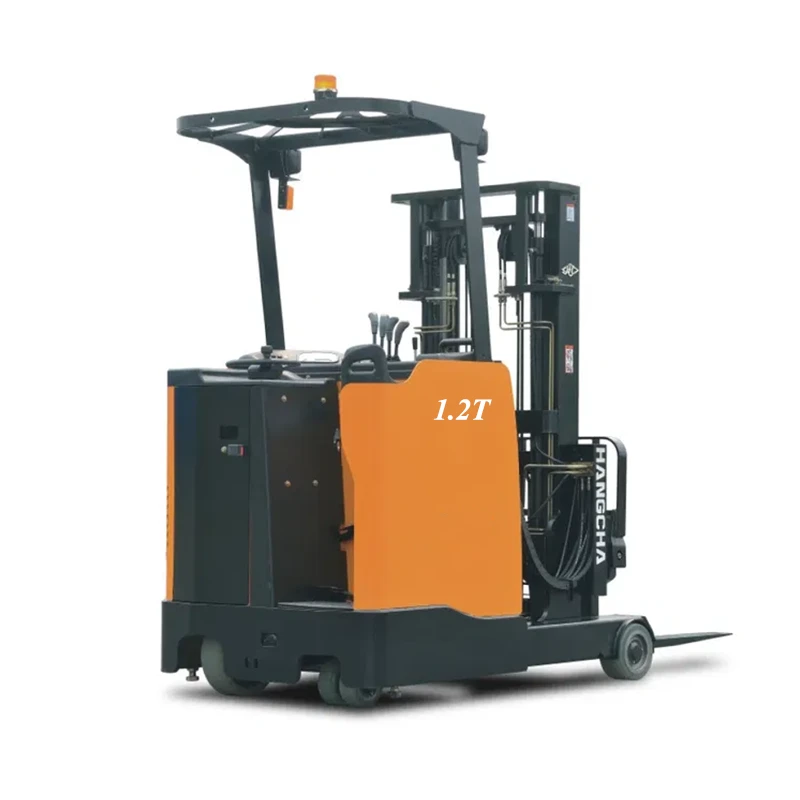
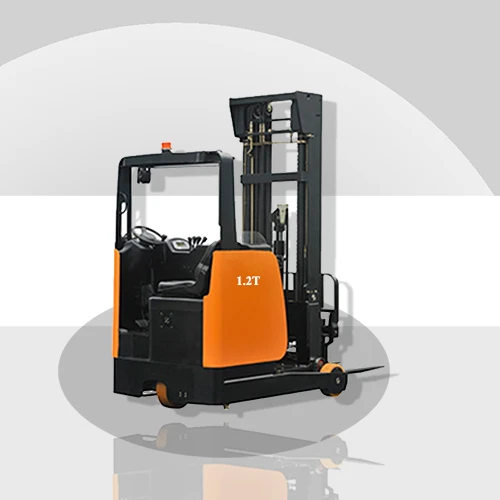
However, it's important to note that the load capacity can also be affected by other factors such as the lift height, the type of load, and the stability of the truck. When choosing a reach truck, it's essential to consider your specific load requirements to ensure that the truck can handle the loads safely and efficiently.
Reach and Storage Density
One of the main advantages of double - reach trucks is their ability to increase storage density. Since they can reach two pallet positions at once, they can access pallets that are located deeper in the racking system. This allows for more pallets to be stored in a given area, maximizing the use of warehouse space.
Single - reach trucks, while they have a more limited reach, are still effective in many warehouse layouts. They are ideal for applications where the pallets are stored in single - deep racking or where the aisles are narrow. For example, in a small - to - medium - sized warehouse with limited floor space, a single - reach truck like our 1.2 Ton Stand Up Electric Reach can provide the flexibility and maneuverability needed to move pallets quickly and efficiently.
Maneuverability
Maneuverability is a key consideration in warehouse operations. Single - reach trucks have an edge in terms of maneuverability due to their smaller size and lighter weight. They can easily navigate through narrow aisles and tight corners, making them suitable for warehouses with limited space. The turning radius of a single - reach truck is typically smaller than that of a double - reach truck, allowing for more precise control in confined areas.
Double - reach trucks, while they may be less maneuverable in tight spaces, offer greater reach and storage density. They are better suited for warehouses with wider aisles and larger storage areas. However, operators need to be more cautious when operating double - reach trucks due to their larger size and the complexity of the mast mechanism.
Speed and Productivity
The speed of operation can significantly impact productivity in a warehouse. Single - reach trucks are generally faster in terms of travel speed and lifting speed compared to double - reach trucks. Their simpler mast design allows for quicker movement of the forks, enabling operators to pick and deposit pallets more rapidly.
Double - reach trucks, although they may be slower in terms of individual operations, can increase overall productivity in certain situations. Since they can access two pallets at once, they can reduce the number of trips required to move pallets in and out of the racking system. This can result in a higher throughput in warehouses with high - volume pallet handling requirements.
Cost
Cost is always a significant factor when making a purchasing decision. Single - reach trucks are generally less expensive than double - reach trucks. This is due to their simpler design, lower manufacturing costs, and smaller size. The initial purchase price of a single - reach truck is typically lower, and they also tend to have lower operating costs, including energy consumption and maintenance.
Double - reach trucks, on the other hand, are more expensive upfront due to their complex mast design and higher load - handling capabilities. However, in the long run, they can provide a better return on investment in warehouses where storage density and high - volume pallet handling are critical.
Applications
The choice between a single - reach and a double - reach truck depends largely on the specific application and the requirements of the warehouse. Single - reach trucks are commonly used in small - to - medium - sized warehouses, retail stores, and distribution centers where space is limited and the load capacity requirements are relatively low. They are also suitable for applications where quick maneuverability and high - speed operation are essential.
Double - reach trucks are ideal for large - scale warehouses, cold storage facilities, and manufacturing plants where high storage density and heavy - load handling are required. They can help to optimize the use of warehouse space and increase productivity in high - volume operations.
Conclusion
In conclusion, both single - reach and double - reach trucks have their own unique advantages and disadvantages. As a reach truck supplier, I understand that choosing the right truck for your warehouse is a critical decision that can impact your operations and bottom line. By considering factors such as design, load capacity, reach, maneuverability, speed, cost, and application, you can make an informed choice that meets your specific needs.
If you're still unsure which type of reach truck is best for your business, I encourage you to contact us for a consultation. Our team of experts can assess your requirements and recommend the most suitable reach truck solution for your warehouse. Whether you need a single - reach truck for a small - scale operation or a double - reach truck for a large - scale facility, we have the products and expertise to help you optimize your material handling processes. Let's work together to find the perfect reach truck for your business and take your warehouse operations to the next level.
References
- Industrial Truck Association (ITA) - Material Handling Equipment Standards and Guidelines
- Various Reach Truck Manufacturer Brochures and Technical Specifications