


Hey there! As a supplier of Robots for Logistics, I've been knee - deep in the world of logistics robots for quite some time. One of the most common questions I get is about the differences between autonomous and semi - autonomous logistics robots. So, let's dive right in and break it down.
How They Navigate
First off, let's talk about navigation. Autonomous logistics robots are like the independent explorers of the warehouse. They use a bunch of high - tech sensors such as LiDAR, cameras, and ultrasonic sensors. These sensors work together to create a detailed map of their surroundings in real - time. They can figure out the best path to their destination all on their own, avoiding obstacles without any human input.
For example, if there's a pallet that's been accidentally left in the middle of the aisle, an autonomous robot will detect it and quickly reroute. It's like having a little self - driving car in your warehouse.
On the other hand, semi - autonomous robots need a bit more guidance. They often rely on pre - defined paths or markers on the floor. Think of them as following a set of railroad tracks. You have to set up these paths in advance, and the robot will stick to them. If there's an unexpected obstacle, it might not be able to figure out what to do on its own. It'll probably just stop and wait for a human operator to step in and help it out.
Decision - Making Capabilities
When it comes to decision - making, autonomous robots are the smarty - pants of the bunch. They can analyze data from their sensors and make complex decisions on the fly. For instance, if there are multiple tasks to complete and different routes available, an autonomous robot can calculate the most efficient way to get everything done. It can prioritize tasks based on factors like urgency, distance, and available resources.
Semi - autonomous robots, however, have limited decision - making power. Their actions are mostly pre - programmed. They can perform basic tasks like moving from one point to another along the set path, but they can't really adapt to new situations without human intervention. If there's a change in the task requirements, you'll have to reprogram the robot or give it new instructions.
Flexibility and Adaptability
Autonomous robots offer a high level of flexibility and adaptability. Since they can navigate freely and make their own decisions, they can easily handle changes in the warehouse layout. If you decide to rearrange the shelves or add new storage areas, an autonomous robot can quickly adjust to the new environment. It can also be used in different types of logistics operations with minimal setup changes.
Semi - autonomous robots are less flexible. They're tied to the pre - defined paths, so any changes in the layout can be a big problem. You'll have to spend time and effort to re - configure the paths and markers. This makes them less suitable for dynamic environments where things are constantly changing.
Cost Considerations
Now, let's talk about money. Autonomous robots are generally more expensive. The advanced sensors and complex software needed for their operation come at a high price. Additionally, the development and maintenance of these robots require a high level of technical expertise, which also adds to the cost.
Semi - autonomous robots are more budget - friendly. They have simpler technology and fewer components, so they're cheaper to purchase. The maintenance costs are also lower since they don't have as many complex systems to keep in working order. However, you have to factor in the cost of setting up and maintaining the pre - defined paths and markers.
Use Cases
Autonomous robots are great for large - scale, complex logistics operations. In big warehouses with a high volume of goods movement and constantly changing layouts, they can really shine. They can handle a wide range of tasks, from picking and packing to transporting goods across long distances. For example, in an e - commerce fulfillment center where orders are coming in and out all the time, autonomous robots can ensure that the goods are moved quickly and efficiently.
Semi - autonomous robots are better suited for smaller, more predictable operations. In a small warehouse where the layout doesn't change often and the tasks are relatively simple, they can get the job done at a lower cost. For instance, in a local distribution center where goods are mainly moved between a few fixed points, semi - autonomous robots can be a cost - effective solution.
Our Product Offerings
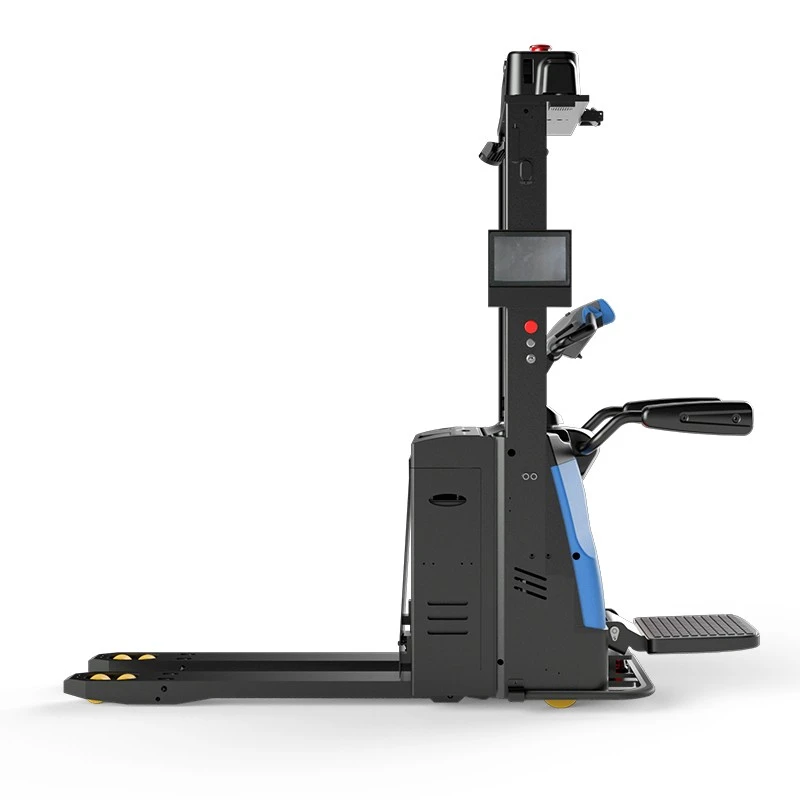
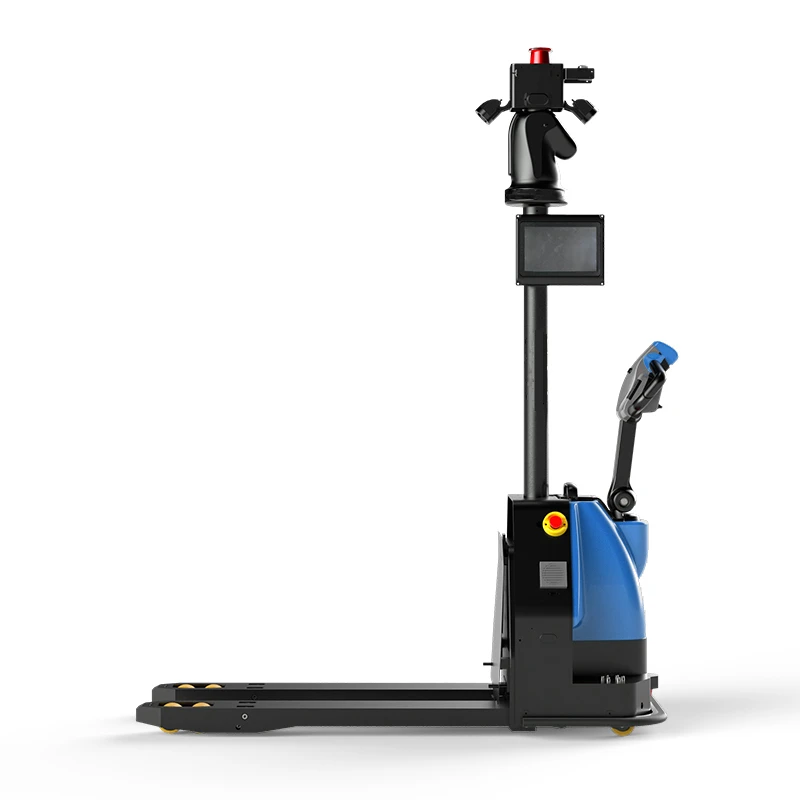
As a Robots for Logistics supplier, we offer a variety of both autonomous and semi - autonomous robots to meet different customer needs. Our Point - to - Point Intelligent Automatic Transport Vehicle is a great example of an autonomous robot. It can navigate through complex environments and transport goods efficiently from one point to another.
If you're looking for a more budget - friendly option, our High Speed Automated Transport Vehicle is a semi - autonomous robot that can follow pre - defined paths at high speeds. And for those who need a specialized solution, our Pedal Type Automated Guided Vehicle is a unique semi - autonomous option that offers a different way of moving goods.
Wrapping Up
In conclusion, the choice between autonomous and semi - autonomous logistics robots depends on your specific needs. If you have a large, dynamic operation and can afford the investment, autonomous robots are the way to go. They offer more flexibility, better decision - making, and can adapt to changing environments. But if you're working with a smaller budget and a more predictable operation, semi - autonomous robots can be a practical choice.
If you're interested in learning more about our logistics robots or are thinking about making a purchase, feel free to reach out. We're here to help you find the perfect solution for your logistics needs.
References
- "Logistics Automation: Technologies and Applications" by John Smith
- "Autonomous and Semi - Autonomous Systems in Warehouse Operations" by Jane Doe
- Industry reports from leading logistics and robotics research firms