


Hey there! As a reach truck supplier, I've seen my fair share of reach truck problems over the years. And let me tell you, troubleshooting these issues can be a real headache if you don't know what you're doing. But don't worry, I'm here to help you out. In this blog post, I'll share some tips and tricks on how to troubleshoot reach truck problems like a pro.
Common Reach Truck Problems and How to Fix Them
Battery Issues
One of the most common problems with reach trucks is battery issues. If your reach truck isn't starting or is losing power quickly, it could be a sign that the battery needs to be charged or replaced. Here's how you can troubleshoot battery issues:
- Check the Battery Charge: The first thing you should do is check the battery charge. Most reach trucks have a battery indicator that shows the charge level. If the indicator shows that the battery is low, you should charge it immediately.
- Inspect the Battery Connections: If the battery is fully charged but the reach truck still isn't starting, you should inspect the battery connections. Make sure the connections are clean and tight. If the connections are loose or corroded, you should clean them or replace them.
- Test the Battery: If you suspect that the battery is faulty, you can test it using a battery tester. A battery tester will tell you if the battery is holding a charge or if it needs to be replaced.
Hydraulic System Problems
Another common problem with reach trucks is hydraulic system problems. If your reach truck is having trouble lifting or lowering the forks, it could be a sign that the hydraulic system is malfunctioning. Here's how you can troubleshoot hydraulic system problems:
- Check the Hydraulic Fluid Level: The first thing you should do is check the hydraulic fluid level. Most reach trucks have a hydraulic fluid reservoir that you can check. If the fluid level is low, you should add more fluid.
- Inspect the Hydraulic Hoses and Fittings: If the hydraulic fluid level is normal but the reach truck is still having trouble lifting or lowering the forks, you should inspect the hydraulic hoses and fittings. Make sure the hoses are not damaged or leaking. If the hoses are damaged or leaking, you should replace them.
- Test the Hydraulic Pump: If you suspect that the hydraulic pump is faulty, you can test it using a hydraulic pressure gauge. A hydraulic pressure gauge will tell you if the pump is producing enough pressure to operate the hydraulic system.
Electrical System Problems
Electrical system problems are also common with reach trucks. If your reach truck is having trouble starting or if the lights or other electrical components aren't working, it could be a sign that the electrical system is malfunctioning. Here's how you can troubleshoot electrical system problems:
- Check the Fuses and Relays: The first thing you should do is check the fuses and relays. Most reach trucks have a fuse box that you can check. If a fuse is blown, you should replace it. If a relay is faulty, you should replace it.
- Inspect the Wiring: If the fuses and relays are okay but the reach truck is still having trouble starting or if the lights or other electrical components aren't working, you should inspect the wiring. Make sure the wiring is not damaged or loose. If the wiring is damaged or loose, you should repair or replace it.
- Test the Electrical Components: If you suspect that an electrical component is faulty, you can test it using a multimeter. A multimeter will tell you if the component is working properly or if it needs to be replaced.
When to Call a Professional
While you can troubleshoot many reach truck problems on your own, there are some issues that are best left to the professionals. Here are some signs that you should call a professional:
- You're Not Sure What the Problem Is: If you're not sure what the problem is or if you don't have the tools or knowledge to fix it, you should call a professional.
- The Problem Is Complex: If the problem is complex or if it involves multiple systems, you should call a professional. A professional technician will have the expertise and tools to diagnose and fix the problem.
- The Problem Is Safety-Related: If the problem is safety-related, such as a brake problem or a steering problem, you should call a professional immediately. Safety should always be your top priority.
Conclusion
Troubleshooting reach truck problems can be a challenging task, but it doesn't have to be. By following the tips and tricks outlined in this blog post, you can diagnose and fix many common reach truck problems on your own. However, if you're not sure what the problem is or if the problem is complex or safety-related, you should call a professional.

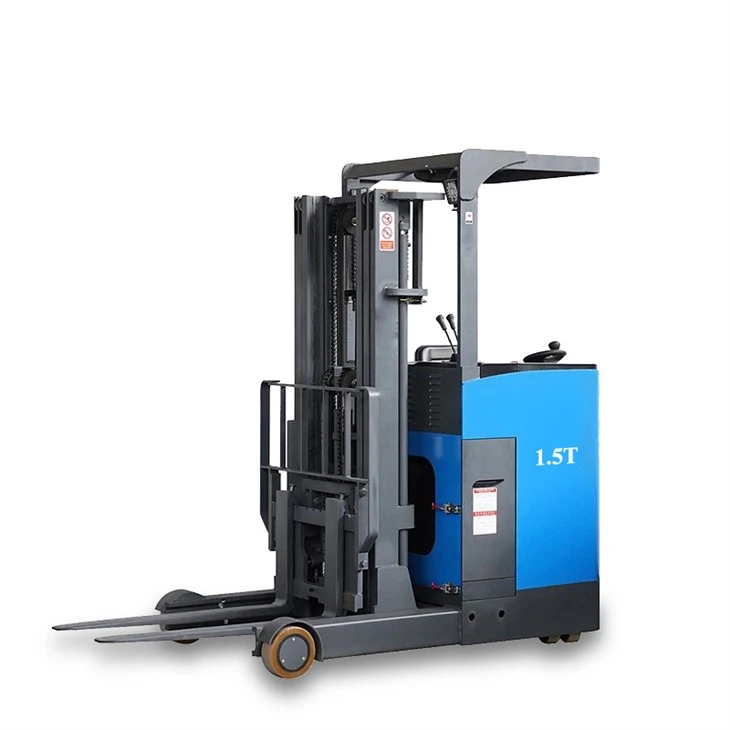
If you're in the market for a new reach truck, we offer a wide range of high-quality reach trucks, including the 1.5 Electric Reach Truck, the 2.5 Ton Large Reach Electric Forklift, and the Reach Truck 1.2 Ton. Our reach trucks are designed to meet the needs of a variety of industries and applications, and we offer competitive pricing and excellent customer service.
If you have any questions or if you'd like to learn more about our reach trucks, please don't hesitate to contact us. We'd be happy to help you find the perfect reach truck for your needs.
References
- Forklift Maintenance Guide. (n.d.). Retrieved from [Website Name]
- Reach Truck Troubleshooting Tips. (n.d.). Retrieved from [Website Name]