


Transporting heavy loads safely is a critical concern in various industries, from warehouses and distribution centers to manufacturing plants. Pallet trucks are indispensable tools for this task, offering efficiency and maneuverability. As a leading pallet trucks supplier, we understand the importance of safe load transportation. In this blog, we'll explore the best practices for using pallet trucks to move heavy loads securely.
Pre - operation Checks
Before using a pallet truck to transport heavy loads, a series of pre - operation checks are essential. First, inspect the pallet truck's physical condition. Check the forks for any signs of damage, such as cracks or bends. Damaged forks can compromise the stability of the load during transportation. Look for any loose or missing parts, including nuts, bolts, and pins. These small components play a crucial role in the overall integrity of the pallet truck.
Next, examine the wheels. The wheels should rotate freely without any wobbling or binding. Flat or damaged tires can cause uneven movement and increase the risk of accidents. Make sure the steering mechanism is responsive and smooth. A faulty steering system can make it difficult to control the pallet truck, especially when navigating tight spaces or making turns with a heavy load.
Also, check the hydraulic system. If it's a hydraulic pallet truck, ensure there are no leaks in the hydraulic hoses. Low hydraulic fluid levels can affect the lifting capacity and performance of the truck. For electric pallet trucks, such as the 1.5 Ton Electric Transporter, check the battery charge. A fully charged battery is necessary for optimal operation, especially when dealing with large and heavy loads.
Load Preparation
Proper load preparation is key to safe transportation. First, select the right pallet for the load. The pallet should be in good condition, without any broken boards or loose nails. It should also be the appropriate size for the load. An undersized pallet may not support the load evenly, while an oversized one can make the load unstable.
Distribute the weight of the load evenly on the pallet. Place heavier items at the bottom and towards the center of the pallet. This helps to lower the center of gravity and improve stability. Avoid stacking the load too high, as a tall load can easily tip over, especially when the pallet truck is in motion or making turns.
Secure the load to the pallet. You can use straps, shrink - wrap, or other appropriate securing methods. This prevents the load from shifting during transportation, which could cause the pallet truck to become unbalanced and lead to an accident.
Loading the Pallet Truck
When loading the pallet truck, approach the pallet slowly and carefully. Align the forks of the pallet truck with the openings in the pallet. Make sure the forks are fully inserted into the pallet before attempting to lift the load. For hydraulic pallet trucks, use the hydraulic pump to raise the forks gradually. Keep an eye on the load to ensure it remains stable during the lifting process.
For electric pallet trucks like the Electric Walk Behind Pallet Jack, use the control buttons to lift the load smoothly. Do not overload the pallet truck. Each pallet truck has a specified maximum load capacity, and exceeding this limit can damage the truck and pose a serious safety risk.
Maneuvering the Pallet Truck
When moving the loaded pallet truck, always walk behind it at a safe distance. Keep your hands on the controls at all times to maintain full control. Walk at a slow and steady pace. Avoid sudden starts, stops, or turns, as these can cause the load to shift and the pallet truck to become unstable.
When navigating through doorways, aisles, or other narrow spaces, be extra cautious. Make sure there is enough clearance for the load and the pallet truck. If necessary, slow down further and make wide turns to prevent the load from hitting the walls or other obstacles.
When going up or down ramps, use extreme caution. For inclined surfaces, the 2.5 Ton Pallet Trucks Strong Gradeability can be a great choice. When going up a ramp, keep the load tilted slightly forward to prevent it from tipping backward. When going down a ramp, keep the load tilted slightly backward and use the brakes or speed - control mechanisms (if available) to maintain a safe speed.
Unloading the Pallet Truck
When it's time to unload the pallet truck, find a stable and level surface. Lower the load gradually using the hydraulic or electric controls. Make sure the load is fully supported by the surface before removing the forks from the pallet.
After unloading, check the pallet truck again for any signs of damage or wear that may have occurred during the transportation process. This helps to ensure the pallet truck is in good condition for the next use.
Training and Certification
Proper training is crucial for anyone operating a pallet truck. Operators should be trained on the correct use of the pallet truck, including pre - operation checks, loading and unloading procedures, and maneuvering techniques. They should also be educated on safety regulations and best practices.
In some regions, operators may be required to obtain certification to operate pallet trucks. This certification ensures that the operators have the necessary knowledge and skills to operate the equipment safely. As a pallet trucks supplier, we can provide training resources and support to help your operators become proficient in using our pallet trucks.
Maintenance and Inspection
Regular maintenance and inspection of pallet trucks are essential for safe operation. Establish a maintenance schedule for your pallet trucks. This may include tasks such as lubricating moving parts, checking the hydraulic fluid levels, and inspecting the electrical components (for electric pallet trucks).
Keep detailed records of all maintenance and inspection activities. This helps to track the condition of the pallet trucks over time and identify any potential issues before they become major problems. Replace worn - out parts promptly to ensure the continued safe and efficient operation of the pallet trucks.
Conclusion
Transporting heavy loads with a pallet truck safely requires careful planning, proper equipment, and well - trained operators. By following the pre - operation checks, load preparation, loading, maneuvering, and unloading procedures outlined in this blog, you can minimize the risk of accidents and ensure the safe transportation of heavy loads.

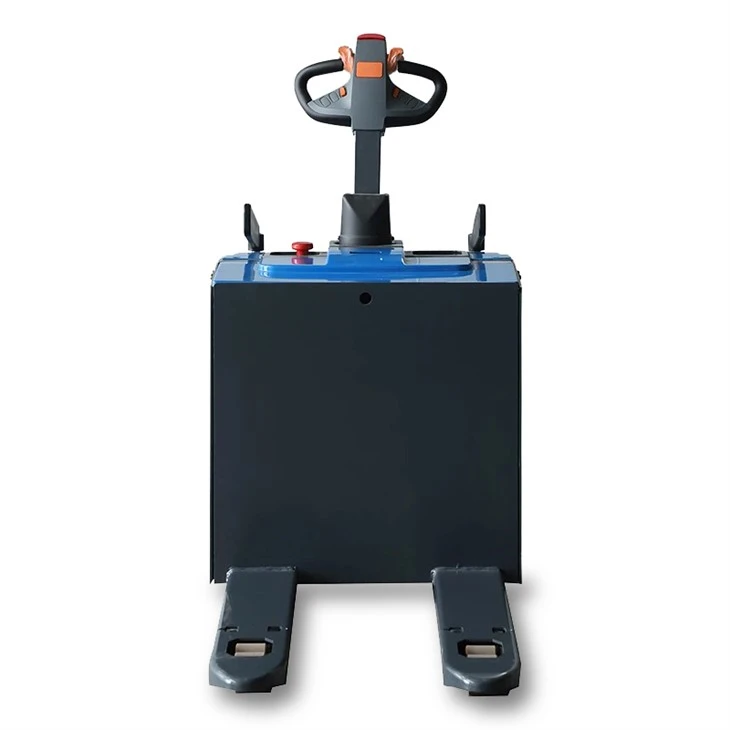
As a trusted pallet trucks supplier, we offer a wide range of high - quality pallet trucks, including the 1.5 Ton Electric Transporter, Electric Walk Behind Pallet Jack, and 2.5 Ton Pallet Trucks Strong Gradeability. If you're interested in purchasing pallet trucks or need more information on safe load transportation, please contact us for procurement discussions. We're here to help you find the best solutions for your heavy - load transportation needs.
References
- OSHA (Occupational Safety and Health Administration) guidelines on powered industrial trucks.
- Manufacturer's manuals for pallet trucks.
- Industry best practices and standards for material handling.