


Hey there, fellow heavy - equipment enthusiasts! As a supplier of heavy - duty excavators, I've seen my fair share of hydraulic system issues in these beasts. The hydraulic system is like the heart of a heavy - duty excavator. It's responsible for powering all the major functions, from lifting heavy loads to digging deep into the ground. So, maintaining it properly is super important. Let's dive right in and talk about how to keep that hydraulic system in tip - top shape.
Regular Fluid Checks and Changes
The first thing you gotta do is keep an eye on the hydraulic fluid. This fluid is what transfers power within the system, and if it's not right, your excavator won't work as it should. You should check the fluid level regularly. A low fluid level can cause cavitation, which is when air bubbles form in the fluid. These bubbles can damage the hydraulic components over time.
You also need to check the fluid's condition. If it looks dirty, cloudy, or has a strange smell, it's probably time for a change. Contaminated fluid can cause wear and tear on the pumps, valves, and cylinders. As a general rule of thumb, you should change the hydraulic fluid every 1000 - 2000 hours of operation, but make sure to follow the manufacturer's recommendations.
When you're changing the fluid, don't forget to replace the filters too. Filters are there to catch any dirt, debris, or metal particles that might be in the fluid. Clogged filters can restrict the flow of fluid and cause pressure problems. You should check and replace the filters at regular intervals, usually every 250 - 500 hours of operation.
Keep the System Clean
Dirt and debris are the enemies of a hydraulic system. They can get into the fluid and cause all sorts of problems. So, it's crucial to keep the excavator and the hydraulic system clean. Before you open any part of the hydraulic system, make sure to clean the area around it thoroughly. This will prevent any dirt from getting into the system when you're working on it.
You should also clean the outside of the hydraulic hoses and fittings regularly. Over time, dirt and grime can build up on these parts, which can lead to leaks. Inspect the hoses for any signs of wear, such as cracks, bulges, or cuts. If you notice any damage, replace the hoses immediately. A leaking hose can not only cause a loss of hydraulic fluid but also pose a safety hazard.
Monitor the Temperature
The hydraulic system generates a lot of heat during operation. If the temperature gets too high, it can break down the hydraulic fluid and damage the components. That's why it's important to monitor the temperature of the hydraulic fluid. Most excavators have a temperature gauge that you can use to keep an eye on it.
If the temperature is consistently high, there might be an issue with the cooling system. Check the radiator and the cooling fan to make sure they're working properly. You might also need to clean the radiator fins to improve the cooling efficiency. If the problem persists, it's best to have a professional take a look at it.
Check the Pressure
Proper pressure is essential for the hydraulic system to work correctly. You should regularly check the pressure in the system using a pressure gauge. The pressure should be within the manufacturer's specified range. If the pressure is too low, the excavator might not have enough power to perform its tasks. On the other hand, if the pressure is too high, it can cause damage to the components.
If you notice any abnormal pressure readings, there could be a problem with the pumps, valves, or other components. For example, a faulty relief valve might be causing the pressure to be too high. In this case, you'll need to have the valve inspected and replaced if necessary.
Train Your Operators
Your operators play a big role in maintaining the hydraulic system. They should be trained on how to operate the excavator properly to avoid putting unnecessary stress on the system. For example, they should avoid overloading the excavator or making sudden, jerky movements. These actions can cause excessive pressure and wear on the hydraulic components.
Operators should also be trained to recognize the signs of a hydraulic system problem, such as strange noises, leaks, or reduced performance. If they notice any of these signs, they should stop using the excavator immediately and report the issue.
Use High - Quality Parts
When it comes to replacing parts in the hydraulic system, always use high - quality parts. Cheaper, low - quality parts might save you some money in the short term, but they're more likely to fail and cause problems in the long run. High - quality parts are designed to meet the specifications of your excavator and will last longer, reducing the need for frequent replacements.
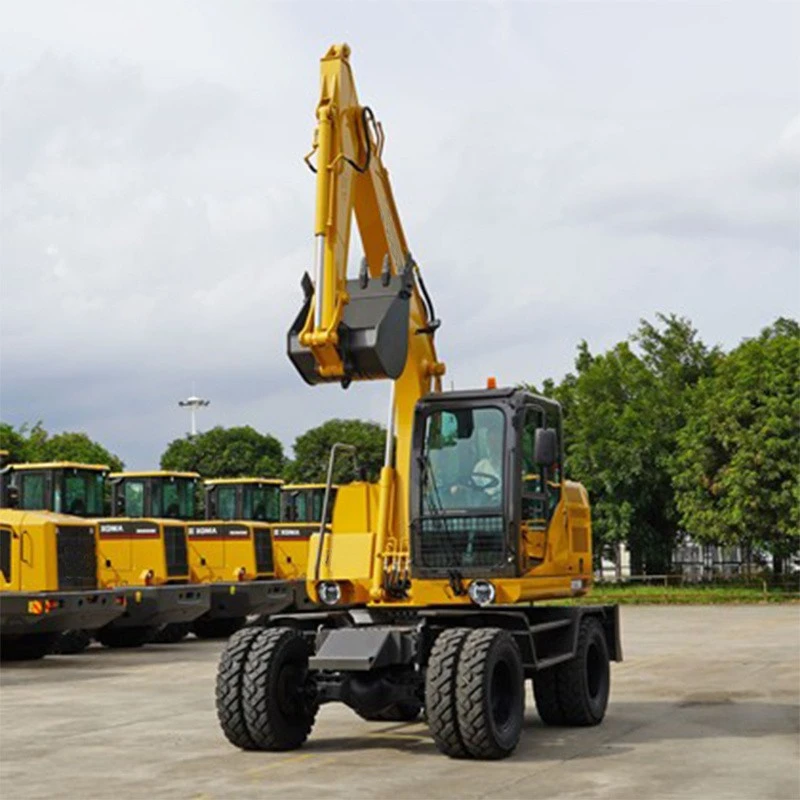
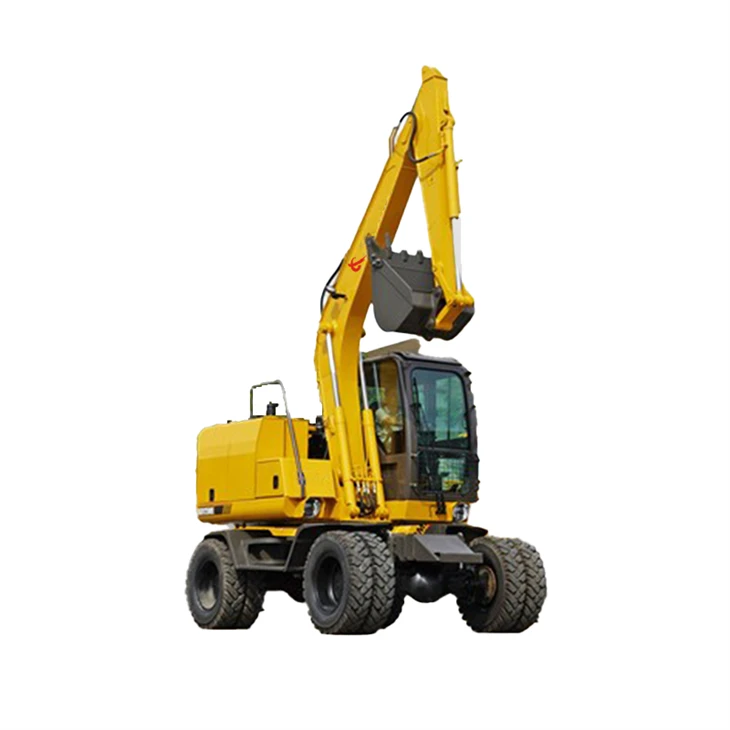
As a heavy - duty excavator supplier, we offer a wide range of high - quality hydraulic parts for all types of excavators. Whether you need a new pump, valve, or hose, we've got you covered. You can also check out our Digging Wheel Excavator, Wheel Excavator Digger, and Rubber Tire Mini Excavator models, which are equipped with top - notch hydraulic systems.
Regular Inspections
In addition to the daily checks, you should also conduct regular inspections of the hydraulic system. A thorough inspection can help you catch any potential problems before they turn into major issues. You can do a visual inspection of the components, looking for signs of wear, leaks, or damage. You can also use diagnostic tools to check the performance of the system.
During the inspection, pay special attention to the seals. Seals are used to prevent fluid from leaking out of the cylinders and other components. Over time, seals can wear out and start to leak. If you notice any leaks around the seals, replace them as soon as possible.
Maintaining the hydraulic system of a heavy - duty excavator is not rocket science, but it does require some effort and attention to detail. By following these tips, you can keep your excavator's hydraulic system running smoothly and extend its lifespan.
If you're in the market for a new heavy - duty excavator or need any hydraulic parts or maintenance services, don't hesitate to reach out. We're here to help you make the best choices for your construction needs. Let's keep those excavators digging!
References
- Manufacturer's operation and maintenance manuals for heavy - duty excavators.
- Industry best practices for hydraulic system maintenance in construction equipment.