


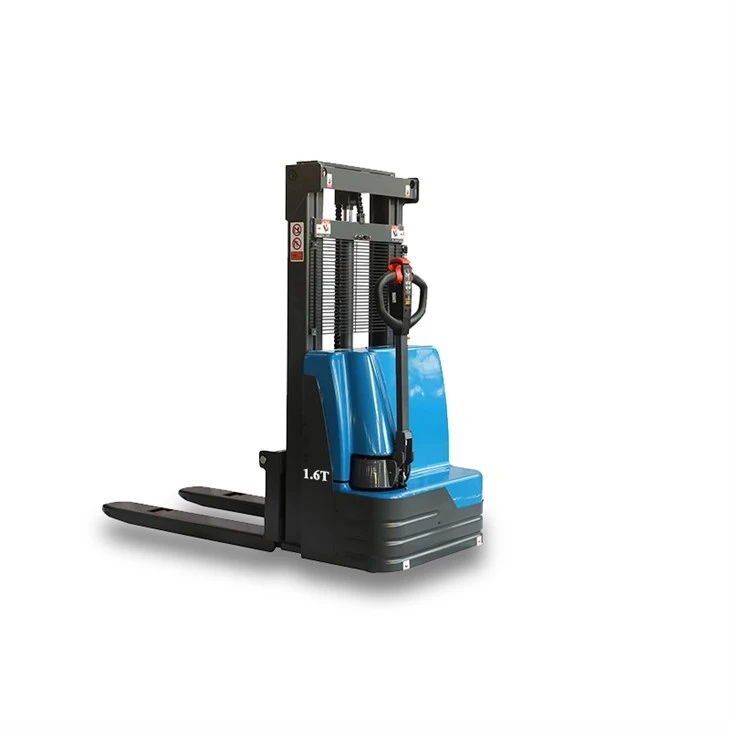
As a trusted supplier of Walking Pallet Stackers, I understand the critical importance of ensuring the proper inspection of the mast, a key component of these machines. The mast of a walking pallet stacker plays a vital role in lifting and lowering loads safely and efficiently. Regular inspections can prevent potential accidents, extend the lifespan of the equipment, and maintain optimal performance. In this blog, I will share a comprehensive guide on how to inspect the mast of a walking pallet stacker.
Pre - inspection Preparations
Before starting the inspection, it is essential to take some preparatory steps. First, ensure that the walking pallet stacker is parked on a flat, stable surface and the power is turned off. This will prevent any unexpected movement during the inspection. Gather the necessary tools, such as a flashlight, a measuring tape, and a wrench set. Also, put on appropriate personal protective equipment (PPE), including safety glasses and gloves.
Visual Inspection
The first step in inspecting the mast is a thorough visual examination. Start by checking the overall structure of the mast. Look for any signs of cracks, dents, or deformations. Cracks can weaken the mast's integrity and pose a significant safety risk. Dents may interfere with the smooth operation of the mast components. Pay close attention to the welds, as they are critical for holding the mast together. Any signs of weld failure, such as cracks or separation, should be addressed immediately.
Inspect the mast rails. The rails guide the forks and the carriage as they move up and down. They should be straight and free from damage. Check for any signs of wear, such as scoring or pitting on the rail surfaces. Worn rails can cause the forks to move unevenly, leading to unstable loads.
Examine the chains and cables that are used to lift and lower the mast. Look for signs of fraying, kinking, or excessive wear. Chains should be properly tensioned, and the links should move freely. Cables should be intact without any signs of breakage. If any issues are found with the chains or cables, they should be replaced promptly.
Hydraulic System Inspection
The hydraulic system is responsible for providing the power to lift and lower the mast. Start by checking the hydraulic fluid level. The fluid level should be within the recommended range indicated on the reservoir. Low fluid levels can cause the hydraulic pump to overheat and lead to poor performance.

Inspect the hydraulic hoses for any signs of leaks, cracks, or damage. Leaking hydraulic fluid can not only cause a mess but also reduce the system's efficiency. Look for any signs of fluid seepage around the hose connections. Tighten any loose connections, but if a hose is damaged, it should be replaced.
Check the hydraulic cylinders. The cylinders are responsible for extending and retracting the mast. Look for any signs of leakage around the cylinder seals. A leaking cylinder can cause the mast to drift down when it is supposed to be stationary. Also, check the cylinder rods for any signs of damage or corrosion.
Lubrication Inspection
Proper lubrication is essential for the smooth operation of the mast components. Check the lubrication points on the mast, such as the pivot points, rollers, and chains. The lubricant should be clean and at the appropriate level. If the lubricant is dirty or has dried out, it should be replaced.
Inspect the lubrication fittings to ensure they are not clogged. A clogged fitting can prevent the proper distribution of lubricant, leading to increased wear and tear on the components. Use a grease gun to apply fresh lubricant as needed.
Functionality Testing
After the visual and component inspections, it is time to test the functionality of the mast. Start by turning on the power to the walking pallet stacker. Slowly raise and lower the mast several times. Observe the movement of the mast. It should move smoothly without any jerks or unusual noises.
Check the speed of the mast movement. The lifting and lowering speeds should be consistent and within the specified range. If the mast moves too slowly or too quickly, it may indicate a problem with the hydraulic system or the control valves.
Test the fork tilt function. The forks should tilt forward and backward smoothly. Check for any signs of binding or resistance. If the fork tilt function is not working correctly, it can make it difficult to load and unload pallets safely.
Alignment and Clearance Checks
Proper alignment of the mast is crucial for the safe and efficient operation of the walking pallet stacker. Use a measuring tape to check the alignment of the mast with the frame of the stacker. The mast should be vertical and parallel to the sides of the stacker. Any misalignment can cause the forks to be off - center, leading to unstable loads.
Check the clearances between the mast components. There should be sufficient clearance between the chains, cables, and other moving parts to prevent interference. Also, check the clearance between the mast and the surrounding structures, such as the operator's platform or the battery compartment.
Documentation and Record - keeping
After completing the inspection, it is important to document the findings. Keep a detailed record of the inspection, including the date, the items inspected, and any issues found. This documentation can be used for future reference and to track the maintenance history of the walking pallet stacker. It can also be useful for compliance purposes and for demonstrating due diligence in maintaining the equipment.
Conclusion
Inspecting the mast of a walking pallet stacker is a critical task that should be performed regularly. By following the steps outlined in this guide, you can ensure the safety, reliability, and optimal performance of your walking pallet stacker. If you have any questions or need further assistance with mast inspection or any other aspects of walking pallet stacker maintenance, please feel free to contact us for more information. We are committed to providing high - quality Full Electric Pallet Stacker, Walk Behind Pallet Stacker, and Small Electric Pallet Stacker solutions and excellent customer service. Whether you are looking to purchase a new walking pallet stacker or need help with maintaining your existing equipment, we are here to support you. Contact us today to start a discussion about your specific requirements.
References
- OSHA (Occupational Safety and Health Administration) guidelines on forklift safety and maintenance.
- Manufacturer's manuals for walking pallet stackers.