


Hey there! As a stacker supplier, I've seen firsthand how crucial it is for businesses to boost the efficiency of their stackers. In today's fast - paced world, time is money, and a more efficient stacker can save a ton of both. So, let's dig into some practical ways to make your stacker work better.
1. Regular Maintenance
First things first, regular maintenance is the key. Just like your car needs an oil change and tune - up, stackers need proper care too. A well - maintained stacker runs smoother and has fewer breakdowns.
- Check the Hydraulic System: The hydraulic system is like the heart of the stacker. Make sure the hydraulic fluid is at the right level and is clean. Dirty fluid can cause the hydraulic pump to wear out faster and lead to poor lifting performance. You should check it at least once a week, and change the fluid according to the manufacturer's recommendations.
- Inspect the Forks and Mast: The forks are what carry the loads, and the mast is what lifts them. Look for any signs of damage, like cracks or bends. If the forks are not in good shape, they can't handle the load properly, which can slow down the stacking process. And a damaged mast might not lift the load smoothly or reach the desired height.
- Tire Maintenance: The tires play a big role in the stacker's mobility. Check the tire pressure regularly. Under - inflated tires can make the stacker harder to move and increase energy consumption. Also, look for any signs of excessive wear or damage. Worn - out tires can cause the stacker to slip, which is not only inefficient but also dangerous.
2. Operator Training
Even the best stacker won't perform well if the operator doesn't know how to use it correctly. Proper training can make a huge difference in efficiency.
- Basic Operation Skills: Operators should be trained on how to start, stop, and maneuver the stacker safely. They need to know how to use the controls for lifting, lowering, and tilting the forks. For example, using the controls smoothly can prevent sudden jolts, which can damage the load and waste time.
- Load Handling Techniques: Knowing how to load and unload the stacker properly is crucial. Operators should place the load evenly on the forks to avoid imbalances. An unbalanced load can make the stacker unstable and cause it to tip over, which is a major safety hazard and can also lead to costly downtime.
- Safety Procedures: Safety is always a top priority. Operators should be trained on safety procedures, like wearing the right safety gear, following traffic rules in the warehouse, and keeping a safe distance from other equipment. A safe operator is a more efficient operator because they won't be distracted by safety concerns.
3. Upgrade to Modern Stackers
If your stacker is old and outdated, it might be time to consider an upgrade. Modern stackers come with advanced features that can significantly improve efficiency.
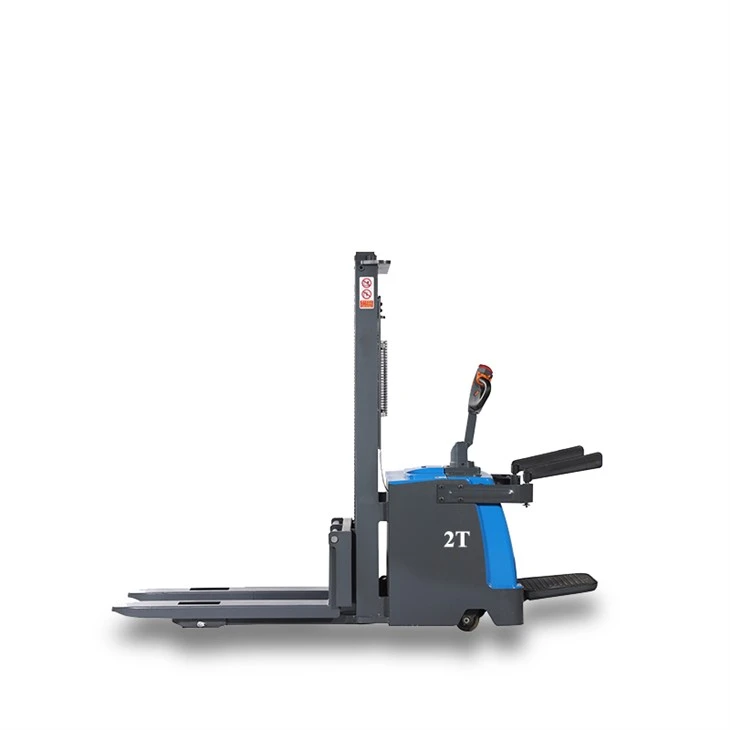
- Electric Stackers: Electric stackers are a great option. They are quieter, more environmentally friendly, and often more energy - efficient than their diesel or gas - powered counterparts. For example, our Electric Pallet Jack Stacker is a popular choice. It's easy to operate and can handle a variety of loads, making it a versatile addition to any warehouse.
- High - Capacity Stackers: If you deal with heavy loads, a high - capacity stacker might be the way to go. Our 1.5 Ton Electric Stacker Truck can handle heavier loads with ease, reducing the number of trips needed to move large quantities of goods.
- Compact Stackers: In warehouses with limited space, a compact stacker can be a game - changer. Our 1 Ton Double Column Mini Electric Stacker Truck is designed to fit into tight spaces while still providing the necessary lifting power.
4. Warehouse Layout Optimization
The layout of your warehouse can also affect the stacker's efficiency. A well - designed warehouse can reduce the distance the stacker has to travel and make the stacking process more streamlined.

- Clear Aisles: Make sure the aisles in your warehouse are wide enough for the stacker to move freely. Narrow aisles can slow down the stacker and increase the risk of collisions. Also, keep the aisles clear of any obstacles.
- Proper Storage Zones: Organize your storage zones based on the frequency of access. Place the most commonly used items in easily accessible areas. This way, the stacker doesn't have to travel long distances to pick up or drop off items.
- Dock and Loading Area Design: The dock and loading area should be designed to allow for quick and easy loading and unloading. Make sure the ramp is at the right angle and the area is well - lit. This can speed up the process of getting the goods in and out of the warehouse.
5. Use of Technology
Technology can be a great ally in improving stacker efficiency.
- Automation: Automated stackers can perform repetitive tasks with high precision and speed. They can be programmed to move loads to specific locations, reducing the need for manual operation. This not only saves time but also reduces the risk of human error.
- Inventory Management Systems: An inventory management system can help you keep track of your stock levels and the location of each item. This information can be used to optimize the stacker's routes and ensure that the right items are picked up and stored in the right places.
- Telemetry: Some stackers come with telemetry systems that can monitor the stacker's performance, such as its speed, fuel consumption, and maintenance needs. This data can be used to identify areas for improvement and schedule maintenance proactively.
6. Load Planning
Proper load planning can make the stacker's job much easier and more efficient.
- Load Sizing: Make sure the loads are sized appropriately for the stacker. Overloading the stacker can not only damage the equipment but also slow down the lifting and moving process. On the other hand, under - utilizing the stacker's capacity means more trips are needed to move the same amount of goods.
- Load Arrangement: Arrange the loads in a way that maximizes the use of the stacker's lifting capacity. For example, stack the loads evenly on the forks to ensure balance. And try to group similar loads together to reduce the time spent on sorting.
Conclusion
Improving the efficiency of a stacker is a multi - faceted process that involves regular maintenance, operator training, upgrading equipment, optimizing the warehouse layout, using technology, and proper load planning. By implementing these strategies, you can make your stacker work better, save time and money, and improve your overall business operations.
If you're interested in learning more about how our stackers can help you achieve these efficiency goals or if you're looking to purchase a new stacker, feel free to reach out. We're here to help you find the best solutions for your business.
References
- Material Handling Equipment Handbook
- Warehouse Operations Management Guides