


Hey there! As a supplier of pallet trucks, I've seen firsthand how crucial it is to ensure the stability of these workhorses when they're carrying heavy loads. Whether you're in a bustling warehouse, a busy distribution center, or a manufacturing plant, a stable pallet truck can make all the difference in terms of safety, efficiency, and productivity. So, let's dive into some key tips on how to keep your pallet truck steady under pressure.
1. Choose the Right Pallet Truck for the Job
First things first, you've got to pick the right pallet truck for the load you're handling. Not all pallet trucks are created equal, and using the wrong one can lead to instability and potential accidents. For instance, if you're dealing with really heavy loads, you'll want to consider a high-capacity model like our 7 Ton Large Tonnage Pallet Truck. This bad boy is built to handle the toughest jobs, with a robust frame and powerful lifting mechanism that can keep things stable even under a massive load.
On the other hand, if you're looking for something more maneuverable for lighter loads, our Electric Walk Behind Pallet Jack might be the perfect fit. It's easy to operate and can zip around tight spaces with ease, all while maintaining a good level of stability. And for those medium-sized loads, our 1.5 Ton Electric Transporter offers a great balance of capacity and agility.
2. Check the Pallet and Load
Before you start lifting, take a good look at the pallet and the load it's carrying. Make sure the pallet is in good condition, without any broken boards or loose nails that could cause it to shift during transport. The load should be evenly distributed on the pallet, with the center of gravity as close to the center of the pallet as possible. If the load is uneven, it can throw off the balance of the pallet truck and make it more likely to tip over.
Also, check for any overhanging or unstable items on the load. You don't want anything sticking out that could catch on something or fall off while you're moving. If necessary, secure the load with straps or shrink wrap to keep it in place.
3. Inspect the Pallet Truck
A well-maintained pallet truck is a stable pallet truck. Before each use, give your pallet truck a quick once-over to make sure everything is in working order. Check the wheels for any signs of damage or excessive wear, as worn-out wheels can affect the stability and maneuverability of the truck. Make sure the forks are straight and not bent, and that the lifting mechanism is functioning properly.
If you notice any problems during your inspection, don't use the pallet truck until it's been repaired. Trying to work with a faulty pallet truck is a recipe for disaster and can put you and your colleagues at risk.
4. Use Proper Lifting Techniques
When it comes to lifting a heavy load with a pallet truck, using the right techniques is essential for stability. Start by positioning the forks of the pallet truck under the pallet as far as they can go. This will provide a wider base of support and help distribute the weight evenly.
Then, slowly lift the load using the lifting mechanism of the pallet truck. Don't rush the process, and make sure the load is lifted smoothly and evenly. Avoid jerky movements, as these can cause the load to shift and throw off the balance of the truck.
Once the load is lifted to the desired height, lower the forks slightly so that the load is resting firmly on the forks. This will help prevent the load from sliding off during transport.
5. Drive with Caution
Now that you've got your load safely on the pallet truck, it's time to start moving. But remember, driving a pallet truck with a heavy load is not like driving a regular vehicle. You need to take it slow and be extra cautious.
Keep your speed down, especially when turning or going over uneven surfaces. A sudden change in speed or direction can cause the load to shift and make the pallet truck unstable. When turning, make wide, gentle turns to avoid putting too much pressure on one side of the truck.
Also, be aware of your surroundings and watch out for any obstacles or hazards. Give yourself plenty of space to maneuver, and avoid driving too close to other vehicles or people.
6. Train Your Operators
Even the best pallet truck in the world won't be stable if it's being operated by someone who doesn't know what they're doing. That's why it's so important to provide proper training to your pallet truck operators.
Make sure your operators are familiar with the specific model of pallet truck they'll be using, and that they understand how to use it safely and effectively. Train them on proper lifting techniques, driving procedures, and how to perform pre-use inspections.
Regularly refresh their training to keep their skills up to date and ensure they're following the latest safety guidelines. A well-trained operator is more likely to operate the pallet truck in a way that keeps it stable and reduces the risk of accidents.
7. Consider Additional Safety Features
Some pallet trucks come with additional safety features that can help improve stability when carrying heavy loads. For example, some models have anti-tip devices or stability control systems that can automatically adjust the balance of the truck to prevent tipping.
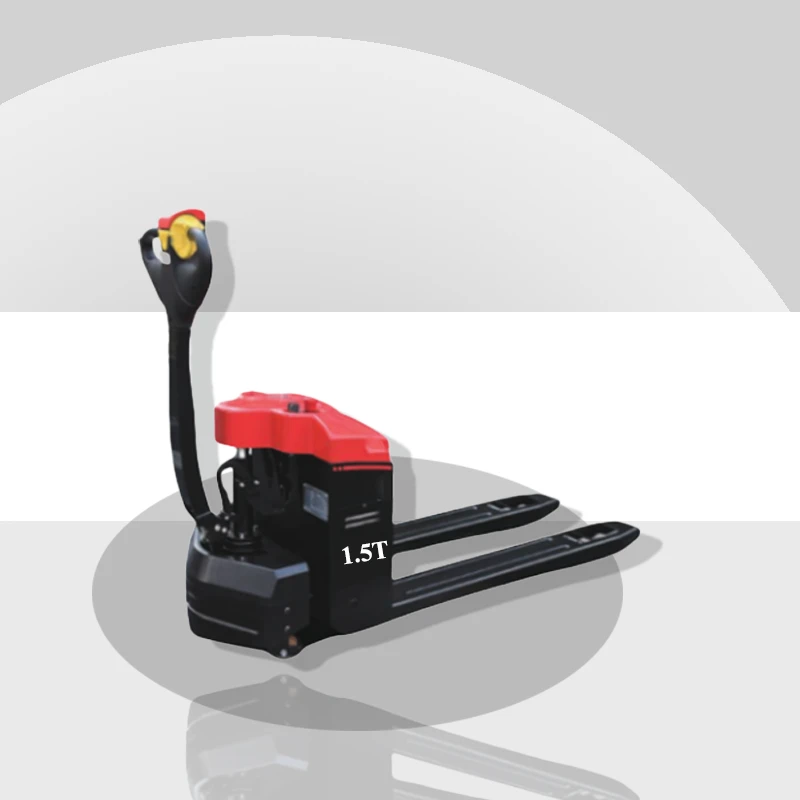

If you're in the market for a new pallet truck, look for these types of features and consider investing in a model that offers them. While they may add a bit to the cost, they can provide an extra layer of protection and peace of mind.
8. Maintain a Clean and Organized Workspace
A cluttered and dirty workspace can make it more difficult to operate a pallet truck safely and stably. Make sure your warehouse or work area is clean and free of debris, and that the aisles are wide enough to allow for easy maneuvering of the pallet truck.
Keep the floors in good condition, and repair any cracks or uneven surfaces as soon as possible. A smooth, level surface will help the pallet truck roll more easily and reduce the risk of instability.
9. Monitor and Evaluate
Finally, it's important to monitor and evaluate the performance of your pallet trucks on an ongoing basis. Keep track of any incidents or near misses involving the pallet trucks, and analyze the data to identify any trends or areas for improvement.
If you notice that a particular pallet truck is consistently having stability issues, it may be time to replace it or have it inspected by a professional. Regularly review your safety procedures and training programs to make sure they're still effective and up to date.
In conclusion, ensuring the stability of a pallet truck when carrying a heavy load is all about taking the right precautions and using common sense. By choosing the right pallet truck, checking the load and the truck, using proper lifting and driving techniques, and maintaining a safe work environment, you can minimize the risk of accidents and keep your operations running smoothly.
If you're in the market for a new pallet truck or have any questions about ensuring the stability of your existing pallet trucks, don't hesitate to reach out to us. We're here to help you find the right solutions for your business and ensure the safety and efficiency of your operations. Let's start a conversation and see how we can work together to meet your needs.
References
- OSHA (Occupational Safety and Health Administration) guidelines on powered industrial trucks
- Manufacturer's manuals and specifications for pallet trucks