


As a seasoned supplier of Electric Stacker Trucks, I understand the importance of maintaining and adjusting these machines to ensure optimal performance. One critical aspect that often requires attention is the fork tilt angle of an electric stacker truck. In this blog post, I'll guide you through the process of adjusting the fork tilt angle, offering practical steps and essential tips to keep your equipment in top - notch condition.
Understanding the Fork Tilt Angle
The fork tilt angle of an electric stacker truck plays a crucial role in its operation. It allows the operator to adjust the position of the forks to pick up, transport, and deposit loads safely and efficiently. A proper fork tilt angle helps prevent the load from slipping off the forks during movement, especially when traveling on uneven surfaces or when lifting and lowering the load.
There are two main types of fork tilt: forward tilt and backward tilt. Forward tilt is used when picking up a load from the ground or a low - lying surface. It allows the forks to slide under the load easily. Backward tilt, on the other hand, is used when carrying the load to ensure stability and prevent the load from falling forward.
Tools and Equipment Needed
Before you start adjusting the fork tilt angle, you'll need to gather the necessary tools and equipment. Here's a list of what you'll typically require:
- Wrenches: A set of wrenches in various sizes will be needed to loosen and tighten the bolts and nuts that hold the tilt mechanism in place.
- Measuring Tools: A protractor or an angle gauge can be used to measure the fork tilt angle accurately. This ensures that you achieve the desired angle for optimal performance.
- Safety Gear: Always wear appropriate safety gear, such as safety glasses, gloves, and steel - toed boots, to protect yourself during the adjustment process.
Step - by - Step Guide to Adjusting the Fork Tilt Angle
Step 1: Preparation
- Park the electric stacker truck on a flat, level surface and turn off the power. This ensures your safety and prevents any accidental movement of the machine during the adjustment process.
- Lower the forks to the ground to relieve any pressure on the tilt mechanism.
- Inspect the tilt mechanism for any signs of damage, such as loose bolts, worn - out parts, or hydraulic leaks. If you notice any issues, address them before proceeding with the adjustment.
Step 2: Loosen the Tilt Mechanism
- Locate the bolts or nuts that hold the tilt cylinder or the tilt linkage in place. Use the appropriate wrench to loosen these fasteners. Be careful not to remove them completely; just loosen them enough to allow for adjustment.
- If your electric stacker truck has a hydraulic tilt system, you may need to relieve the hydraulic pressure before loosening the fittings. Refer to the manufacturer's manual for specific instructions on how to do this.
Step 3: Measure the Current Fork Tilt Angle
- Use a protractor or an angle gauge to measure the current fork tilt angle. Place the measuring tool on the forks and align it with the horizontal or vertical reference point, depending on the type of measurement you're taking.
- Record the current angle for reference. This will help you determine how much adjustment is needed.
Step 4: Adjust the Fork Tilt Angle
- Depending on whether you need to increase or decrease the tilt angle, you can either extend or retract the tilt cylinder or adjust the length of the tilt linkage.
- If you're using a hydraulic tilt system, you can use the hydraulic control valve to extend or retract the tilt cylinder. Make small adjustments at a time and re - measure the angle after each adjustment.
- If you're adjusting the tilt linkage, you may need to loosen the nuts on the linkage and move the adjustable rod to change the length of the linkage. Once you've made the adjustment, tighten the nuts to secure the linkage in place.
Step 5: Re - measure and Fine - Tune
- After making the initial adjustment, re - measure the fork tilt angle using the protractor or angle gauge. Compare the new angle with the desired angle specified in the manufacturer's manual.
- If the angle is not within the acceptable range, make further adjustments as needed. Continue to fine - tune the angle until it meets the recommended specifications.
Step 6: Tighten the Tilt Mechanism
- Once you've achieved the desired fork tilt angle, use the wrenches to tighten the bolts or nuts that hold the tilt cylinder or the tilt linkage in place. Make sure they are tightened securely to prevent any movement during operation.
- If you relieved the hydraulic pressure earlier, restore it according to the manufacturer's instructions.
Step 7: Test the Fork Tilt
- Turn on the power of the electric stacker truck and test the fork tilt function. Slowly tilt the forks forward and backward to ensure that they move smoothly and that the angle is consistent.
- Check for any abnormal noises, vibrations, or resistance during the tilt operation. If you notice any issues, stop the operation immediately and re - check the adjustment.
Tips for Maintaining the Fork Tilt Angle
- Regular Inspections: Conduct regular inspections of the fork tilt mechanism to check for any signs of wear and tear, loose bolts, or hydraulic leaks. This helps prevent major problems and ensures the safety and efficiency of the electric stacker truck.
- Lubrication: Keep the moving parts of the tilt mechanism properly lubricated to reduce friction and wear. Refer to the manufacturer's manual for the recommended lubricants and lubrication intervals.
- Operator Training: Ensure that all operators are trained on the proper use and adjustment of the fork tilt angle. This helps prevent improper use that can lead to premature wear and damage to the tilt mechanism.
Our Electric Stacker Truck Offerings
At our company, we offer a wide range of high - quality electric stacker trucks, including Electric Pallet Forklift, 1.5 Ton Electric Stacker Truck, and Electric Stacker Pallet Jack. Our products are designed to meet the diverse needs of our customers, providing reliable performance and long - lasting durability.
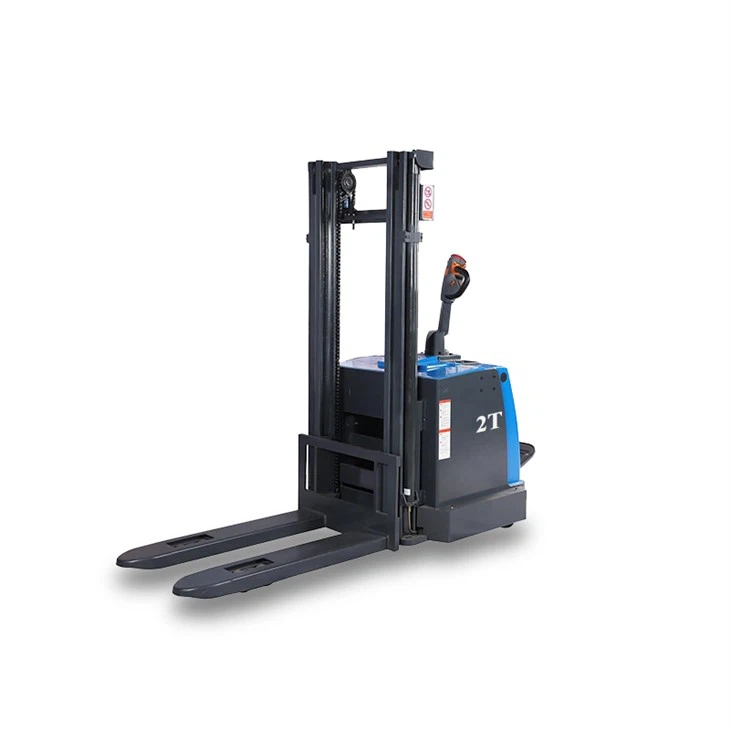

If you're in the market for an electric stacker truck or need assistance with adjusting the fork tilt angle of your existing equipment, we're here to help. Our team of experts can provide you with professional advice and support to ensure that you get the most out of your electric stacker truck.
Conclusion
Adjusting the fork tilt angle of an electric stacker truck is a relatively straightforward process if you follow the proper steps and use the right tools. By maintaining the correct fork tilt angle, you can improve the safety and efficiency of your material handling operations. If you have any questions or need further assistance, don't hesitate to contact us. We're committed to providing you with the best products and services to meet your needs.
References
- Manufacturer's manuals of electric stacker trucks
- Industry standards and guidelines for material handling equipment