


Hey there! I'm a supplier of Wheel Excavator Diggers, and I've seen firsthand how different attachments can really change the game when it comes to these machines' performance. In this blog, I'm gonna break down how various attachments can transform the capabilities of a wheel excavator digger.
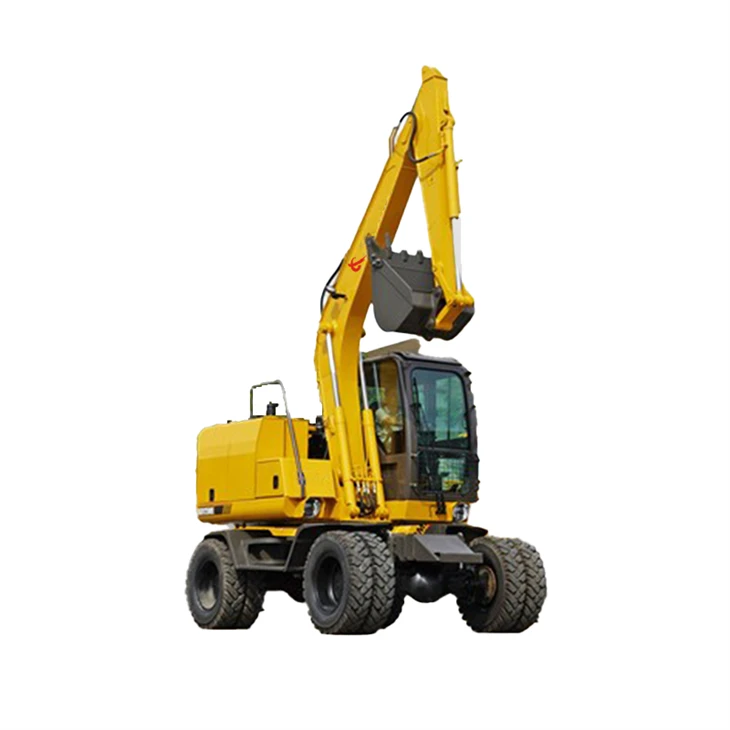
Let's start with the basics. A Wheel Excavator Digger is a versatile piece of equipment. It's got that mobility on wheels, which makes it great for moving around job sites quickly. But its real power lies in the attachments you can slap on it.
Bucket Attachments
The most common attachment for a wheel excavator digger is the bucket. Buckets come in different shapes and sizes, and each one is designed for a specific task.
General - Purpose Buckets
These are your go - to buckets for most digging jobs. They're great for moving loose materials like soil, sand, and gravel. A general - purpose bucket has a standard shape with a smooth cutting edge. It can dig into the ground easily and hold a decent amount of material. With a general - purpose bucket, your wheel excavator digger can handle basic excavation work on a construction site, like digging foundations or trenches.
Heavy - Duty Buckets
Now, if you're dealing with tougher materials like rocks or compacted soil, a Heavy Duty Excavator bucket is what you need. These buckets are built with thicker steel and stronger teeth. The teeth on a heavy - duty bucket are designed to break through hard surfaces. When you attach a heavy - duty bucket to your wheel excavator digger, the machine's digging force is put to better use. It can break up large chunks of rock and move them more efficiently.
Skeleton Buckets
Skeleton buckets are a bit different. They have a grid - like structure instead of a solid base. This makes them perfect for sifting through materials. For example, if you're working on a site where you need to separate rocks from soil, a skeleton bucket can do the job. Your wheel excavator digger can scoop up a mixture of materials, and the soil will fall through the gaps in the bucket, leaving the rocks behind.
Hydraulic Hammer Attachments
Hydraulic hammers are another game - changer for wheel excavator diggers. These attachments are used for breaking up hard surfaces like concrete and rock. When you attach a hydraulic hammer to your wheel excavator digger, it turns the machine into a demolition powerhouse.
The hydraulic hammer works by using high - pressure hydraulic fluid to drive a piston. The piston then strikes a chisel - like tool, which breaks up the surface. The performance of your wheel excavator digger with a hydraulic hammer depends on the size and power of the hammer. A larger, more powerful hammer can break through thicker concrete and larger rocks. But you also need to make sure your wheel excavator digger can handle the weight and power requirements of the hammer.

Auger Attachments
Auger attachments are used for drilling holes. They're commonly used in construction for tasks like installing fence posts or creating holes for foundation piles. When you attach an auger to your wheel excavator digger, the machine can quickly and efficiently drill holes of different diameters.
The performance of the wheel excavator digger with an auger attachment depends on the size and type of the auger. A larger - diameter auger can drill bigger holes, but it also requires more power. Some augers are designed for drilling in soft soil, while others are made for harder ground. You need to choose the right auger for the job to get the best performance from your wheel excavator digger.
Grapple Attachments
Grapple attachments are great for handling and moving large, irregularly - shaped objects. They can be used to pick up logs, debris, and even scrap metal. When you attach a grapple to your wheel excavator digger, the machine gains the ability to grab and hold onto objects securely.
There are different types of grapples, such as hydraulic grapples and mechanical grapples. Hydraulic grapples offer more control and can apply more force, making them better for heavy - duty tasks. With a grapple attachment, your wheel excavator digger can clean up a job site quickly by grabbing and moving large pieces of debris.
Impact on Performance Metrics
Let's talk about how these attachments affect the performance metrics of a wheel excavator digger.
Digging Force
The type of attachment can significantly impact the digging force of the machine. For example, a heavy - duty bucket or a hydraulic hammer can increase the effective digging force. The heavy - duty bucket's strong teeth and thick steel construction allow it to penetrate harder materials, while the hydraulic hammer uses its powerful piston strikes to break up tough surfaces. On the other hand, a skeleton bucket or an auger attachment doesn't really increase the digging force in the traditional sense but changes the way the machine interacts with the material.
Lifting Capacity
When you attach a heavy attachment like a large - diameter auger or a heavy - duty grapple, the lifting capacity of your wheel excavator digger comes into play. You need to make sure that the machine can lift the attachment along with the material it's handling. If you overload the machine, it can affect its stability and performance.
Mobility
Some attachments can also affect the mobility of the wheel excavator digger. For example, a large hydraulic hammer or a wide - bodied grapple can make the machine a bit more cumbersome to move around. You need to be more careful when maneuvering the machine with these attachments to avoid hitting obstacles on the job site.
Choosing the Right Attachment
Choosing the right attachment for your wheel excavator digger is crucial. You need to consider the type of job you're doing, the materials you'll be working with, and the capabilities of your machine.
If you're mainly doing basic excavation work, a general - purpose bucket might be all you need. But if you're dealing with demolition or drilling tasks, you'll need to invest in a hydraulic hammer or an auger attachment. And if you're working on a site where you need to handle large objects, a grapple attachment is a great choice.
As a supplier of Digging Wheel Excavator machines, I can help you choose the right attachment for your specific needs. Whether you're a small construction company or a large contractor, having the right attachment can make your wheel excavator digger more efficient and productive.
If you're interested in learning more about our wheel excavator diggers and the various attachments we offer, or if you're ready to start a procurement discussion, don't hesitate to reach out. We're here to help you get the most out of your equipment and make your job easier.
References
- Construction Equipment Handbook
- Hydraulic Attachment Manuals
- Wheel Excavator Manufacturer's Guides